India’s Cardiovascular Monitoring Devices Market Projected to Touch $153Mn by 2036 Amid AI-Led Shift
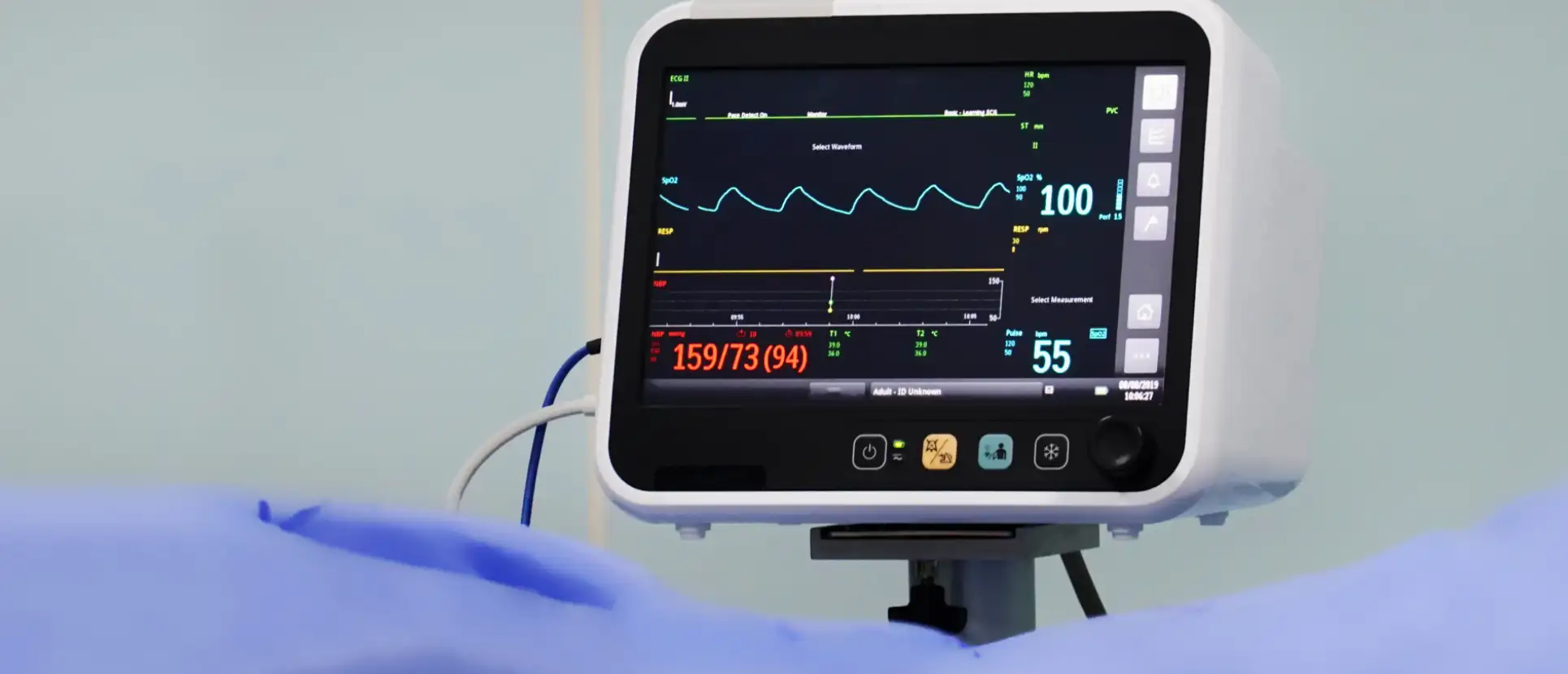
As India continues to invest in digital health infrastructure, experts note that wider integration of AI tools and AI chatbot-enabled platforms into cardiovascular care could improve access, standardise monitoring and support earlier intervention.
India’s cardiovascular monitoring devices market has been projected to expand steadily and reach $153m by 2036, reflecting a structural shift towards technology-enabled cardiac care and long-term monitoring solutions.
The market currently accounts for about 7% of the Asia-Pacific cardiovascular monitoring devices segment in 2025, according to a recent GlobalData report.
The forecast highlights how rising cardiovascular disease prevalence, combined with demand for continuous and remote monitoring, has been reshaping India’s cardiac diagnostics landscape.
Increasing use of AI tools, AI chatbots and AI-enabled wearable devices has strengthened early detection, data-driven decision-making and patient engagement, particularly in urban and semi-urban healthcare settings. These trends have positioned cardiovascular monitoring as a key growth segment within India’s broader digital health ecosystem.
Cardiovascular diseases remain the leading cause of mortality in India, accounting for nearly one in four deaths, as per estimates from the Indian Council of Medical Research and the World Health Organization.
Sedentary lifestyles, dietary changes, diabetes, and hypertension have contributed to a growing at-risk population, creating sustained demand for diagnostic and monitoring solutions that go beyond episodic hospital visits.
Against this backdrop, continuous monitoring devices, including Holter monitors, ECG systems and wearable sensors, have gained prominence.
According to GlobalData, manufacturers are increasingly focusing on smart, patient-friendly devices that combine clinical accuracy with ease of use in both hospital and home-care environments.
Integration of AI tools and AI chatbot-supported platforms has enabled automated alerts, real-time analytics and remote clinician support, reducing dependence on frequent in-person consultations.
“AI-driven monitoring platforms are prompting sustained investment in India’s cardiac diagnostics space,” said Sarvesh Kumar, Medical Devices Analyst at GlobalData. The growing role of AI chatbots in patient triage, symptom tracking and follow-up care has further reinforced interest from device manufacturers, healthcare providers and private diagnostic networks.
Despite the positive outlook, the report flags several constraints that could temper market expansion. Limited availability of trained cardiac specialists in rural and underserved regions continues to restrict adoption, even as AI tools aim to bridge skill gaps.
Inconsistent reimbursement coverage for advanced monitoring devices, particularly under public insurance schemes, and high upfront deployment costs for smaller healthcare facilities remain significant barriers.
“Growth opportunities may be unlocked through better reimbursement support, increased participation from private diagnostic networks, and workforce development programmes that strengthen cardiac screening capabilities,” Kumar added.
As India continues to invest in digital health infrastructure, experts note that wider integration of AI tools and AI chatbot-enabled platforms into cardiovascular care could improve access, standardise monitoring and support earlier intervention.
Stay tuned for more such updates on Digital Health News
Follow us