India Logs First Two-way Tele-robotic Surgeries Between Narayana Medical College & GSL Medical College
The procedures included gallbladder removal and hernia repair, carried out on April 25 and 26 through a real-time robotic link.
India has recorded its first bi-directional live remote robotic surgeries, with Narayana Medical College Hospital in Nellore and GSL Medical College Hospital in Rajamahendravaram, AP, performing procedures on patients in each other’s facilities through real-time robotic connectivity.
The procedures were carried out on April 25 and 26 through a real-time robotic link established between Nellore and Rajamahendravaram. In one instance, surgeons at Narayana Medical College Hospital operated on a patient admitted to GSL Medical College Hospital.
In a parallel procedure, surgeons in Rajamahendravaram performed surgery on a patient in Nellore, completing what is being described as India’s first two-way tele-robotic surgical exchange between medical college hospitals.
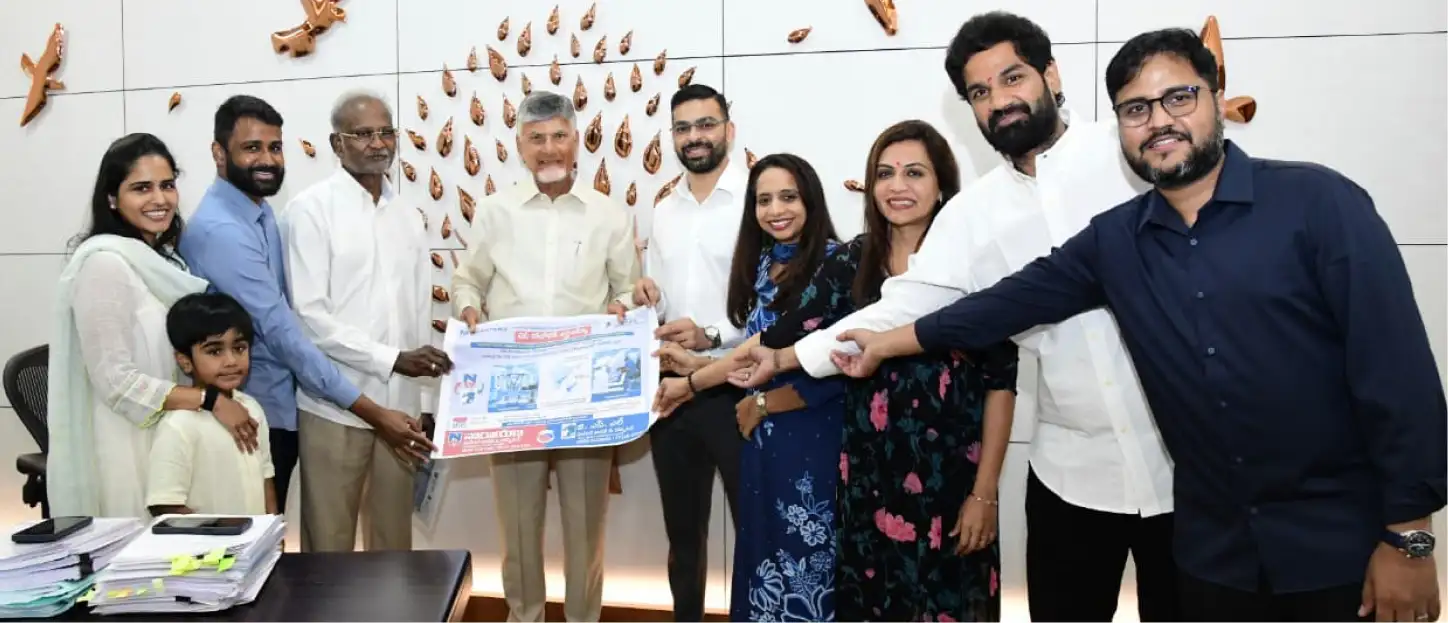
Chief Minister Chandrababu Naidu, acknowledging the achievement, stated that medical services will become more accessible when technology is effectively integrated into healthcare systems.
According to Dr P Srinivasulu Reddy, Dean of Narayana Medical College Hospital, the surgeries were executed successfully without complications, underscoring the reliability of synchronised robotic systems and stable connectivity.
The procedures included gallbladder removal and hernia repair, with doctors noting that while the duration was slightly longer than conventional surgeries, this was largely due to initial setup and coordination between the two sites.
“The surgeries were completed without complications, demonstrating the effectiveness of high-precision robotic systems supported by stable high-speed internet connectivity”, said the doctors.
Medical teams were present at both locations to monitor patients and manage intraoperative requirements, ensuring safety alongside technological execution.
Experts involved in the initiative emphasised that with repeated use and optimisation, procedure times are expected to align more closely with standard robotic surgeries.
Stay tuned for more such updates on Digital Health News
Follow us