The Future of Virtual Hospitals in India: A New Era of Care
India's healthcare is transitioning from experimental telemedicine pilots to mature virtual hospital models driven by digital public infrastructure (DPI) and large hospital initiatives, fundamentally altering how care is delivered, monitored, and managed across the nation. Moving beyond simple video consultations, providers are using data-driven solutions such as "virtual wards" or remote clinical workflows that improve patient outcomes while optimizing hospital resources.
Widespread 5G rollout and affordable IoT devices are accelerating virtual hospital adoption, enabling high-fidelity remote surgeries and continuous vital sign tracking in underserved areas. Startups like Practo and MFine partner with public systems to scale these, creating ecosystems where edge computing processes data locally for instant clinician alerts.
Patient engagement surges through gamified apps and voice-enabled bots in regional languages, boosting adherence to chronic care plans by 25-50% in pilots. This democratization extends specialist expertise to Tier-2/3 cities, fostering equity in post-surgical recovery and mental health support.
The Digital Infrastructure Backbone
India's virtual hospital model rests upon Ayushman Bharat Digital Mission (ABDM), which has brought over 350 million health records into one digital ecosystem and ensures a seamless flow of patient data between remote diagnostics and clinical decision-making centers.
One example of the scale at which this works is the eSanjeevani platform, which has enabled millions of consultations by linking rural health centers directly with specialists. Unlike traditional models that require physical travel, this hub-and-spoke configuration demonstrates how virtual hospitals can serve as lifelines for India's rural population, which currently lacks comprehensive outpatient facility access.
Looking ahead, private investments exceeding $2 billion in healthtech startups are fueling AI-enhanced virtual ICUs and blockchain-secured data sharing, positioning India to export these models to Southeast Asia by 2030.
Hospital-Led Virtualization
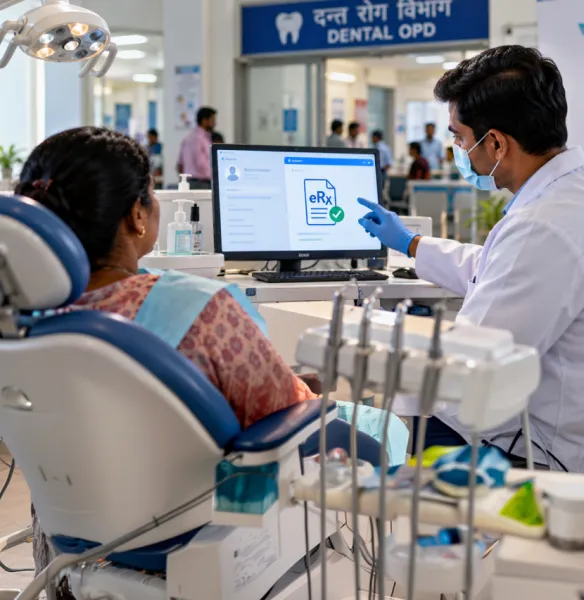
Leading hospital chains treat virtualization as an operational necessity. Manipal Hospitals uses cloud-based ePharmacy and nurse handoff solutions on ABDM infrastructure. These tools bridge prescription fulfillment and medication handoff, reducing logistical delays and optimizing recovery workflows across patient locations.
Apollo Hospitals applies AI-powered diagnostics for remote screening and risk prediction. In collaboration with the Meghalaya Government, their tele-oncology networks decentralize cancer care services. This model sustains high-acuity standards for oncology and critical care, previously reliant on physical hospital presence.
Narayana Health deploys virtual ward platforms for cardiac monitoring, integrating wearable ECG data with central dashboards. This setup supports post-discharge surveillance for over 10,000 patients annually, minimizing readmissions through automated alerts to on-site clinicians.
Evidence-Based Impact & Patient Outcomes
Practical research underscores the tangible advantages of virtual models. Systematic reviews of telehealth interventions in India indicate significant cost reductions for patients seeking frequent consultations for chronic conditions. Remote vitals monitoring from blood pressure management to post-op follow-up appointments minimizes readmission rates, an indicator used by hospital administrators as they measure virtual care investments' efficacy.
Practitioners acknowledge that success depends heavily on closing the "digital literacy gap." Studies conducted in regions like Rajasthan have illustrated this point; although telemedicine technology may be robust, its actual efficacy depends on local infrastructure and training frontline health workers in using its interface effectively.
Therefore, hybrid models incorporating physical health kiosks as touchpoints for virtual consultations with off-site specialists appear increasingly likely for virtual hospitals across India.
The Road Ahead
Virtual hospitals in India have taken an exciting leap with the integration of AI for predictive analytics to provide proactive care rather than reactive. Transitioning into data-centric entities, Indian hospitals are moving closer toward becoming ubiquitous services at any point of need rather than destinations for care. With both public and private sectors coming together on shared digital health standards, the virtual hospital model stands poised to revolutionize healthcare equity across India.
Stay tuned for more such updates on Digital Health News
Follow us