IIT Patna Develops AI-based Wearable Device for Early Dementia Detection
By leveraging AI-driven analytics, the device seeks to identify subtle patterns that may indicate the onset of dementia at an early stage, which otherwise remain unnoticed.
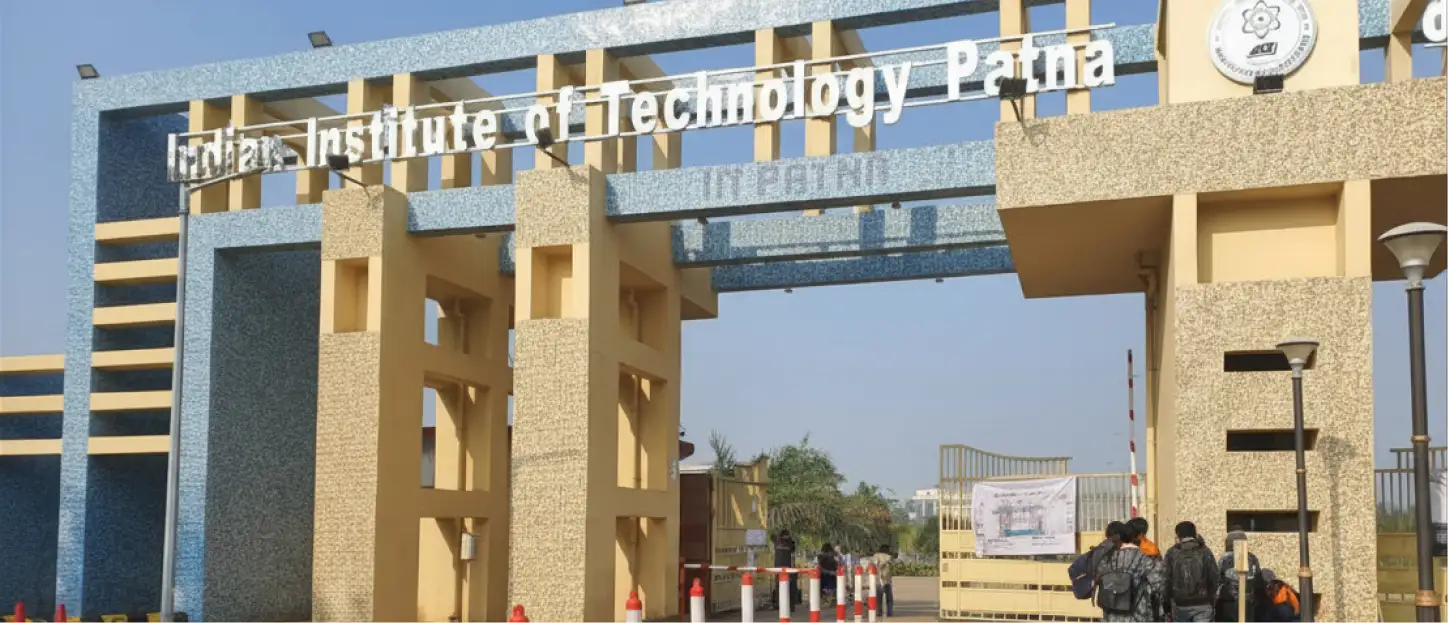
Researchers at the Indian Institute of Technology Patna (IIT Patna) have developed an AI-based wearable device designed to detect early signs of Dementia in elderly individuals.
The wearable system is aimed at supporting early diagnosis by continuously monitoring physiological and behavioural indicators associated with cognitive decline.
By leveraging AI-driven analytics, the device seeks to identify subtle patterns that may indicate the onset of dementia at an early stage, which otherwise remain unnoticed.
The research team is led by Rahul Mishra from the Department of Computer Science and Engineering. Other team members include Ashutosh Kumar Sinha, Akash Sinha, and Prakhar Shukla.
The project is being supported by the I-DAPT Hub Foundation at Banaras Hindu University.
According to the research, the system features TinyML technology, which is designed to process data directly on low-power hardware without a constant cloud connection.
This approach is expected to reduce dependence on cloud-based infrastructure while also lowering operational costs and energy consumption.
The TinyML framework is intended to minimise memory usage and accelerate data processing, making the system suitable for continuous real-time monitoring.
In addition to the wearable system, the research team is also working on another AI-based system that analyses walking patterns to detect early signs of dementia.
The proposed system will study gait, balance, stride length, and movement stability, all of which are often affected during the early stages of neurological disorders.
The initiative aims to make dementia screening more accessible, particularly in regions with limited medical infrastructure.
Commenting on the initiative, Mishra said, “The device uses a 19-channel EEG-based wearable helmet to monitor brain activity. It is equipped with smart sensors, TinyML technology, and real-time artificial intelligence to analyse neurological signals. Unlike conventional diagnostic methods such as MRI or PET scans, this system does not depend on expensive equipment or hospital-based setups.”
He further updated that the team has already conducted experimental trials of the wearable system successfully.
Furthermore, the researchers plan to carry out additional trials at the All India Institute of Medical Sciences, Patna, in collaboration with medical experts.
Stay tuned for more such updates on Digital Health News
Follow us