ICMR to Play Key Role in Research & Innovation: Health Minister Nadda
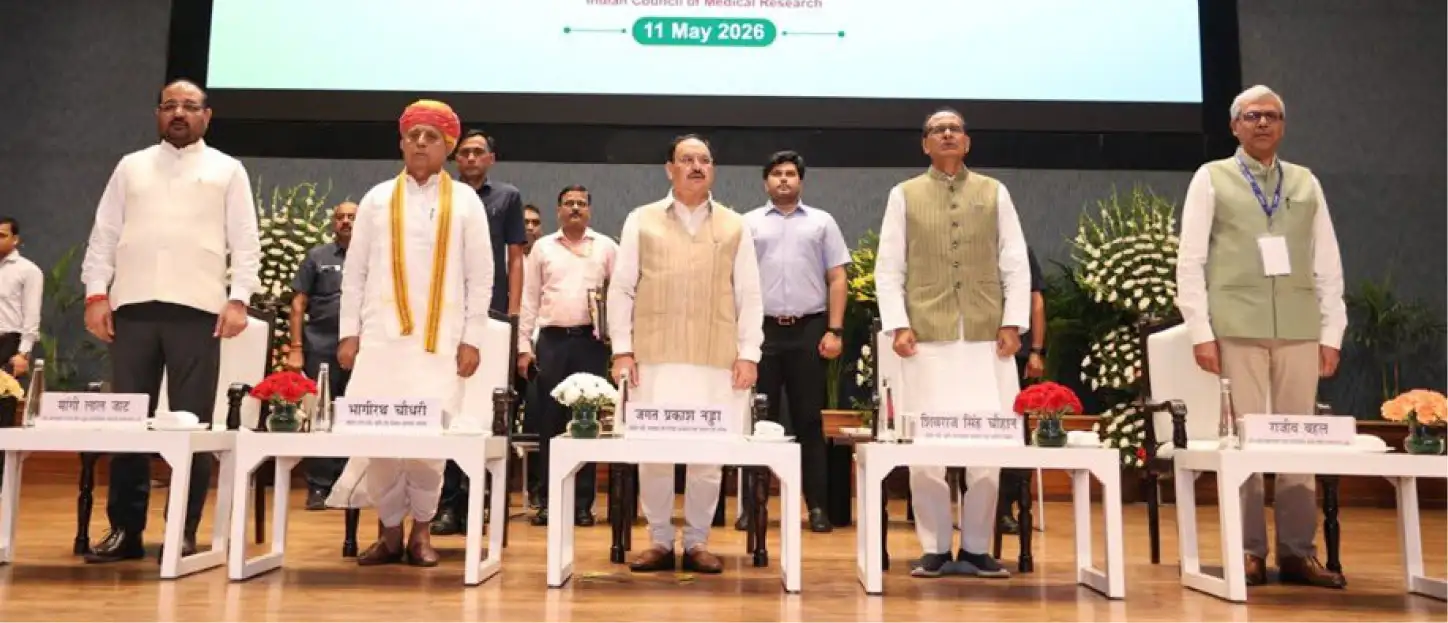
Launched by Jagat Prakash Nadda, Union Minister of Health & Family Welfare, and Shivraj Singh Chouhan, Union Minister of Agriculture & Farmers Welfare and Rural Development, the programme also featured the release of the ICAR Compendium on Bio-fortified Crops.
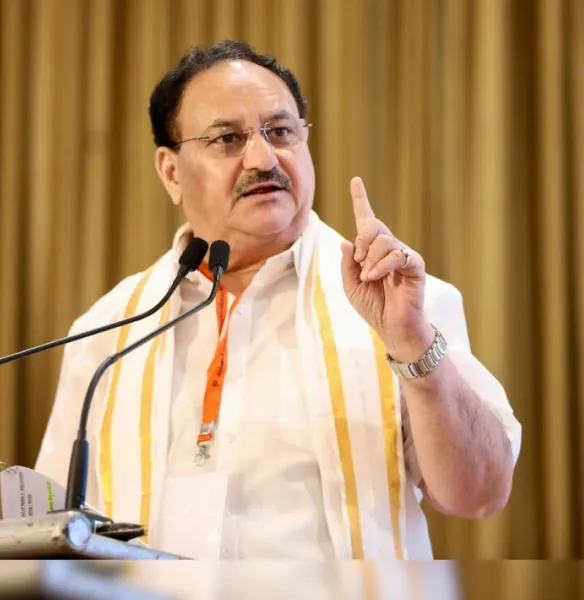
In a recent event in New Delhi, Union Health Minister J. P. Nadda has emphasised the growing role of research, innovation, and preventive healthcare in shaping India’s public health system.
He pointed to the need for stronger scientific collaboration to address health challenges linked to nutrition, lifestyle, and access to care.
“We have significantly strengthened our health systems, and our efforts have been focused on expanding access to affordable and high-quality healthcare. Our focus remains on prevention, early detection, and ensuring a continuum of care for all," J. P. Nadda said.
The remarks came alongside the launch of SEHAT (Science Excellence for Health through Agricultural Transformation), a joint national programme by the Indian Council of Medical Research (ICMR) and the Indian Council of Agricultural Research (ICAR). The initiative is designed to bridge agriculture and public health systems to improve nutrition-linked health outcomes.
Launched by Jagat Prakash Nadda, Union Minister of Health & Family Welfare, and Shivraj Singh Chouhan, Union Minister of Agriculture & Farmers Welfare and Rural Development, the programme also featured the release of the ICAR Compendium on Bio-fortified Crops.
SEHAT focuses on tackling India’s dual burden of undernutrition and the rising prevalence of non-communicable diseases (NCDs), including diabetes, hypertension, and cardiovascular conditions.
Under the programme, more than 200 crop varieties developed by ICAR will be evaluated for their health impact through clinical and population-level studies conducted in collaboration with ICMR. The initiative will also explore how dietary patterns influence disease prevention and support the development of nutrition-based interventions to reduce NCD risks.
The programme adopts a One Health approach, linking human, animal, and environmental health to better understand broader health determinants. It is expected to generate data-driven insights that can support policy integration across the agriculture and health sectors, with an emphasis on preventive healthcare and improved population health outcomes.
Stay tuned for more such updates on Digital Health News
Follow us