ICMR Backs Portable Device Cerebo for Early Detection of Brain Injuries
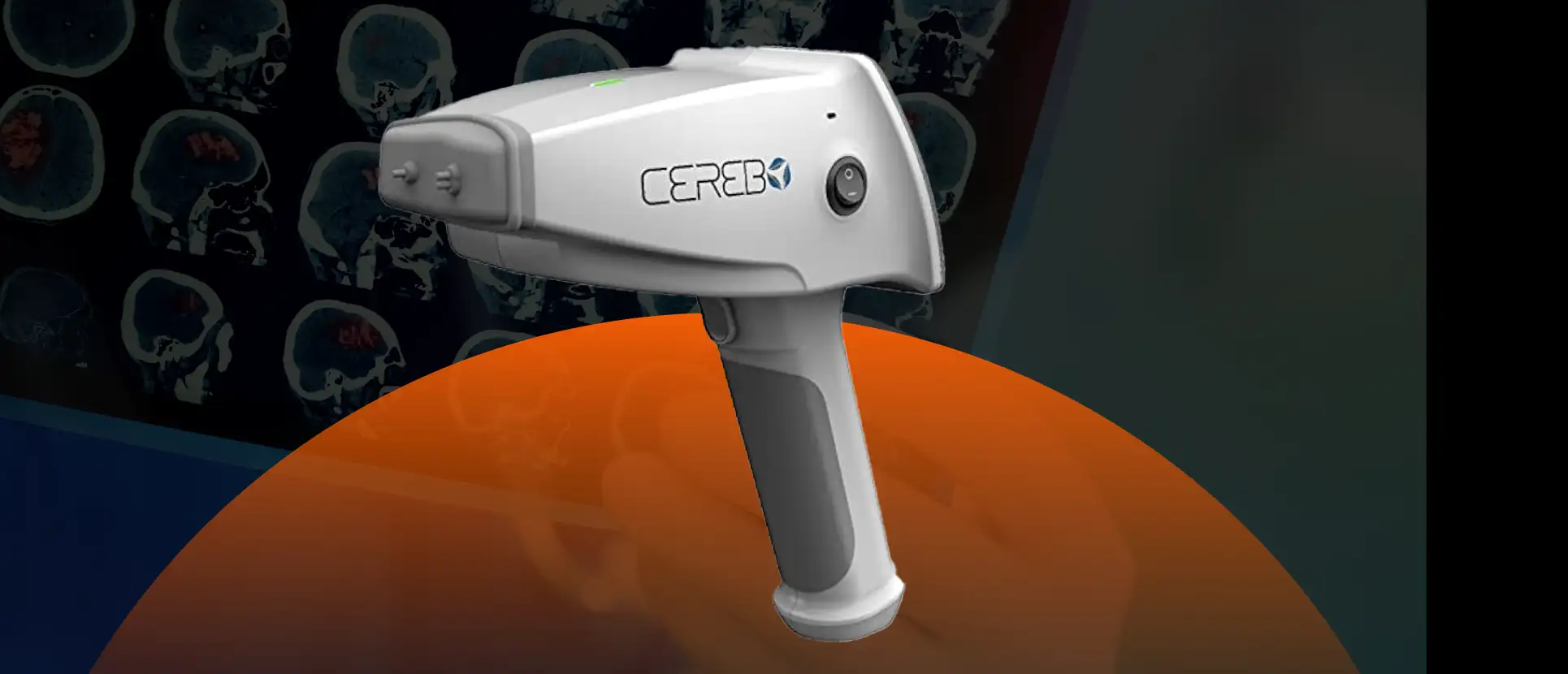
Cerebo, which uses advanced near-infrared spectroscopy technology supported by machine learning, can detect intracranial bleeding and edema within minutes.
Traumatic brain injuries (TBIs) remain a major public health challenge in India, particularly in emergency settings, rural areas, and underserved populations where CT or MRI scans are often inaccessible or delayed.
To address this, the Indian Council of Medical Research (ICMR) has announced the development and approval of a portable diagnostic device named Cerebo.
The handheld device, created through a collaboration between ICMR’s Medical Device and Diagnostics Mission Secretariat, AIIMS Bhopal, NIMHANS Bengaluru, and Bioscan Research, has received clearance from the Drugs Controller General of India (DCGI).
“We use CT scans to detect brain injuries. This device is an easy alternative to check for bleeding in the brain. It has received approval from DCGI,” said ICMR Director General Dr Rajiv Bahl.
Cerebo, which uses advanced near-infrared spectroscopy technology supported by machine learning, can detect intracranial bleeding and edema within minutes.
It delivers radiation-free, colour-coded results at a lower cost compared to MRI and CT machines. Designed for deployment in ambulances, trauma centers, rural clinics, and disaster response units, it aims to improve early detection and outcomes in TBI cases.
Published findings in Neurology India highlight that while Cerebo is not intended to replace CT scans, it can provide hospital-grade diagnosis at the point of care, particularly where imaging is unavailable.
"This is especially relevant because nearly half of patients with a head injury who get CT scans within 2 hours after damage, especially those with cerebral contusions, are suspected to have early progressive bleeding," the study noted.
India reports the world’s highest rate of head injuries, with over 100,000 deaths annually and more than 1 million serious head injury cases. Dr Bahl urged states to adopt Cerebo widely, noting, “This device, if used in tier-3 cities and rural areas, can immensely help reduce the burden of deaths and morbidities due to traumas. We, therefore, want states to utilise the tool on a wider scale and effectively.”
According to ICMR, the device has undergone clinical validation, regulatory approval, and feasibility studies. With a price of about Rs 15 lakh, requiring minimal training to operate, it offers a cost-effective option compared to conventional imaging systems.
The technology, developed in 2023, is now being positioned for both domestic and international deployment, with interest reported from countries in Africa and the Gulf region.
Stay tuned for more such updates on Digital Health News
Follow us