Himachal Govt to Invest INR 207.5 Cr to Upgrade Diagnostic Sector
As part of the initiative, the government has announced a total investment of INR 606.70 Cr, allocating INR 207.50 Cr specifically to enhance diagnostic services statewide.
The Himachal Pradesh Government is taking decisive steps to overhaul its struggling healthcare system through the ‘Vyavastha Parivartan’ initiative, an ambitious reform to transform public health institutions.
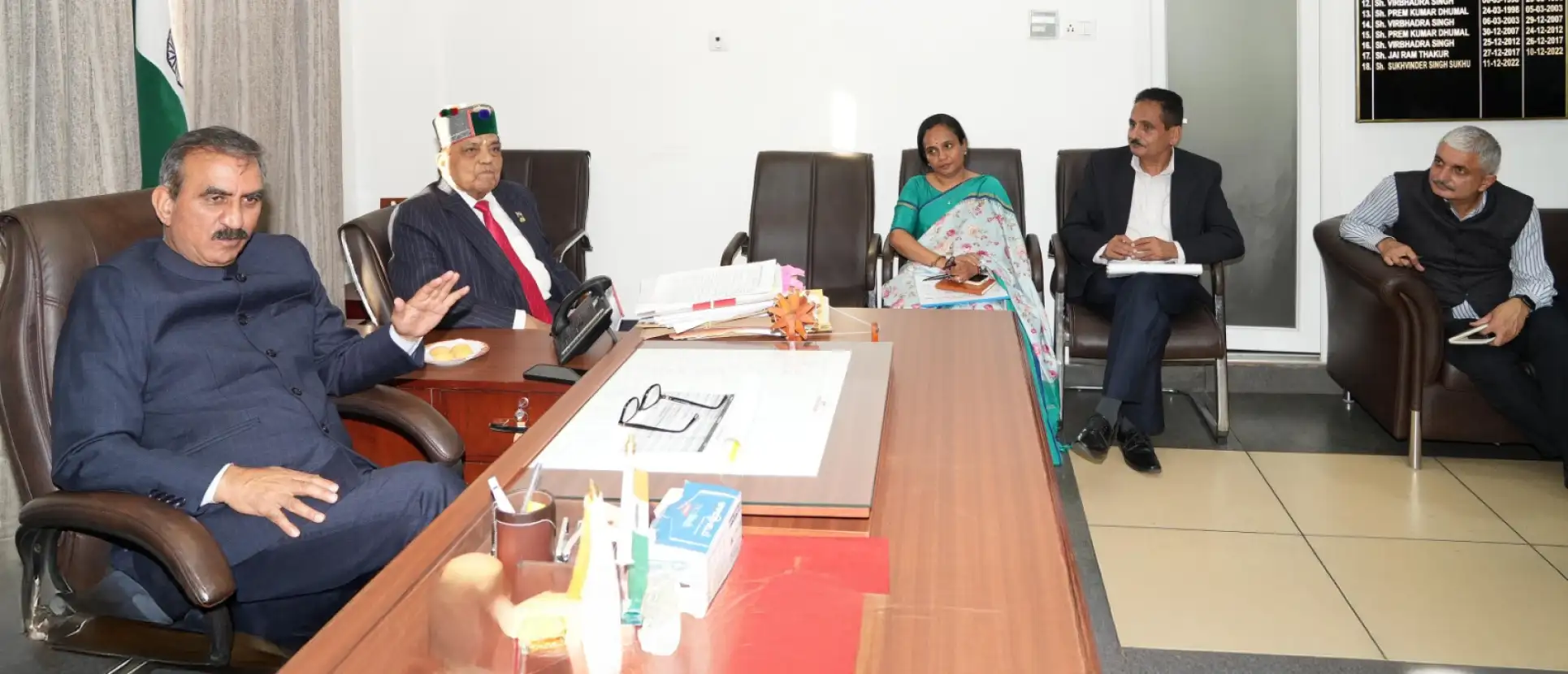
A government spokesperson stated that the health department has prepared a detailed blueprint for the proposal, following the directions of Chief Minister Sukhvinder Singh Sukhu.
As part of the initiative, the government has announced a total investment of INR 606.70 Cr, allocating INR 207.50 Cr specifically to enhance diagnostic services statewide.
“Most Medical Colleges, as well as other hospitals in the State, are ill-equipped, as diagnostic machines are 15 to 20 years old. These outdated machines make it difficult for doctors to accurately detect patients’ ailments. Moreover, with advancements in medical technology, more efficient machines are now available, which can lead to faster and more accurate treatments of the patients. In response to these challenges, the Chief Minister has directed the replacement of old machines with new and technologically advanced equipment in hospitals,” Sukhu commented.
Advanced Technologies integrated in Medical Colleges
As per the proposal, high-resolution 1.5 Tesla and 3 Tesla MRI machines will be installed at four major medical colleges, like IGMC Shimla, SLBSGMC Mandi, D. YSPGMC Nahan, GMC Chamba, as well as at the Atal Institute of Medical Super Speciality Chamiyana.
Each of Himachal’s seven medical colleges will also receive advanced diagnostic tools, including CT scanners, digital X-ray units, ultrasounds, a mammography unit, and a Picture Archiving and Communication System (PACS) system.
Furthermore, each medical college will receive four portable ultrasound machines and one radiology workstation equipped with 3D software. The
The equipment is expected to ensure that patients in government healthcare institutions have access to faster, accurate, and reliable healthcare services in the State.
Additionally, most healthcare institutions across the State are currently constrained by limitations in both diagnostic and surgical capabilities not only from a lack of modern equipment but also from insufficient training of the staff.
To address this, Chief Minister Sukhu has emphasized 14 key focus areas in the proposal, including simulation-based training, cancer care, digital health, critical care, etc.
Sukhu said, “The aim of this modernization effort is to provide better care to patients within the State, so they no longer have to seek specialized treatment outside the State. Additionally, this initiative is expected to strengthen medical education, leading to significant improvements in the quality of healthcare services in the State.”
Stay tuned for more such updates on Digital Health News
Follow us