Apple Signals Shift Toward Clinician-Integrated Health Tools Beyond Wearables
Speaking during a keynote session at the 2026 HIMSS Global Health Conference & Exhibition, Desai outlined how Apple is using artificial intelligence and machine learning to generate insights that can support both patients and clinicians.
Apple is looking to expand its healthcare capabilities beyond consumer wearables, with a focus on integrating its technologies more closely with clinical workflows and healthcare systems, according to Dr. Sumbul Ahmad Desai, vice president of Health and Fitness at Apple.
Speaking during a keynote session at the 2026 HIMSS Global Health Conference & Exhibition, Desai outlined how Apple is using artificial intelligence and machine learning to generate insights that can support both patients and clinicians.
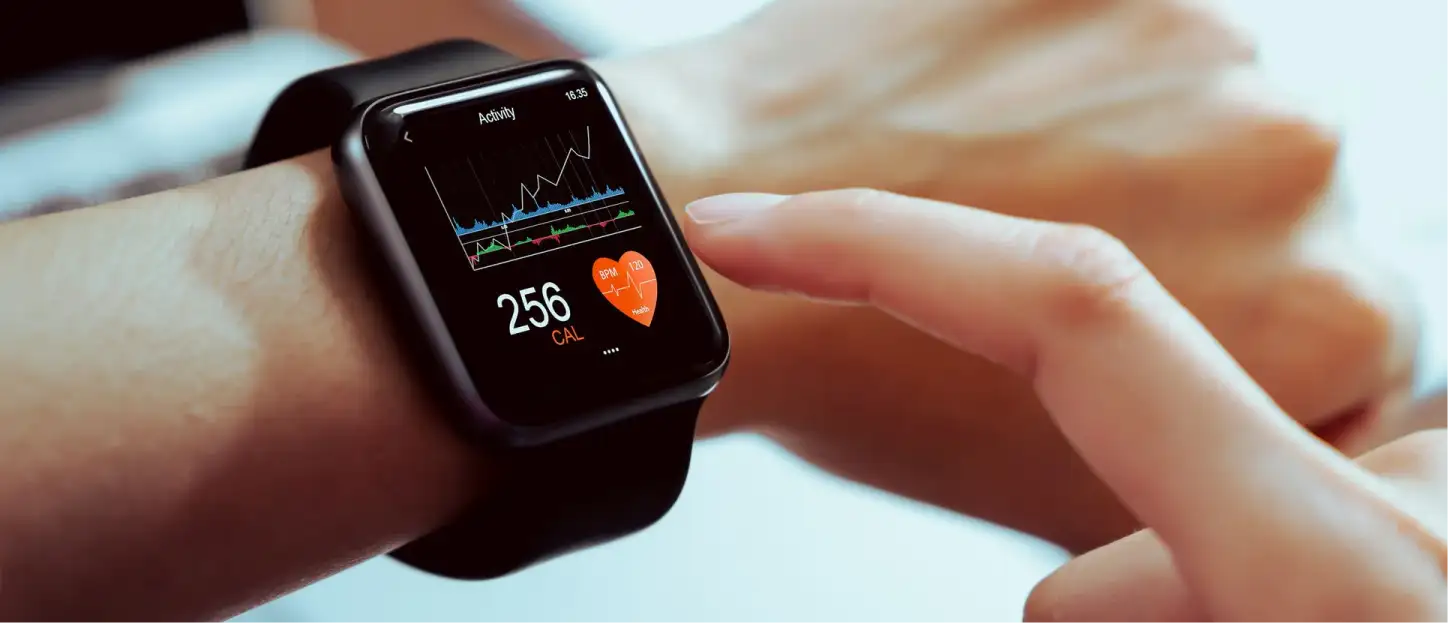
Apple’s wearable devices, including the Apple Watch, currently track metrics such as heart rate, ECG readings, blood oxygen levels, and sleep apnea notifications. These features, Desai said, have already demonstrated potential clinical value by helping users identify early signs of health issues.
Desai cited an example where a consumer noticed an elevated heart rate through the Apple Watch and subsequently visited a physician, leading to a diagnosis of atrial fibrillation. According to Desai, such capabilities allow individuals to detect potential health concerns earlier and seek medical attention before conditions worsen.
“Empowering the user, the patient,” Desai said, remains central to Apple’s healthcare approach. The company is focusing on technology that works seamlessly while supporting proactive and preventative care.
A key next step for Apple involves strengthening collaboration with healthcare organizations and scaling clinical partnerships. One example highlighted during the session is Apple’s collaboration with Emory Hillandale Hospital in Lithonia, Georgia.
At the facility, the Epic electronic health record system is available on Mac devices, while clinicians use Apple products, including Mac, iPhone, iPad, and Apple Watch, across the healthcare system. Desai noted that nurses have adopted the Apple Watch for communication within clinical environments.
Apple is also expanding research initiatives that allow study participants to share health data collected through Apple devices. According to Desai, researchers are increasingly using the company’s technology for new clinical use cases.
Beyond wearables, Apple is also introducing medical imaging features within its hardware ecosystem. The company recently launched DICOM medical presets for its Studio Display lineup, allowing clinicians to adjust brightness and contrast settings when viewing CT scans, MRI images, and X-rays.
Desai said Apple’s product development process often spans several years, with extensive validation to ensure technologies do not create unnecessary alerts for clinicians or patients.
“We obsess about having false positives,” she said.
Desai added that artificial intelligence will continue to shape the company’s healthcare roadmap.
Stay tuned for more such updates on Digital Health News
Follow us