UnitedHealth Group to Invests $1.5 Bn in AI to Drive Operational Turnaround Strategy
A key development includes “Avery,” an AI chatbot designed to support member engagement, which is expected to be available to around 20 million users by the end of 2026.
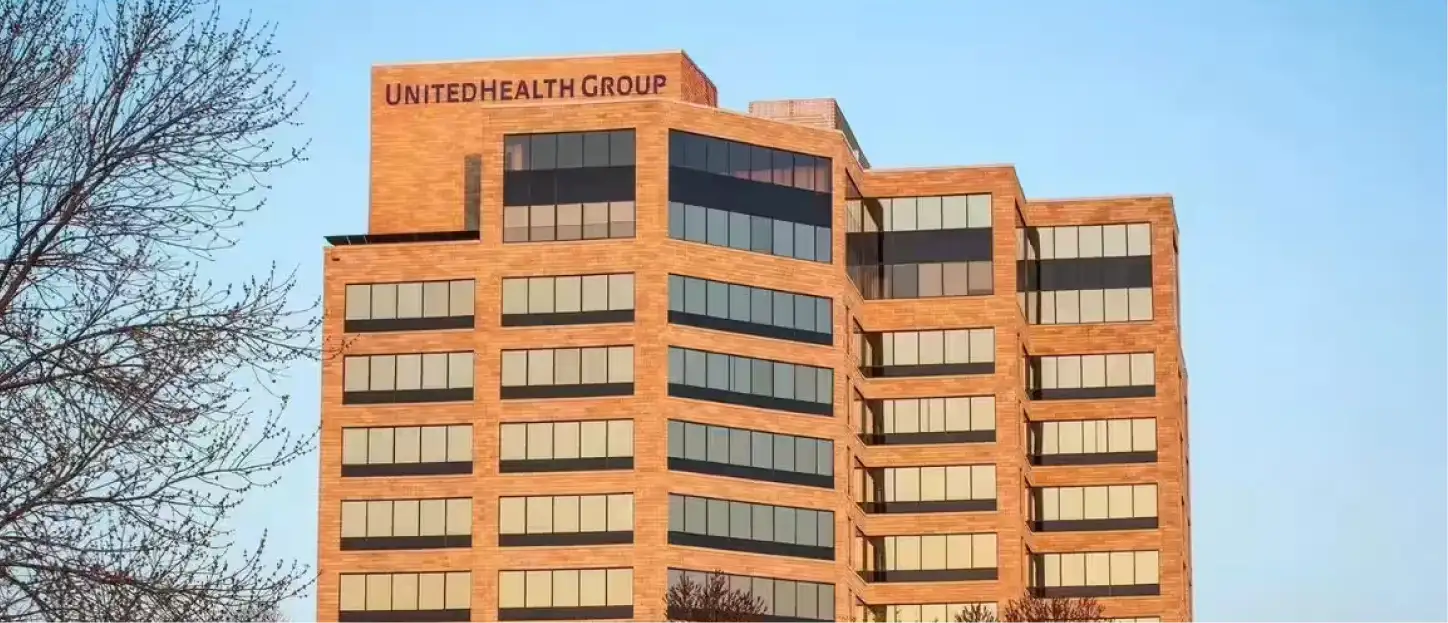
UnitedHealth Group has announced a $1.5 billion investment in artificial intelligence as a central pillar of its operational turnaround strategy, with major deployments planned across its Optum and enterprise healthcare divisions.
CEO Stephen Hemsley said during the company’s earnings call that the investment is focused on transitioning legacy systems into AI-driven platforms, particularly within OptumInsight, the company’s data and technology unit.
A portion of older products is being phased out as the company shifts toward AI-first operations.
Chief Financial Officer Wayne DeVeydt noted that the transition includes a gradual rundown of non-AI systems in the first quarter, with financial benefits expected in the second half of 2026 as new infrastructure scales.
Roughly one-third of the $1.5 billion investment is directed toward OptumInsight’s transformation, according to Sandeep Dadlani, CEO of OptumInsight. The remaining funds are being used to develop AI-based systems across enterprise functions, including member services, claims processing, and administrative workflows.
A key development includes “Avery,” an AI chatbot designed to support member engagement, which is expected to be available to around 20 million users by the end of 2026. The company is also using AI to streamline processes such as prior authorization and claims adjudication.
UnitedHealth said its AI systems are being designed for potential external commercialization. Dadlani added that several tools are already showing early adoption, including OptumReal, a real-time claims platform that has processed about 500 million claims so far this year and is projected to handle 2.5 billion transactions by the end of 2026.
The company’s new AI consulting arm, OptumAI, has also secured its first clients. Meanwhile, a digital prior authorization tool has recorded a 96% approval rate in its initial phase of deployment.
UnitedHealth expects a conservative 2:1 return on its AI investments, with several tools projected to recover costs within 12 to 18 months. The company emphasized that implementation will remain gradual as systems are scaled across its healthcare network.
Alongside its AI strategy, UnitedHealth reported steady first-quarter results, including $111.7 billion in revenue and $6.3 billion in profit, while also raising its 2026 earnings guidance.
Stay tuned for more such updates on Digital Health News
Follow us