IISc Develops Dissolving Stent to Reduce Repeat Surgeries After Liver Transplants
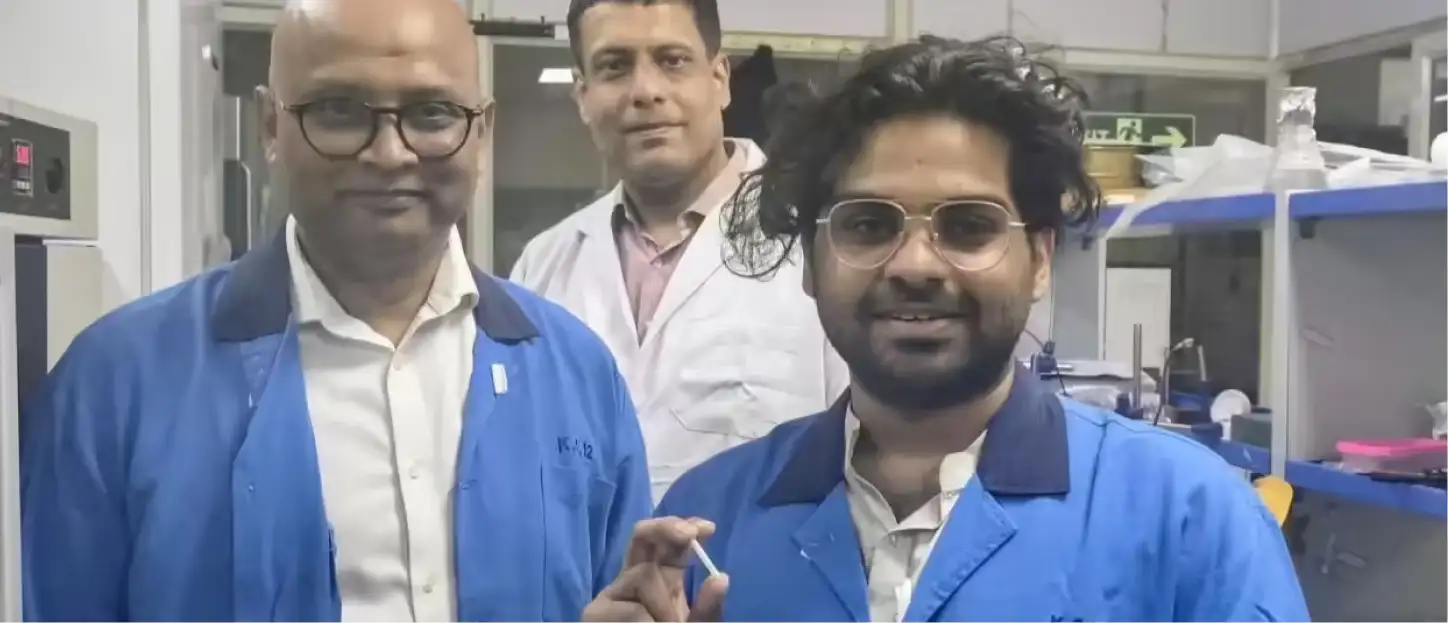
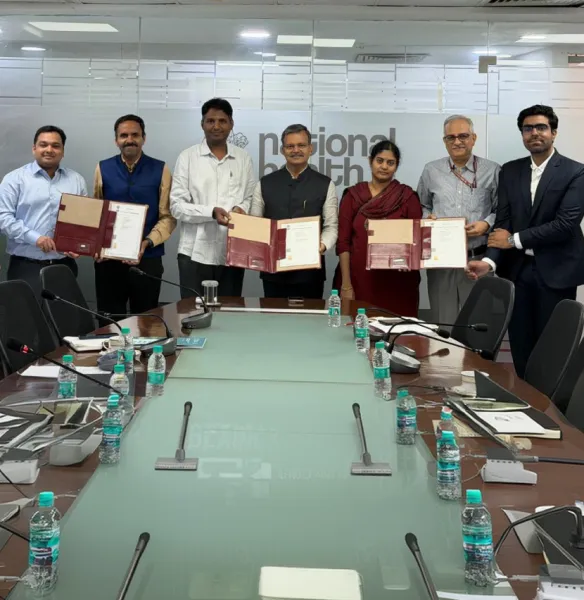
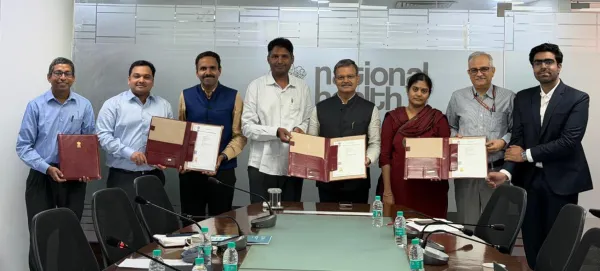
The device, named the “Asthana Stent,” is now moving from laboratory development to commercial production after being licensed to Advanced Medtech Solutions Private Limited under an Indian patent.
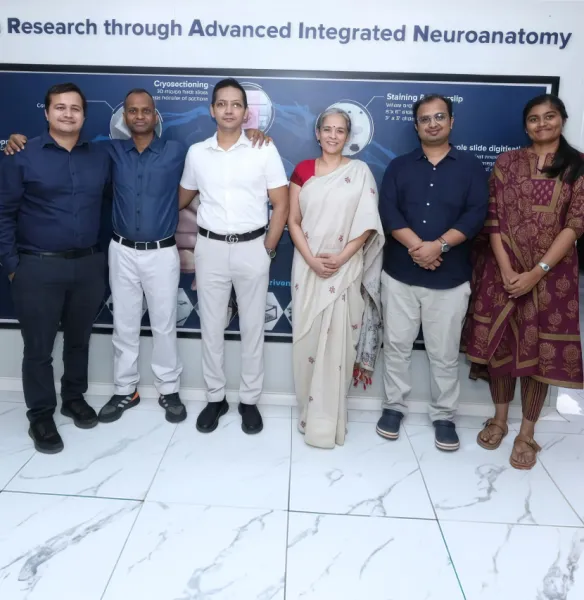
A research team from the Indian Institute of Science (IISc), Bengaluru, in collaboration with liver transplant surgeon Dr. Sonal Asthana of Aster CMI Hospital, has developed a dissolvable stent designed to reduce the need for repeat surgeries following abdominal procedures, particularly liver transplants.
The device, named the “Asthana Stent,” is now moving from laboratory development to commercial production after being licensed to Advanced Medtech Solutions Private Limited under an Indian patent.
The innovation addresses a recurring complication in liver transplant surgeries, where surgeons connect bile ducts. These connections can later leak or become narrowed in 11% to 40% of patients, often requiring additional corrective procedures.
Current stents used to keep the bile duct open during healing are either external tubes that require careful management or internal devices that must be removed through another procedure. Both approaches carry risks, added cost, and patient discomfort.
The newly developed stent is made from polydioxanone (PDS), a biodegradable polymer already used in dissolvable surgical sutures. Once implanted, it supports the bile duct for approximately six weeks before gradually breaking down and being absorbed by the body, eliminating the need for removal surgery.
Engineers from IISc’s Departments of Materials Engineering and Bioengineering contributed to refining the device’s structure. The design includes surface ridges and micro hooks to prevent movement, along with a flexible mid-section to allow placement even when duct alignment is not ideal. Radiopaque markers have also been added to make the device visible under X-ray imaging.
According to the research team, the stent has been tested to withstand pressure exceeding 16 Newtons, significantly higher than typical bile duct pressure levels. It also maintained structural integrity in laboratory conditions and human bile for up to six weeks, covering the critical healing period.
With the technology now licensed, the next stage involves large-scale manufacturing and regulatory approval from the Central Drugs Standard Control Organisation (CDSCO). The project has also received support from the Indian Council of Medical Research (ICMR).
If approved, the stent will be used during surgery and will be available in multiple sizes for clinical use, to reduce surgical burden and post-operative complications for patients.
Stay tuned for more such updates on Digital Health News
Follow us