SpaMedica Deploys Remote Eye Diagnostic Technology to Expand NHS Access
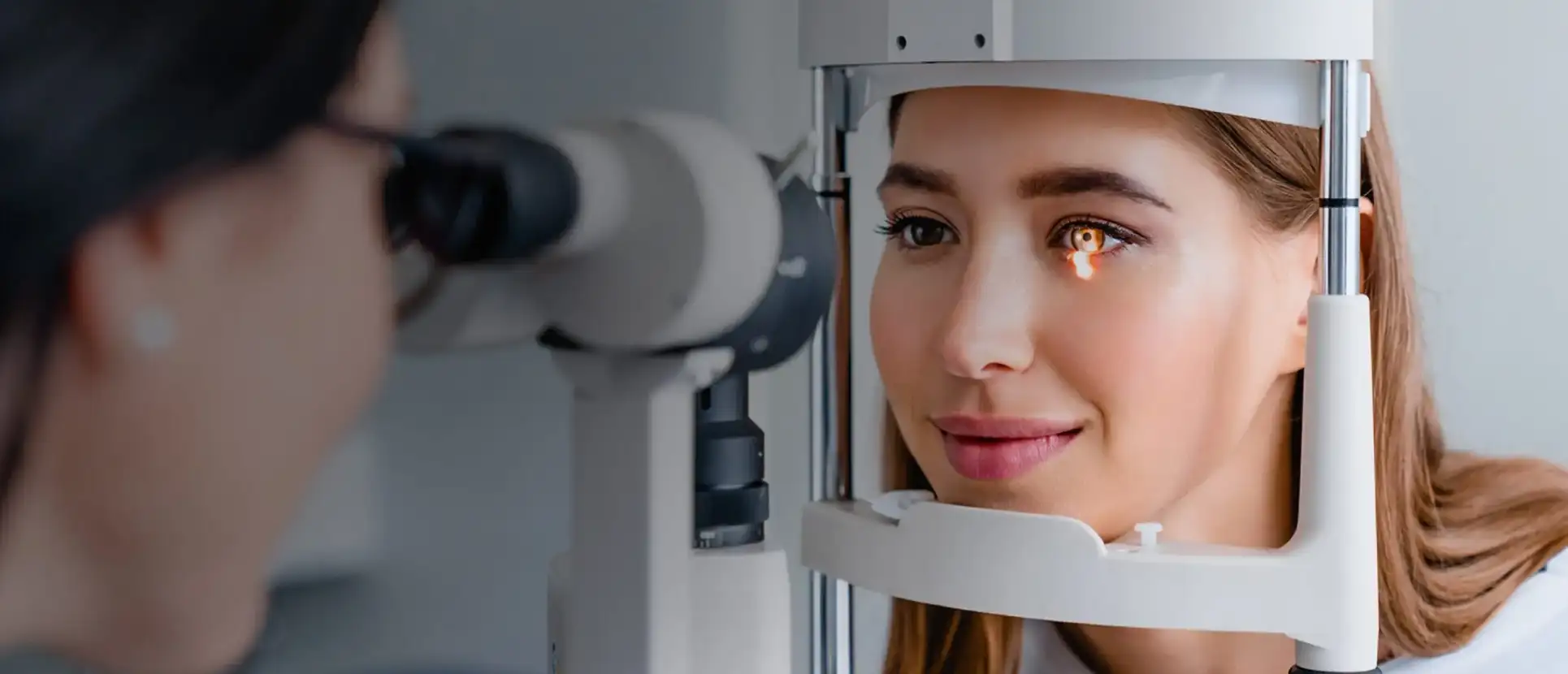
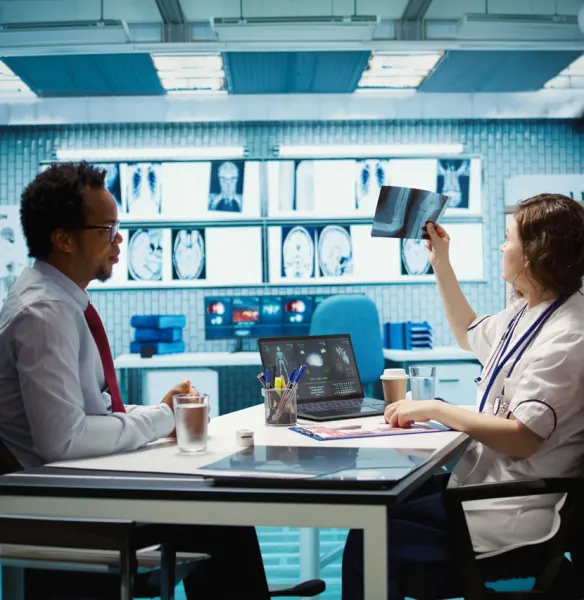
Aetheia enables high-resolution eye examinations to be conducted locally and streamed securely in real time to an optometrist, who then completes a clinical assessment remotely.
SpaMedica has introduced a remote diagnostic technology, Aethia, that allows complex eye conditions to be assessed from a distance, enabling patients across the UK to receive specialist eye care without the need to travel and supporting efforts to reduce NHS waiting lists.
The introduction of this technology comes as demand for NHS eye care continues to rise.
Ophthalmology remains one of the busiest outpatient specialities in the NHS, with nearly 600,000 people waiting for specialist eye appointments. A significant proportion of these patients require assessment or surgery for cataracts, one of the most common age-related eye conditions in the UK, affecting around 700,000 people.
Aetheia enables high-resolution eye examinations to be conducted locally and streamed securely in real time to an optometrist, who then completes a clinical assessment remotely.
By separating the examination from the specialist assessment, SpaMedica is able to deliver consistent clinical standards regardless of patient location and reduce the need for travel, particularly for elderly patients or those with limited mobility.
Naomi Maunder, a hospital optometrist at one of SpaMedica’s NHS facilities, said: ‘It’s a game-changing innovation which brings the professional to the patient – and potentially revolutionary, particularly for urgent eye care.’
The national roll-out follows a pilot programme involving 100 clinics and feedback from more than 2,000 patients.
Helen Kitchen, SpaMedica’s regional team lead optometrist, said, ‘Aetheia has helped massively with patient care. ‘When it is difficult to find cover for clinics, it has allowed me to assess and list patients for cataract surgery in the south while I have been located in the north. ‘This helps to keep waiting times down and gives the patients easy, quick access to vital treatment.’
The technology has also enabled greater flexibility in workforce deployment. Clinicians can support clinics in different regions, including providing out-of-hours assessments, helping maintain service delivery when local staffing is limited.
Stay tuned for more such updates on Digital Health News
Follow us