Roche to Acquire PathAI in $1.05 Bn AI Pathology Expansion
The acquisition follows a five-year collaboration between the two companies focused on computational pathology and biomarker discovery tools used in biopharma clinical trials.
Swiss healthcare company Roche will acquire PathAI for $750 million upfront, with an additional $300 million tied to contingent milestones, as the company moves to deepen its AI-powered pathology and companion diagnostics capabilities.
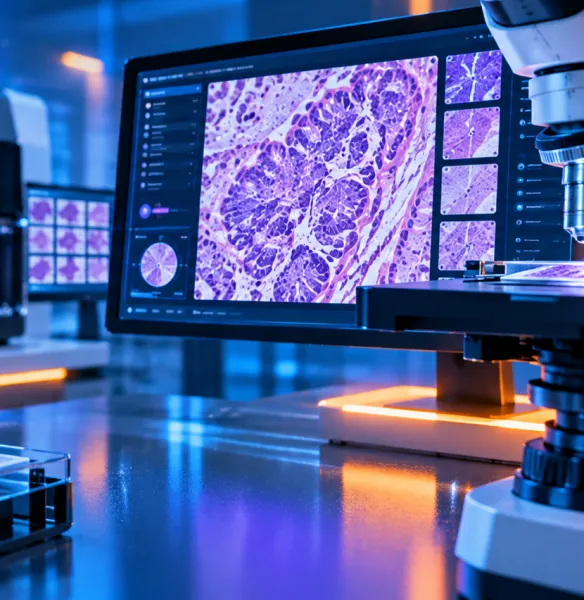
The acquisition follows a five-year collaboration between the two companies focused on computational pathology and biomarker discovery tools used in biopharma clinical trials. Roche is acquiring PathAI’s trial-integrated AI algorithms, pathology datasets, and engineering capabilities that support tissue analysis and patient stratification in oncology research.
PathAI’s technology has been used to develop AI-enabled companion diagnostic algorithms that help identify eligible patient populations and responder subgroups in cancer studies. These tools are increasingly being integrated into regulatory and drug approval strategies for oncology therapies.
Roche’s Diagnostics division already has a large presence in companion diagnostics through immunohistochemistry and in situ hybridization testing platforms. With the acquisition, Roche is expected to combine conventional pathology workflows with AI-driven image analysis to offer pharmaceutical companies a single platform spanning tissue processing, digital imaging, biomarker scoring, and companion diagnostic development.
The move also places Roche deeper into the regulatory framework surrounding AI-based clinical trial endpoints. AI-generated histopathology scores used in registrational trials fall under the US Food and Drug Administration’s software as a medical device guidance, requiring additional analytical and reproducibility validation compared to conventional assays.
By acquiring PathAI, Roche also gains access to existing regulatory validation datasets and prior interactions tied to AI pathology models, assets that are difficult to replicate quickly in clinical development timelines.
Industry observers are expected to monitor whether future Roche-sponsored oncology trials begin using PathAI-derived tissue scores as primary or secondary endpoints. Such a shift would indicate that AI pathology tools are moving beyond external trial services into Roche’s internal drug development strategy, particularly in oncology and precision medicine programs.
Stay tuned for more such updates on Digital Health News
Follow us