Epic, Oracle & Cleveland Clinic Join CMS Initiative to Streamline Prior Authorization
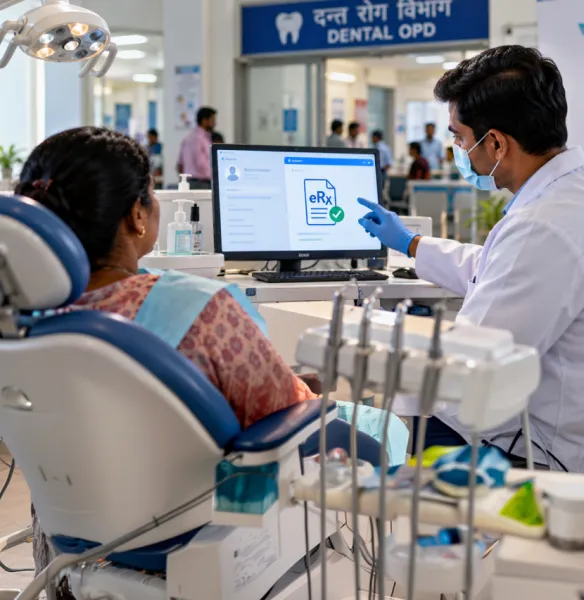
Under the initiative, participating organizations have agreed to integrate electronic prior authorization into their clinical and administrative systems, reduce manual processes, improve visibility into authorization status, and strengthen interoperability between providers and payers.
Centers for Medicare & Medicaid Services has announced that 29 healthcare organizations have joined its initiative to modernize prior authorization workflows through electronic integration and interoperability improvements.
The “early adopter” group includes major health systems, electronic health record vendors, insurers, and health data exchange networks working toward reducing manual prior authorization processes such as faxes, letters, and phone calls.
Among the participating organizations are Epic Systems, Oracle, Cleveland Clinic, Sanford Health, Providence, Ochsner Health, athenahealth, and eHealth Exchange.
Nine insurers are also part of the initiative, including UnitedHealthcare, Cigna, and Aetna, most of which had previously committed to improving prior authorization processes last year.
CMS Administrator Mehmet Oz said the initiative is intended to address workflow, technical, and operational barriers that have slowed the adoption of electronic prior authorization systems across healthcare organizations.
Speaking at the Axios Future of Health Summit, Oz criticized continued reliance on fax-based workflows, noting that approximately half of prior authorization requests are still sent manually through fax systems.
Under the initiative, participating organizations have agreed to integrate electronic prior authorization into their clinical and administrative systems, reduce manual processes, improve visibility into authorization status, and strengthen interoperability between providers and payers.
CMS has separately introduced interoperability and prior authorization requirements through rulemaking that must be implemented by January 1, 2027.
According to Oz, broader automation could eventually allow prior authorization checks to occur in the background during clinical encounters by automatically pulling relevant patient data from electronic medical records.
Recent industry data cited by participating insurers showed an 11% reduction in prior authorization volume among leading health plans, amounting to approximately 6.5 million fewer requests. Medicare Advantage prior authorization requests reportedly declined by 15%.
However, provider groups continue to express concerns regarding payer practices. The American Medical Association recently reported survey findings showing that only one in three physicians believes insurer commitments will significantly improve the process.
AMA President Bobby Mukkamala said physician confidence remains low due to years of unresolved administrative burdens and concerns over clinical review quality during authorization disputes.
Stay tuned for more such updates on Digital Health News
Follow us