Karnataka Govt, NIMHANS Launch Hub-and-Spoke Stroke Network to Improve Access to Thrombectomy Care

Under the proposed model, major centers such as NIMHANS will function as hubs for advanced stroke interventions, while district hospitals and medical colleges will operate as spoke centers responsible for early diagnosis, initial treatment, and patient referrals.
The Karnataka government and National Institute of Mental Health and Neurosciences (NIMHANS) are developing a hub-and-spoke stroke care network to improve access to thrombectomy treatment and reduce delays in emergency stroke care across the state.
Under the proposed model, major centers such as NIMHANS will function as hubs for advanced stroke interventions, while district hospitals and medical colleges will operate as spoke centers responsible for early diagnosis, initial treatment, and patient referrals.
The initiative aims to improve access to thrombectomy-capable centers, particularly for patients in semi-urban and rural regions outside Bengaluru.
According to a communication note released ahead of World Thrombectomy Day 2026 observed annually on May 15, smaller hospitals in the network will be equipped to identify stroke cases early, conduct imaging scans, begin initial treatment, and rapidly transfer eligible patients to specialized centers.
The state government said institutions such as Karnataka Medical College and Research Institute are expected to become part of the expanding stroke care network in the future.
NIMHANS currently provides emergency thrombolysis, round-the-clock mechanical thrombectomy services, stroke ICU care, rehabilitation, and follow-up services. The institute noted that it remains the only government-sector thrombectomy center in Karnataka.
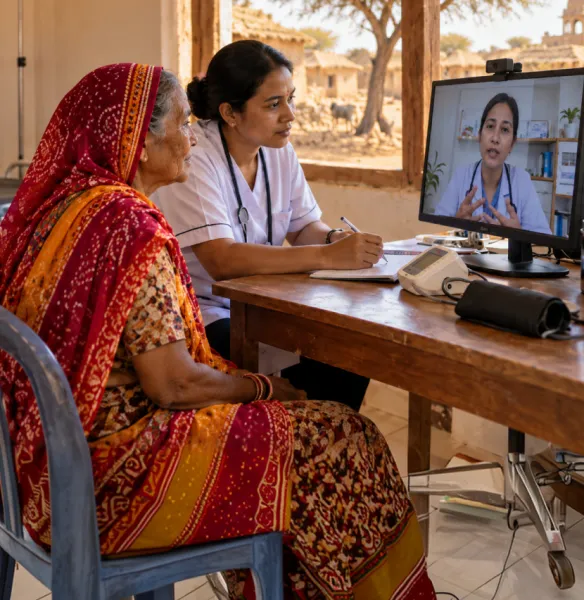
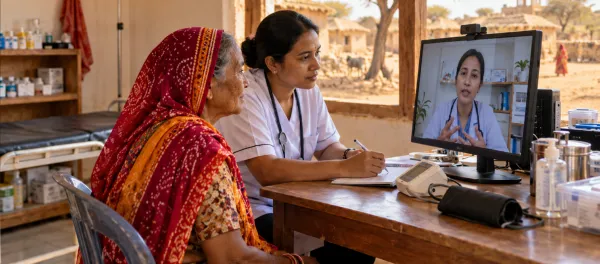
The project will also focus on training doctors, nurses, emergency response personnel, radiology teams, and rehabilitation specialists in stroke management. Telemedicine support systems, standard treatment protocols, and rapid referral pathways are also being developed as part of the initiative.
Health officials highlighted multiple challenges affecting stroke care delivery in the state, including low public awareness about stroke symptoms, delayed hospital arrivals, traffic congestion, ambulance shortages, and limited stroke-ready facilities in rural areas.
Stroke incidence is also increasing among younger adults due to rising rates of hypertension, diabetes, smoking, obesity, stress, and sedentary lifestyles, according to the note.
Mechanical thrombectomy, one of the key interventions under the project, involves removing a blood clot from a blocked brain artery using a catheter inserted through a blood vessel. Doctors say the procedure is most effective when performed within six hours of stroke onset, although selected patients may benefit up to 24 hours later.
Stay tuned for more such updates on Digital Health News
Follow us