Robotics, AI & Nanoscience to Create Larger Ecosystem for Precision Health Delivery Says Union Minister Dr Jitendra Singh
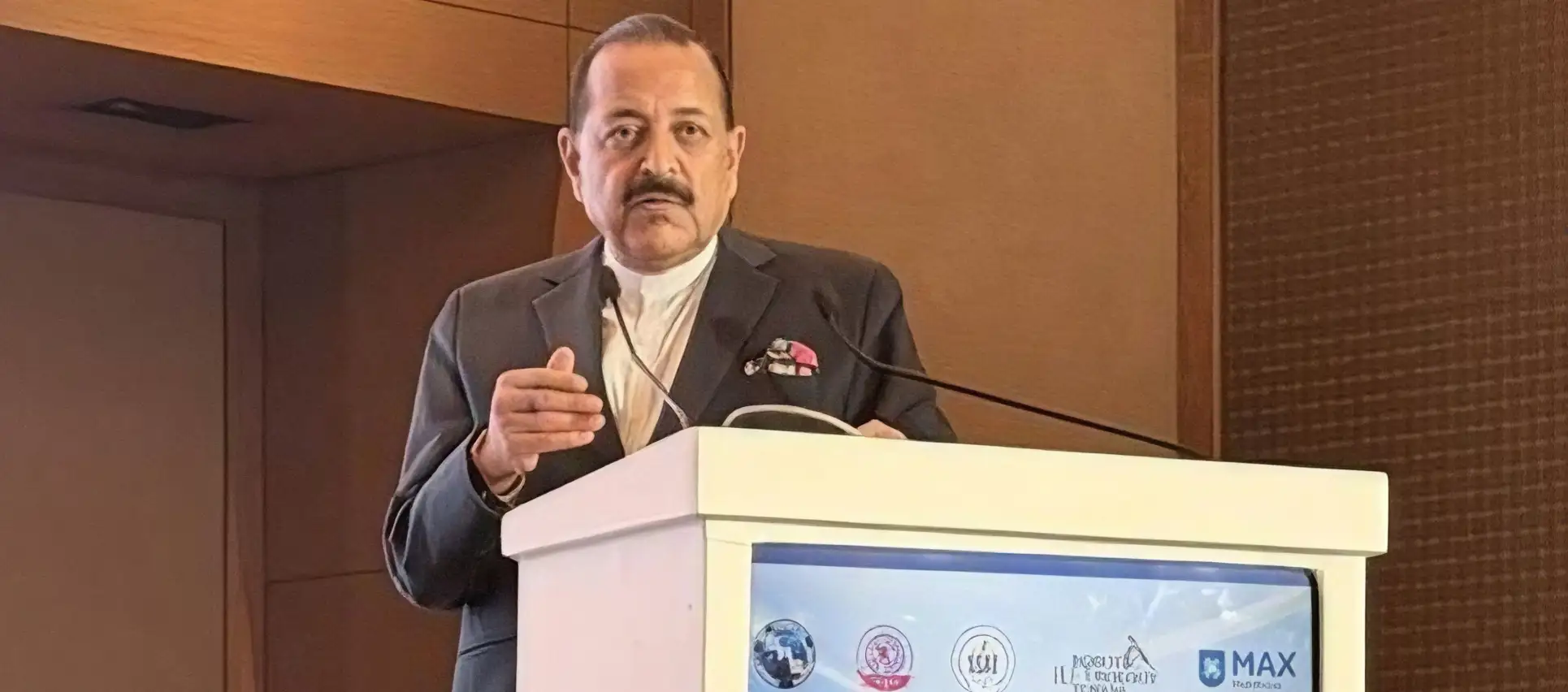
Tele-robotics could enable specialist expertise to reach patients across geographical boundaries, allowing advanced medical capabilities to be delivered without the patient necessarily having to travel to the specialist.
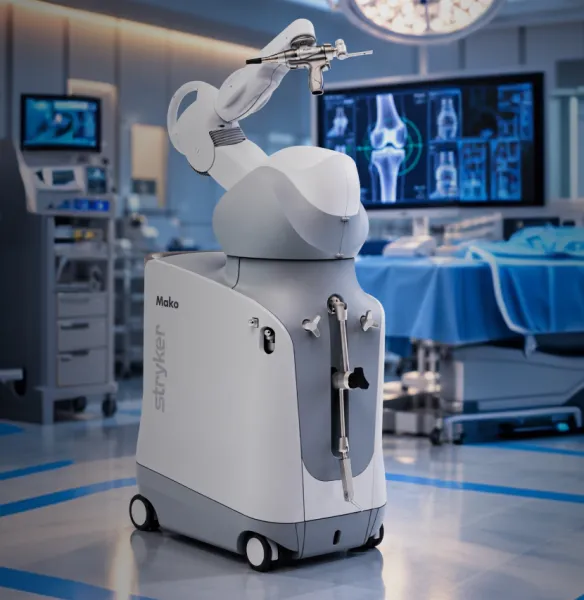
Robotics is set to become an accelerating tool in every specialty of medicine, covering diagnostics as well as treatment and therapy, said Union Minister of State (Independent Charge) for Science & Technology and Earth Sciences Dr Jitendra Singh.
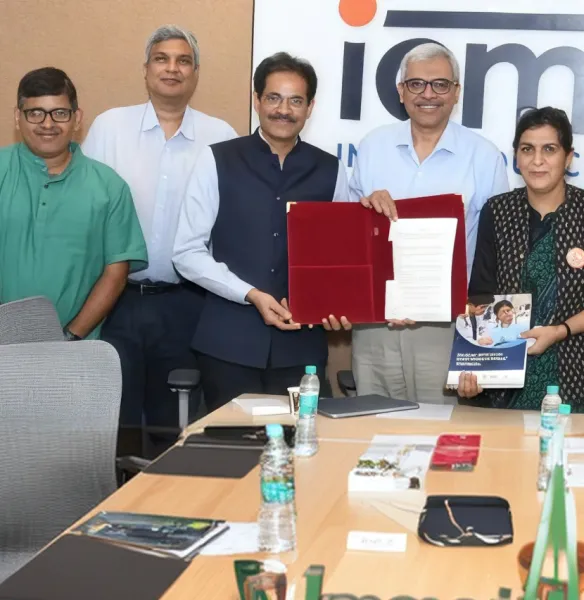
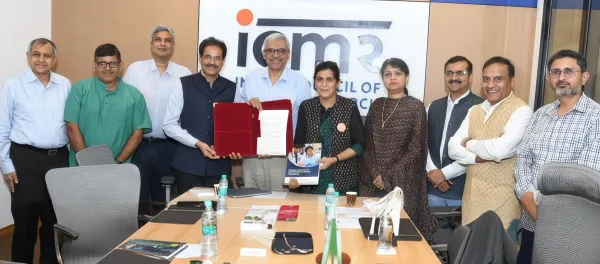
While addressing an event, Union Minister Dr Jitendra said, "In the times to come, Robotics, together with Artificial Intelligence (AI), genomics and Nanoscience, would create a larger ecosystem for precision health delivery and precision medicine, with emerging technologies enabling increasingly personalised healthcare based on an individual’s genetic profile, environmental conditions, lifestyle and dietary patterns.”
He added that robotics should not be viewed as a technology confined to surgery but as a tool that would increasingly become part of different branches of medicine.
“It’s a tool. It will happen everywhere, “ he said.
He added that while the current focus is on robotic surgery, the future could see the emergence of robotic medicine, robotic endocrinology and robotic cardiology, just as AI is finding applications across different medical specialties.
The Minister further highlighted that medicine is entering a new phase of frontier practices, driven by new technologies such as AI, biotechnology, nuclear medicine and other technology-driven solutions.
He noted the next phase would see greater application of genetically driven diagnostic solutions, alongside advances in quantum technologies, nanomedicine and robotics.
The Union Minister underlined that precision medicine would increasingly require treatment approaches tailored to individual patients, even when they are diagnosed with the same disease.
Genetic profile, environmental conditions, lifestyle and dietary patterns, would increasingly shape medical decision-making, making technology-enabled and personalised healthcare an important part of the future of medicine, he added.
Referring to the Genome India Programme, the Union Minister stated that 10,000 individuals have already been sequenced and expressed the hope that India could eventually move towards gene sequencing for every newborn.
He added that undertaking such detailed genetic sequencing for a population of 1.4 billion would require the optimal use of AI and robotics.
Sharing his experience with robotic ultrasonography, he shared an incident where he had once performed an ultrasound on a person located 10,000 kilometres away in Antarctica, demonstrating the possibilities of remotely enabled medical technologies.
Describing the potential transformation in the traditional model of specialist healthcare, Dr. Jitendra Singh said, “Instead of the patient being referred to the doctor, it will be the doctor being referred to the patient.”
Highlighting the role of tele-robotics, Dr Jitendra Singh stated that tele-robotics could enable specialist expertise to reach patients across geographical boundaries, allowing advanced medical capabilities to be delivered without the patient necessarily having to travel to the specialist.
The Minister also pointed to India’s evolving disease profile, where infectious diseases continue to coexist with metabolic and lifestyle-related disorders.
He said diseases traditionally associated with later stages of life are increasingly being seen among younger people, creating a complex healthcare landscape that requires both advanced technological tools and a more integrated and holistic approach.
Dr Jitendra further noted that India’s scale, diversity, and geographical healthcare requirements make the adoption of new technologies such as AI, robotics, and tele-robotics particularly relevant for healthcare delivery and are expected to support the transition towards precision and personalised medicine.
Stay tuned for more such updates on Digital Health News
Follow us