Post-Discharge is the New Front Door: Operationalizing Continuity of Care through Digital Tools

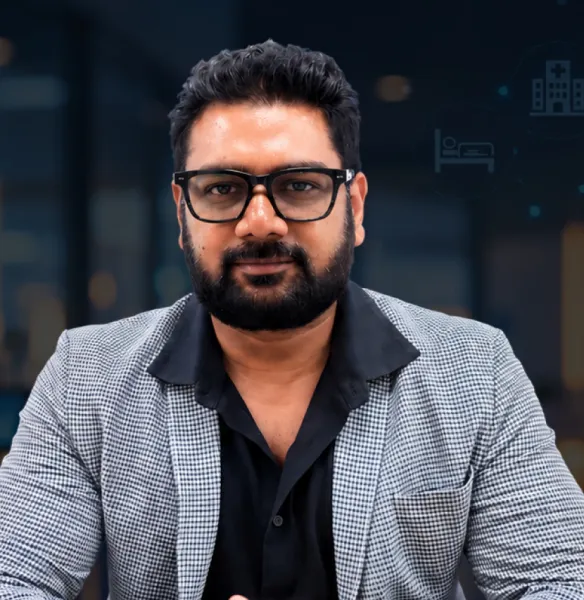
By, Ajesh Kundoor, Head of Operations- KIMSHEALTH, Nagercoil, TN
For decades, hospitals have measured success by what happens inside their walls, clinical outcomes, length of stay, infection control and patient satisfaction during hospitalisation. Yet, in today’s value-driven healthcare environment, the true measure of care extends far beyond the hospital stay. The period immediately after discharge has emerged as one of the most vulnerable and decisive phases in a patient’s healthcare journey.
Increasingly, healthcare leaders recognize that post-discharge care is the new “front door” of healthcare delivery. It is the point where hospitals can sustain patient relationships, prevent complications, reduce readmissions and deliver continuous care through digital innovation.
As healthcare systems evolve toward patient-centred and value-based models, operationalizing continuity of care through technology-enabled solutions is becoming both a strategic necessity and a clinical imperative.
The Post-Discharge Gap: A Critical Challenge
Hospital discharge traditionally marks the end of the hospital’s direct responsibility for the patient. However, for many patients, especially those with chronic illnesses, complex surgeries or elderly conditions, the transition from hospital to home can be fraught with risks.
Studies across healthcare systems show that a significant percentage of readmissions occur due to:
- Poor medication adherence
- Lack of understanding of discharge instructions
- Delayed follow-up appointments
- Unmonitored symptoms after discharge
- Fragmented communication between care providers
These gaps highlight a systemic issue: patients often leave the hospital without adequate support systems for recovery. Digital technologies now offer powerful tools to bridge this gap.
Digital Health: Transforming Post-Discharge Care
Digital health innovations are redefining how hospitals maintain relationships with patients after discharge. Instead of episodic interactions, healthcare providers can now establish continuous engagement models.
1. Remote Patient Monitoring (RPM)
Remote Patient Monitoring is one of the most transformative technologies in post-discharge care. Using connected devices such as wearable sensors, smart blood pressure monitors, glucose meters and pulse oximeters, clinicians can monitor patients in real time from their homes.
For example:
- Cardiac surgery patients can have continuous heart-rate monitoring.
- Diabetic patients can transmit glucose readings automatically to care teams.
- COPD patients can track oxygen saturation levels daily.
Alerts generated from abnormal readings allow healthcare teams to intervene early, often preventing complications or hospital readmissions.
2. AI-Driven Predictive Care Models
Artificial Intelligence is enabling healthcare organizations to identify patients at high risk of readmission or complications before they even leave the hospital. Predictive analytics platforms analyse multiple data points, including:
- Clinical history
- Lab results
- Comorbidities
- Social determinants of health
- Previous hospitalization patterns
Using these insights, hospitals can develop personalized discharge pathways for high-risk patients, assigning digital monitoring tools, virtual check-ins or home care services accordingly.
3. Virtual Care and Telehealth Follow-Ups
Telemedicine has become a powerful enabler of post-discharge continuity. Instead of waiting weeks for a physical follow-up visit, patients can connect with clinicians within days after discharge.
- Virtual consultations help in:
- Reviewing recovery progress
- Adjusting medications
- Addressing patient concerns
- Reinforcing discharge instructions
For rural or mobility-limited patients, telehealth ensures that access to medical guidance remains uninterrupted.
4. Smart Discharge Platforms and Patient Apps
Modern hospitals are implementing digital discharge platforms integrated with mobile health applications. These platforms provide patients with:
- Personalized recovery plans
- Medication reminders
- Video-based rehabilitation guidance
- Symptom tracking tools
- Secure messaging with care teams
Such apps transform passive patients into active participants in their recovery journey.
5. Digital Care Navigation and Care Coordination
Care navigation platforms are emerging as a powerful tool to ensure seamless transitions from hospital to home.
These systems digitally coordinate:
- Follow-up appointments
- Home care services
- Diagnostic tests
- Pharmacy prescriptions
Automated reminders and care coordinators ensure that patients do not fall through the cracks of the healthcare system.
The Role of Hospital Leadership in Operationalizing Post-Discharge Care
While technology plays a crucial role, operationalizing digital continuity of care requires strong leadership and process redesign.
Hospital administrators and operations leaders must focus on:
1. Integrating digital platforms with hospital information systems
Ensuring seamless data flow between inpatient care and post-discharge monitoring.
2. Building multidisciplinary care teams
Involving physicians, nurses, pharmacists, physiotherapists and care coordinators.
3. Developing standardized discharge protocols
Using risk stratification to assign digital follow-up programs.
4. Training clinicians in digital engagement
Healthcare professionals must adapt to virtual care models and remote patient interactions.
5. Measuring outcomes and patient engagement
Tracking metrics such as readmission rates, patient adherence, and digital platform utilization.
Emerging Technologies Shaping the Future
Several emerging technologies are poised to further transform post-discharge care:
Digital Twins in Healthcare: Virtual replicas of patients created using real-time health data can simulate disease progression and recovery outcomes.
Voice AI Assistants for Patient Monitoring: Smart home devices can check symptoms, remind medications and alert clinicians when patients report worsening conditions.
Blockchain for Secure Health Data Sharing: Ensuring secure interoperability between hospitals, primary care physicians and home care providers.
Hospital-at-Home Models: Advanced remote monitoring combined with virtual physician rounds can allow complex treatments to continue safely at home.
A Strategic Opportunity for Hospitals
Post-discharge care should no longer be seen as a logistical process; it is a strategic extension of hospital care.
Healthcare organizations that invest in digital continuity programs can achieve multiple benefits:
- Reduced readmission rates
- Improved clinical outcomes
- Higher patient satisfaction and trust
- Stronger long-term patient relationships
- Better operational efficiency
Most importantly, hospitals transform from episodic care providers into continuous partners in patient health.
Conclusion
The future of healthcare lies not just in advanced treatments within hospitals but in sustained care beyond hospital walls. Post-discharge engagement is emerging as the new gateway through which hospitals maintain meaningful relationships with patients.
Digital tools, from remote monitoring to AI-driven care pathways, are making this transformation possible. By operationalizing these technologies effectively, healthcare organisations can ensure that the transition from hospital to home is not the end of care, but the beginning of a new continuum of healing.
In this new paradigm, the hospital’s front door no longer ends at discharge; it extends all the way to the patient’s home.
Disclaimer: This is an authored article; DHN is not liable for the claims made in the same.
Stay tuned for more such updates on Digital Health News
Follow us