The Next Five Years of Digital Health in Chennai Hospitals
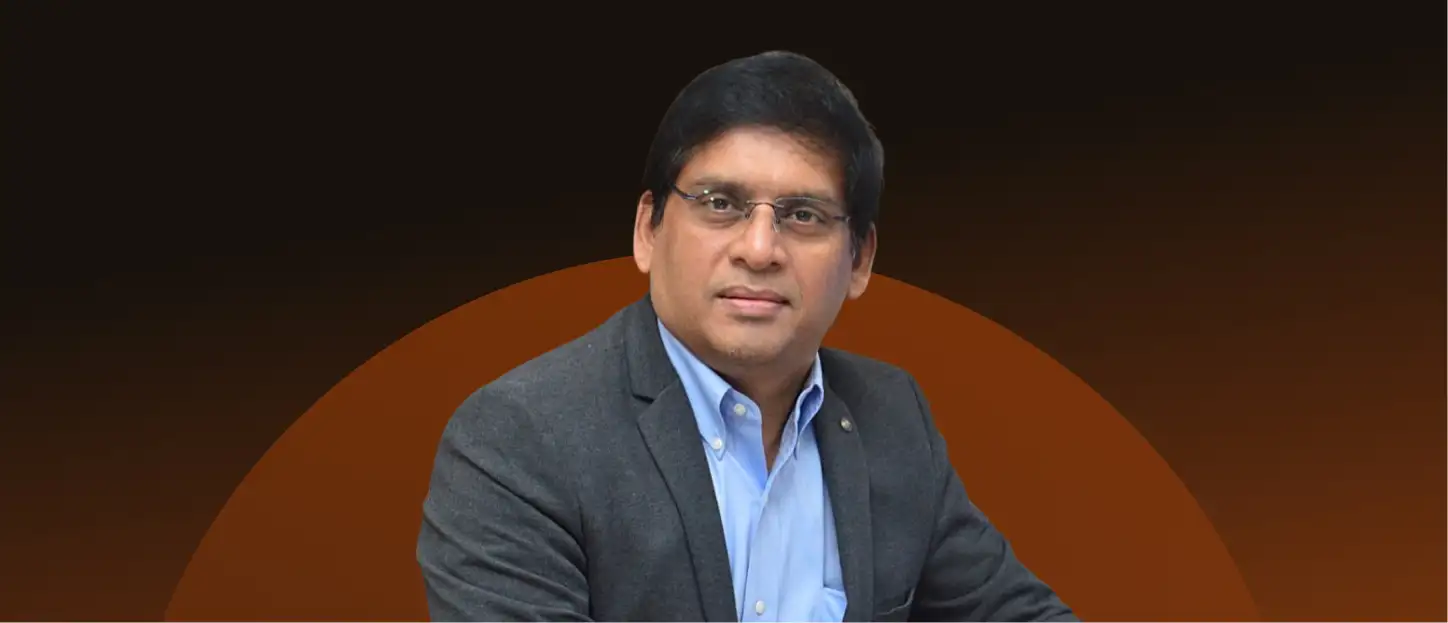
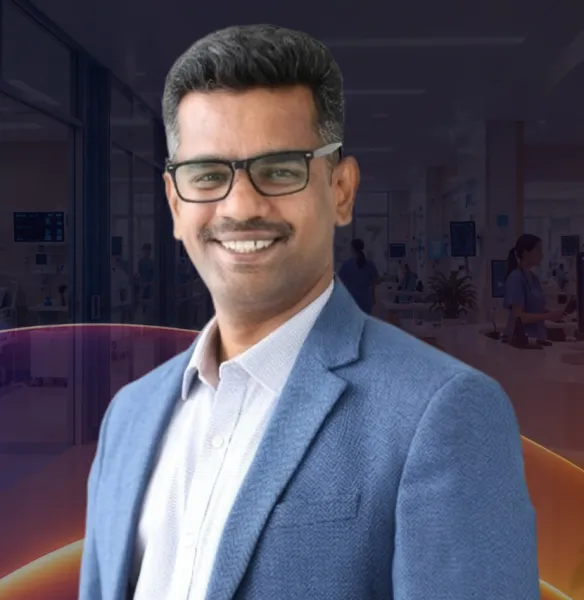
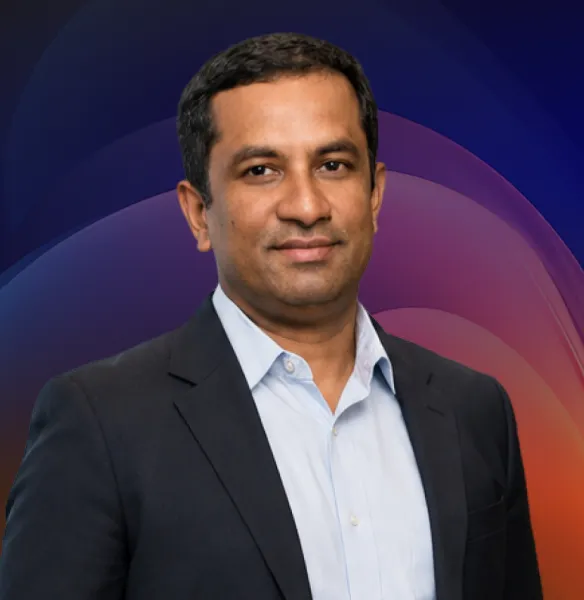
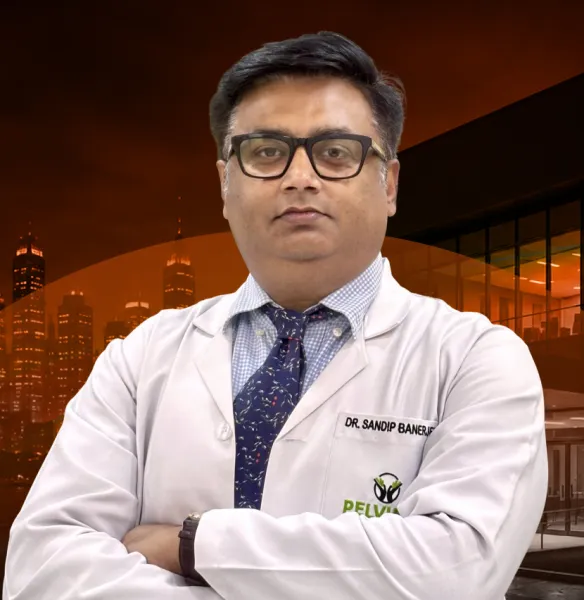
By - Dr Natesh B, COO, Frontier Lifeline Hospital, Chennai
The start of this decade was a scramble for survival, but as we stand in early 2026, we are seeing the blueprint for a revolution. In Chennai’s healthcare boardrooms, the conversation has changed. We are no longer asking if we should use technology; we are focusing on how to use it to spend more time with our patients and less time on our screens.
Chennai has always been the "Health Capital of India," known for clinical firsts. However, the next five years will be defined by how we use digital tools to make care more personal, proactive, and accessible to every resident.
1. Your Health ID: The End of the Paper Trail
For years, a patient's medical history was a fragmented puzzle scattered across various paper files and disconnected systems. Being a patient often meant carrying a thick plastic folder of blood reports and X-rays everywhere you went. If you moved from a small clinic in Anna Nagar to a large hospital in Teynampet, you often had to start your history from scratch.
In 2026, the Ayushman Bharat Digital Mission (ABDM) became the "operational backbone" of our healthcare system. With the rise of the Unified Health Interface (UHI) in Chennai, your records, scans, prescriptions, and lab results are now instantly available via your ABHA ID. This isn't just a convenience; it is a clinical safety net that reduces medical errors and stops the need for repeating the same expensive tests.
2. Bringing Back the Human Touch to Every Visit
The biggest problem with early digital tools was the "time drain" they put on doctors. Clinicians often spend more time clicking boxes on a screen than looking at the person sitting in front of them.
By 2027, we will see Ambient Clinical Intelligence (ACI) become standard in our OPDs. AI-powered "scribes" will listen to the consultation and write the clinical notes in real-time. This allows the doctor to return to the heart of medicine: eye contact, a thorough physical examination, and a real conversation. Paradoxically, technology will be the very tool that brings the "heart" back to the bedside.
3. The "Phygital Hospital"
Chennai’s hospital infrastructure is world-class, but our physical beds will always be a finite resource. We cannot simply keep building new towers to meet the growing demand. The solution is the "Phygital" model, a blend of physical excellence and digital reach.
Over the next three years, we will perfect the use of Virtual Wards. Using advanced sensors and remote monitoring, we can manage stable chronic cases, like diabetes or recovery from heart surgery, right from a patient’s home in Adyar or OMR. Smart command centres will monitor these "home-beds" 24/7, alerting a human nurse only if a patient’s vitals cross a safety threshold. This "Hospital Without Walls" is the only way to manage the rising burden of disease without exhausting our physical space.
4. Digital Twins & Predictive Critical Care
Right now, healthcare is mostly "reactive," we wait for a patient to feel pain or for a machine to beep before we act. By 2030, Chennai’s elite hospitals will be "proactive".
We are moving toward Digital Twins, which are virtual replicas of a patient’s physiological state. In high-risk ICUs, these virtual models will run "what-if" simulations, allowing doctors to predict a cardiac event or a drop in oxygen hours before it actually happens. This means the "Golden Hour" will be managed by algorithms before a crisis even occurs.
5. Training a "Digital-First" Workforce
A system is only as good as the people operating it. As we introduce these tools, the next five years will require a massive shift in how we train our nurses, technicians, and administrative staff.
Digital health is not about replacing humans; it is about empowering them. We must ensure our teams are "digitally fluent," meaning they can use these tools to reduce their own stress and improve patient safety. Upskilling our workforce will be the bridge that turns a fancy software package into better clinical outcomes for the people of Chennai.
6. The Challenge: Data Privacy as a Clinical Standard
As we embrace this future, we must respect the Digital Personal Data Protection (DPDP) Act. In the coming years, data privacy will not just be a legal hurdle; it will be a clinical standard as vital as sterilization is in an operating theatre.
Protecting a patient's digital footprint, their private health information, is now synonymous with protecting their life. Hospitals that lead in privacy will earn the greatest trust from the public.
Conclusion
The Chennai Edge Chennai has always been a city of clinical "firsts". Our advantage lies in our ability to "leapfrog," to take the best global technology and adapt it to our high-volume, cost-sensitive environment.
The next five years won't be about who has the most expensive servers. They will be about using bits and bytes to give our clinicians more time, our patients more dignity, and our healthcare system more resilience. The future of digital health in Chennai isn't just digital; it is deeply, fundamentally human.
Disclaimer: This is an authored article, DHN is not liable for the claims made in the same.
Stay tuned for more such updates on Digital Health News
Follow us