



PGI to Launch Smart App with QR-Based Patient ID, Readies INR 987 Cr Infra Boost
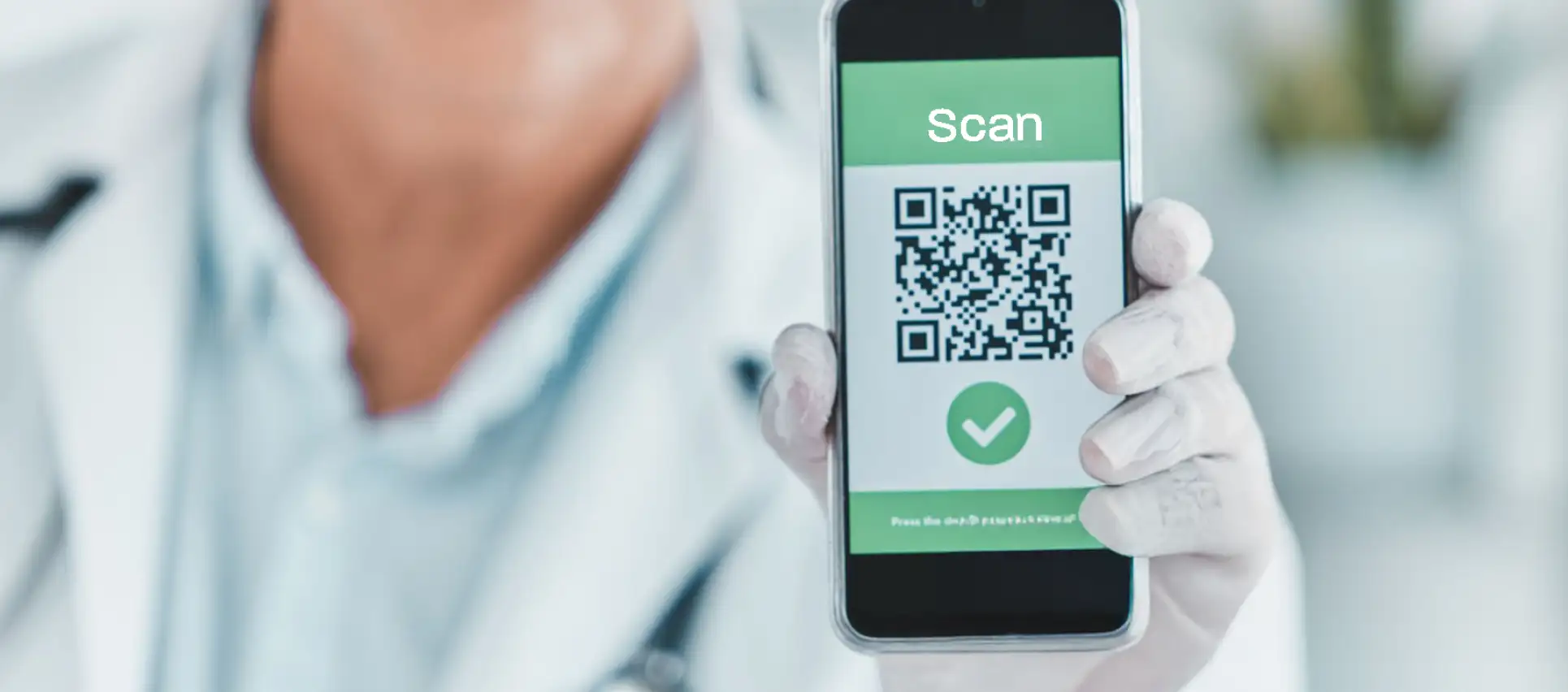
It will allow patients to scan a QR code to generate tokens, receive real-time directions to OPD rooms, and access information in multiple languages, including Punjabi, Hindi, and English.
In a bid to digitize patient care and improve hospital navigation, PGIMER Chandigarh is all set to roll out a mobile app offering features like QR-based patient identification, digital queue tokens, real-time indoor navigation, and multilingual support.
The app is being developed by CDAC Mohali and will initially be launched as a pilot for Nehru Hospital OPD patients before scaling to other departments.
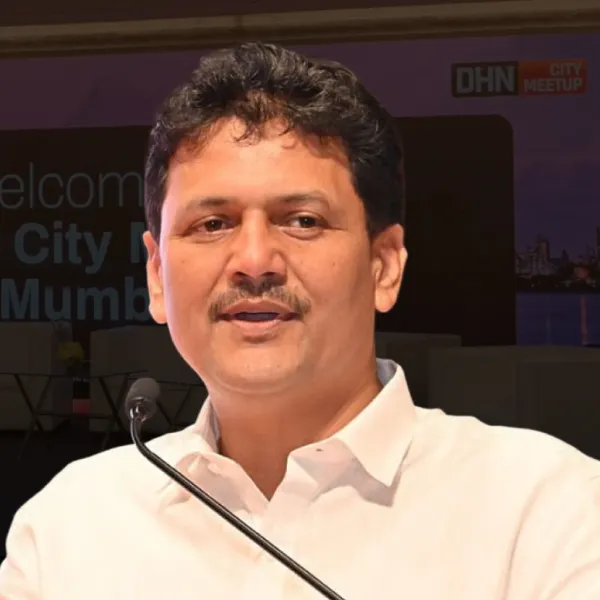
“This app will transform how we serve our patients and manage hospital systems. It is designed to make hospital visits smoother, more efficient, and patient-friendly,” said Dr Vivek Lal, Director, PGIMER.
The new app is designed to bring convenience, especially for the elderly and first-time patients, by reducing confusion and making navigation seamless. It will allow patients to scan a QR code to generate tokens, receive real-time directions to OPD rooms, and access information in multiple languages, including Punjabi, Hindi, and English.
Officials say the QR-based identification feature will also help streamline patient records and reduce delays in registration.
The app is part of PGIMER’s broader digital health mission, aligning with national goals to enhance healthcare delivery using smart tech.
The institute has already made strides in its digital overhaul. The Hospital Information System (HIS) has been fully digitized, with processes like indenting and medicine procurement under Ayushman Bharat now managed completely online. The institute also plans to roll out scan-and-share bill payments and digital payment systems soon.
INR 987 Cr Infra Push Underway
Dr. Lal also spotlighted PGIMER’s robust infrastructure pipeline, led by the INR 987 Cr Sarangpur satellite center, which will house a new 100-seat medical college, modern OPDs catering to 16,000 patients, and a 200-bed emergency block.
Upcoming additions include:
- An all-weather swimming pool for staff and students
- A trolley way to ease patient transfers between high-traffic blocks
- A new doctors’ cafeteria on A Block’s fourth floor.
“When opened in July 1987, it had 10 seats and till now that has not changed. We are now going to have a new cafeteria with many amenities,” Lal shared.
To manage rising patient volumes, especially in emergency and trauma care, PGI will also recruit 300 ex-servicemen through outsourcing over the next few months to bolster campus security. Additionally, 82 new faculty members have been recruited as per DoPT norms, including EWS reservation, reinforcing PGIMER’s commitment to transparency and merit-based hiring.
Lal also highlighted Project Sarathi, PGIMER’s flagship NSS-led patient navigation initiative. With 6,400+ active volunteers across 34 states, it’s now being scaled to 1,467 hospitals nationwide via MyBharat.gov.in, cementing PGIMER’s leadership in youth-driven compassionate care.
The institute’s commitment to affordable care remains strong, with nine AMRIT stores handling 85% of all medicine sales on campus. A new AMRIT Pharmacy is also coming up near the Emergency Block to ensure uninterrupted supply under Ayushman Bharat and PMJAY.
Additionally, the OPD of the Advanced Neurosciences Centre will be operational in three months. While an AI-enabled MRI machine proposal is under budget review, equipment for the Mother and Child Centre is already procured, with 92% of the work done and operations likely to start early next year.
The Sangrur Satellite Centre now offers dialysis, cancer treatment, gynaecological and gallbladder surgeries, and knee replacements, with a dedicated bus stop for better access.
Stay tuned for more such updates on Digital Health News
Follow us