Optimizing Clinical Decision Support: Why Human Expertise Must Drive Digital Antimicrobial Stewardship in Indian Hospitals

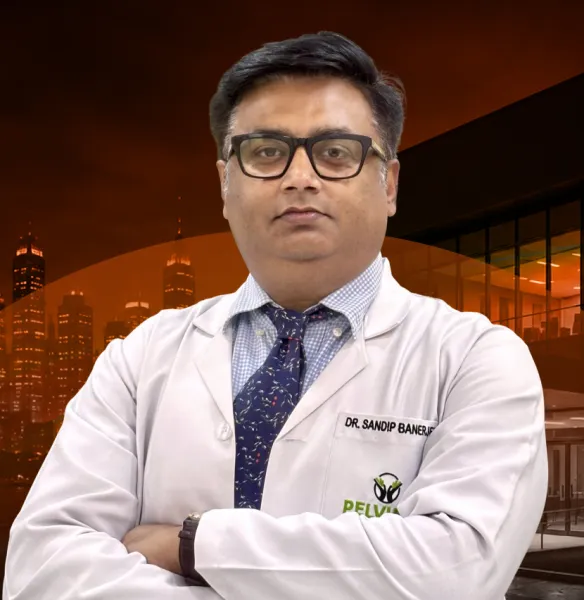
By Dr. Tabish Ahmed, Consultant Pharmacologist, Sushrut Hospital and Research Centre, Chembur, Mumbai, Maharashtra.
India’s public and private healthcare sectors are undergoing a rapid digital transformation. From the national expansion of Electronic Health Records (EHRs) under the Ayushman Bharat Digital Mission (ABDM) to the integration of Clinical Decision Support Systems (CDSS) in Intensive Care Units (ICUs), technology is reshaping clinical workflows. Is this digital evolution really more necessary than combating Antimicrobial Resistance (AMR), which is currently the most public health threat facing our health care system?
Digital health tools, such as automated antibiograms, artificial intelligence (AI)-driven prescribing algorithms, and electronic antimicrobial stewardship program (AMSP) surveillance software, have great potential to monitor the use of broad-spectrum antibiotics. However, as hospitals across India digitize their clinical workflows, a fundamental operational truth is emerging: algorithms alone do not cure patients, nor do automated alerts independently stop drug resistance.
To prevent Antimicrobial Resistance and optimize healthcare expenditure, digital clinical decision-support technologies must be paired with dedicated, bedside clinical expertise.
The Limits of Automated Stewardship
Clinical Decision Support Systems (CDSS) excel at processing vast quantities of data. They can flag drug-drug interactions, signal abnormal laboratory values, and issue real-time alerts when reserve antibiotics, such as Meropenem, Vancomycin, or Colistin, are prescribed without knowledge of clinical necessity and the patient's clinical condition.
Yet, software inherently lacks context. Digital algorithms cannot evaluate complex, fluctuating patient dynamics at the bedside, such as acute kidney injury requiring rapid dynamic dosing, variable organ clearance in septic shock, or nuanced risk-benefit balances in multimorbid geriatric inpatients.
When hospitals use only automated pop-ups, with no human intervention, prescribers soon develop “alert fatigue.” Sometimes busy physicians work in high-pressure environments with intense inpatient volumes and simply skip the automated warnings of the software. Without a specialized clinical partner to interpret digital data and translate software alerts into actionable bedside care, expensive CDSS software risks becoming little more than ignored administrative noise.
The Human Bridge: Clinical Pharmacologists as Tech Operators
This is precisely where Pharm.D. trained Clinical Pharmacologists serve as the vital operational bridge between digital systems and patient care.
As specialized experts in pharmacokinetics, therapeutic drug monitoring (TDM), and rational drug therapy, Clinical Pharmacologists act as the primary human operators of CDSS platforms:
● Real-Time AMSP Auditing: Instead of passive data logging, Clinical Pharmacologists analyze real-time digital surveillance data to conduct daily ward-level antibiotic audits.
● Precision Dose Optimization: They utilize digital TDM software to calculate exact organ-adjusted dosages, preventing therapeutic failure and drug toxicity.
● De-escalation & IV-to-Oral Switches: By interpreting electronic microbiology feeds alongside patient clinical progress, they actively guide prescribers to de-escalate broad-spectrum empiric therapy to targeted agents or transition patients from IV to oral regimens.
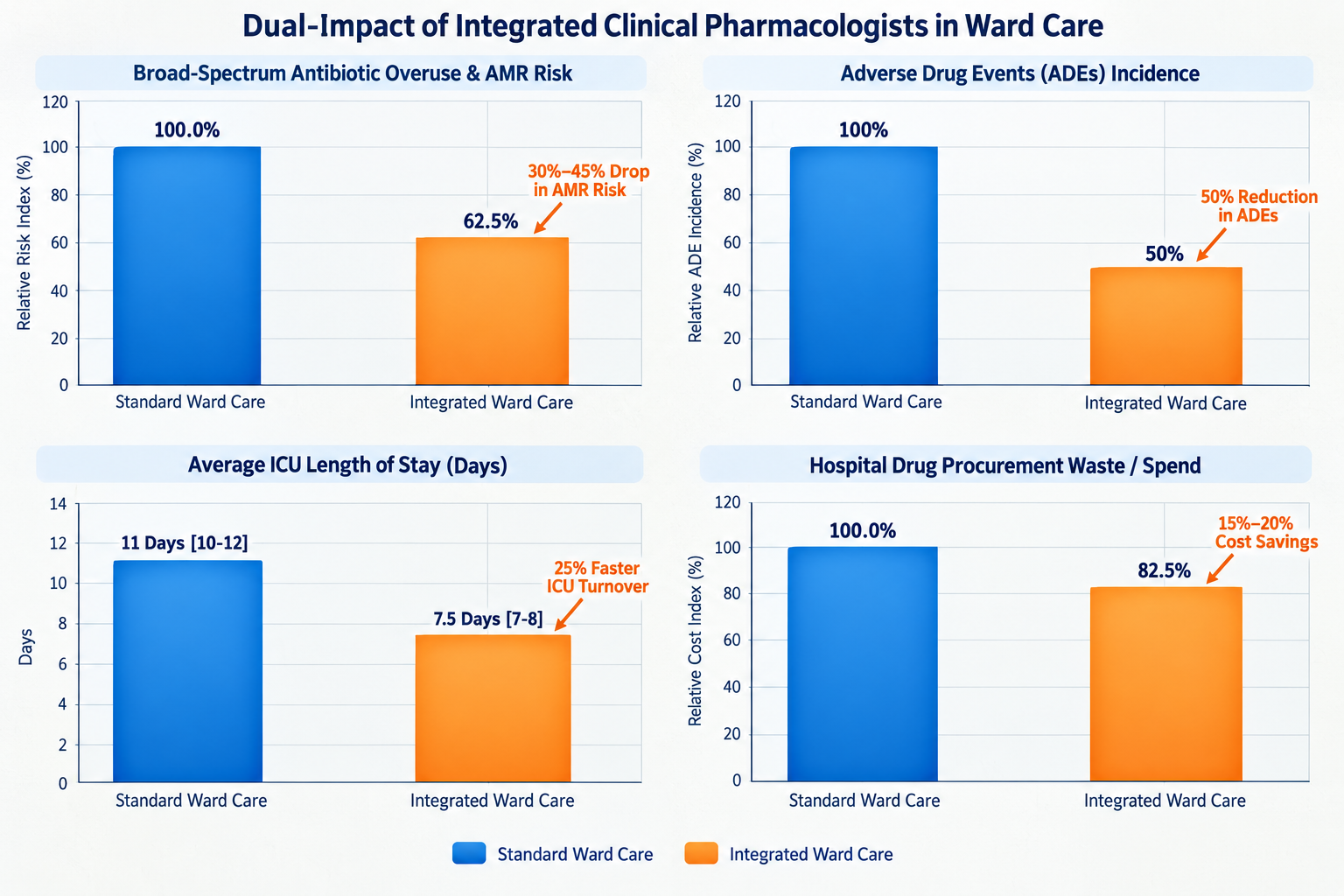
When digital decision-support tools are operated by dedicated clinical pharmacologists, international and domestic data consistently show a dramatic impact: broad-spectrum antibiotic overuse drops by up to 37%, preventable adverse drug events (ADEs) are reduced by half, ICU length of stay is shortened, and institutional drug procurement waste is significantly curtailed. (See Key Metric Comparison chart).
The Policy Bottleneck: Bridging Paper Frameworks to Bedside Practice
India possesses the necessary regulatory groundwork. The Pharmacy Council of India (PCI) explicitly defined the clinical roles and patient-care duties of Pharm.D. Clinical Pharmacologists through statutory Pharmacy Practice Regulations.
However, a critical executive bottleneck persists: public and private health systems lack sanctioned physical posts for Clinical Pharmacologists in hospital wards.
State and central healthcare budgets invest heavily in digital health infrastructure, cloud databases, and software licenses. Yet, without allocating sanctioned physical designations for Clinical Pharmacologists, health systems leave their digital investment underutilized. Technology provides the data, but human clinical specialists must deliver the intervention.
The Way Forward
Digital Health News and the broader healthtech ecosystem rightfully celebrate technology's power to modernize medicine. But as India builds a tech-driven healthcare future, policy leadership must recognize that digital tools are force multipliers, not replacements for clinical expertise.
The Ministry of Health and Family Welfare (MoHFW), State Health Departments, and hospital leadership must urgently approve official physical posts for Clinical Pharmacologists in public and private hospitals to maximize the Return on Investment (ROI) of digital health platforms and successfully rein in AMR.
By pairing cutting-edge Clinical Decision Support Systems with sanctioned bedside Clinical Pharmacologists, India can build a resilient, safe, and fiscally sustainable healthcare system that leads the global fight against Antimicrobial Resistance.
Stay tuned for more such updates on Digital Health News
Follow us