NTU Develops AI Biochip to Detect Disease Biomarkers in 20 Minutes
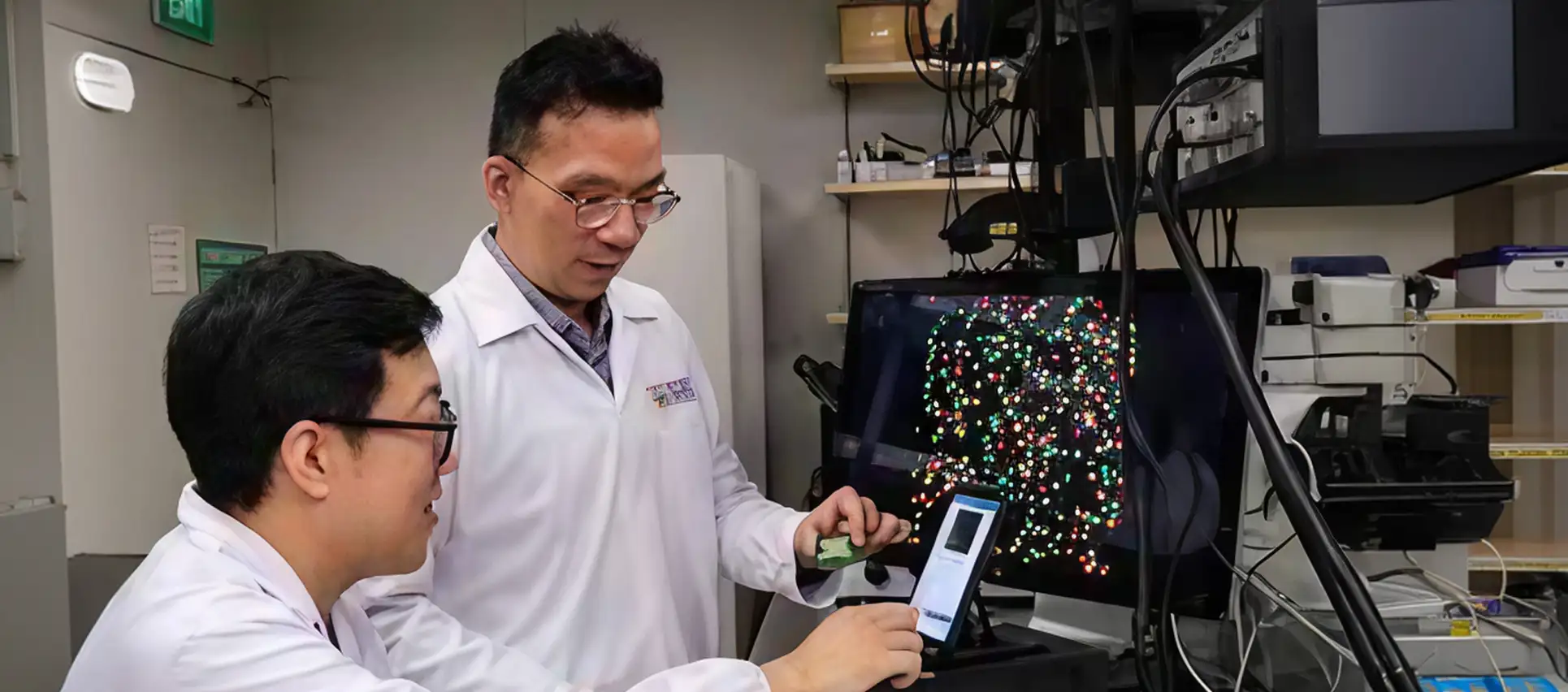
The system integrates a nanophotonic chip with AI-based image analysis to identify and classify thousands of microRNA signals from a single biological sample in approximately 20 minutes.
Scientists at Nanyang Technological University (NTU), Singapore, have developed an artificial intelligence-enabled biochip capable of rapidly detecting microRNA biomarkers, significantly reducing the time required for molecular analysis.
The system integrates a nanophotonic chip with AI-based image analysis to identify and classify thousands of microRNA signals from a single biological sample in approximately 20 minutes. MicroRNAs are small molecules linked to various diseases, including cancer, making their detection critical for early diagnosis and monitoring.
According to the university, the platform uses deep learning algorithms to automate detection and analysis, minimizing reliance on conventional polymerase chain reaction (PCR)-based amplification methods and manual interpretation. This approach is expected to streamline workflows and reduce processing time in diagnostic settings.
Researchers have also developed a prototype that combines the biochip with a camera and a mobile application to support automated data analysis. This integrated setup allows for real-time processing and interpretation of results without requiring complex laboratory infrastructure.
Findings from early-stage testing have been published in Advanced Materials. The results demonstrated high sensitivity and accuracy in detecting cancer-related microRNA targets, suggesting potential applications in broader disease screening and early detection.
The development comes amid increasing interest in AI-driven diagnostic technologies that can deliver faster and more scalable testing solutions. By combining nanophotonics with machine learning, the NTU system aims to improve the efficiency of biomarker detection while maintaining precision.
The researchers indicated that further validation and development will be required before large-scale clinical deployment, but the current prototype highlights the potential of integrating AI with advanced sensing technologies for next-generation diagnostics.
Stay tuned for more such updates on Digital Health News
Follow us