India Launches First Indigenous CAR-T Cell Therapy NexCAR19 for Blood Cancer Treatment
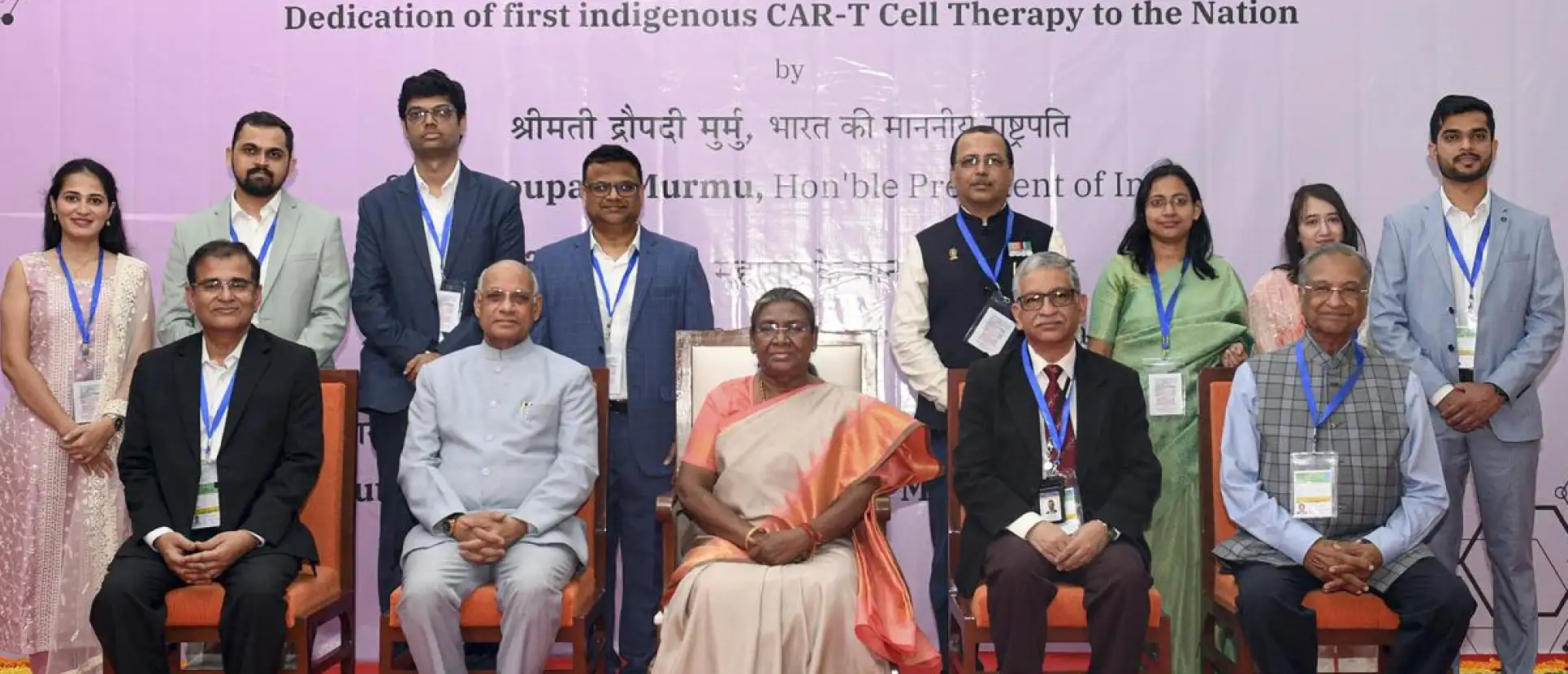
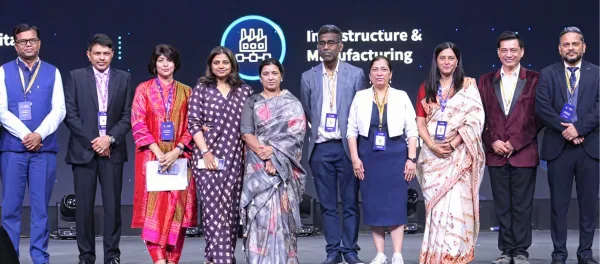
The therapy was presented during the Emerging Science, Technology & Innovation Conclave (ESTIC) 2025 in Delhi by Prime Minister Narendra Modi, alongside other innovations, including India’s quantum security chip and 25-qubit QPU.
India unveiled its first indigenous CAR-T cell therapy, NexCAR19, developed by ImmunoACT, an IIT Bombay spin-off, marking a significant step in cancer immunotherapy access.
The therapy was presented during the Emerging Science, Technology & Innovation Conclave (ESTIC) 2025 in Delhi by Prime Minister Narendra Modi, alongside other innovations, including India’s quantum security chip and 25-qubit QPU.
Prime Minister Modi highlighted NexCAR19 as a humanised CAR-T therapy developed in India, stating, "This initiative demonstrates the potential of domestic biotechnology to address critical healthcare challenges while adhering to global safety and scientific standards."
CAR-T cell therapy involves reprogramming a patient’s own immune cells to target and destroy cancer cells. NexCAR19 is focused on treating blood cancers such as Acute Lymphocytic Leukemia (ALL), particularly for patients with limited treatment options. Clinical trials conducted at the Tata Memorial Centre (TMC) have shown encouraging outcomes, positioning India among countries developing advanced cell and gene therapies.
ImmunoACT originated from the Society for Innovation and Entrepreneurship (SINE), IIT Bombay, and received initial support through BIRAC’s BioNest initiative, which provided funding, mentorship, and research infrastructure. The first CAR-T clinical trials began in 2021 at ACTREC, Tata Memorial Hospital, targeting pediatric leukemia patients, with ImmunoACT as the manufacturing partner.
Under the Department of Biotechnology’s (DBT) Biomanufacturing initiative within the BioE3 Policy, funding was provided to ImmunoACT to establish a 200L GMP lentiviral vector and plasmid production platform. This setup enables large-scale production using advanced bioreactor technologies, capable of manufacturing gene delivery vectors for up to 1,000 patients annually.
A DBT spokesperson noted, "We aim to promote both early and late-stage translational research in CAR-T and other immunotherapies to develop indigenous solutions for multiple cancers, including multiple myeloma, relapsed or refractory B-cell leukemia, and glioblastoma, while managing therapy-related toxicities."
With NexCAR19, India joins a select group of nations developing advanced cell and gene therapies. The therapy’s development underscores the country’s growing capacity to provide accessible and scientifically rigorous cancer care, setting the stage for expanded immunotherapy research and treatment capabilities in India.
Stay tuned for more such updates on Digital Health News
Follow us