IIT-Madras Develops Cost-Effective, Minimally Invasive Glucose Monitoring Device
The device aims to address the limitations of existing glucose monitoring systems by prioritizing comfort, accessibility, and long-term affordability, while maintaining high accuracy and reliability.
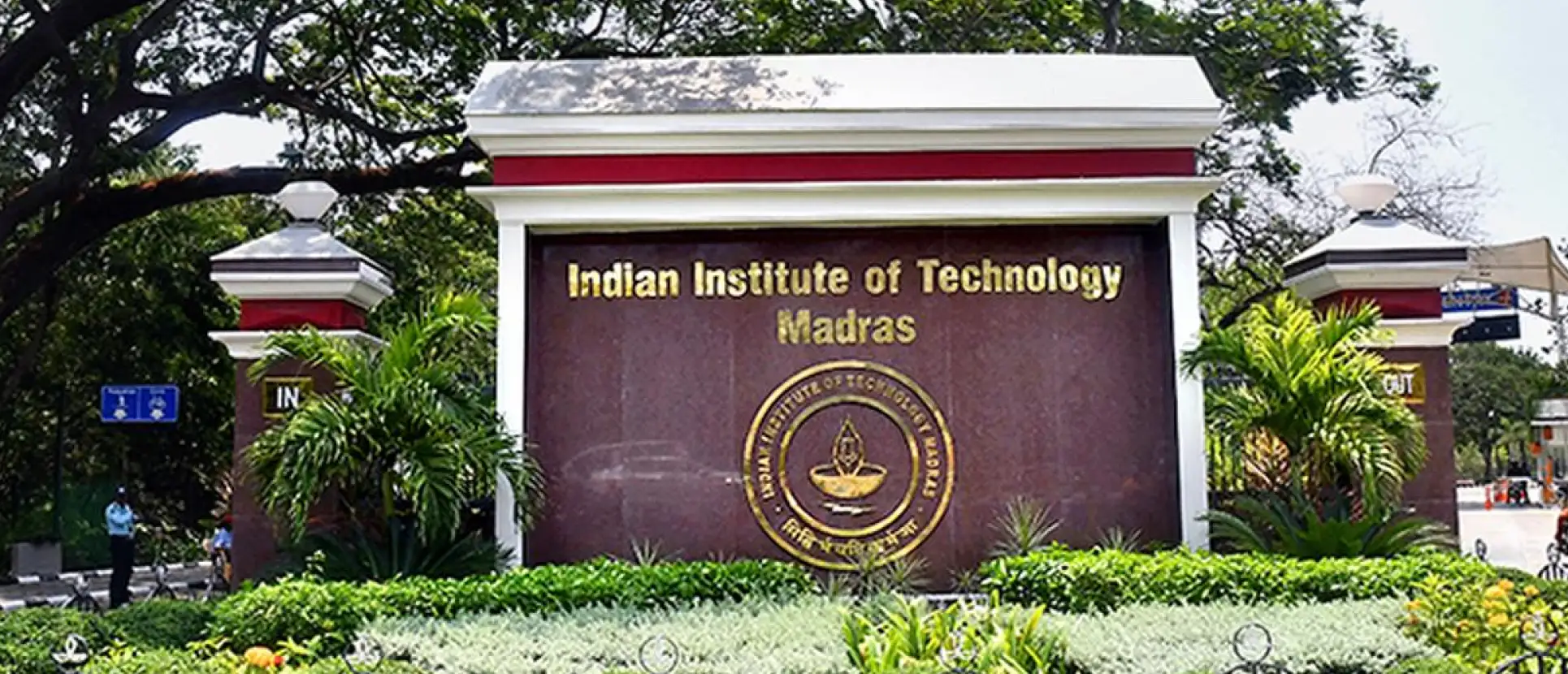
Researchers at the Indian Institute of Technology Madras (IIT Madras) have developed and patented a cost-effective, user-friendly, and minimally invasive glucose monitoring device designed to enhance diabetes management in India.
The device aims to address the limitations of existing glucose monitoring systems by prioritizing comfort, accessibility, and long-term affordability, while maintaining high accuracy and reliability.
According to the Indian Council of Medical Research–India Diabetes (ICMR INDIAB) study published in 2023, about 10.1 crore people in India are living with diabetes. The conventional Self-Monitoring of Blood Glucose (SMBG) method requires multiple daily finger-prick blood samples, which many patients find inconvenient and invasive. While Continuous Glucose Monitoring (CGM) systems provide real-time readings, their widespread adoption remains limited due to high costs and the need for external devices such as smartphones or dedicated readers.
Addressing these challenges, researchers from the Electronic Materials and Thin Films Lab at IIT Madras, led by Prof. Parasuraman Swaminathan, have introduced a modular setup that combines reusable electronics and a low-power display unit with a disposable microneedle sensor patch. These innovations have been formally recognized and protected through multiple patents.
The project was conceived as a practical solution for diabetes monitoring rather than a purely academic initiative. To advance towards commercialization, the team has adopted a three-pronged approach:
A start-up has been established at the IIT Madras Research Park to refine the device, conduct clinical trials, and facilitate its market entry. The location provides access to prototyping facilities, regulatory advisors, and investor networks. In parallel, researchers are in talks with established medical device manufacturers to transfer the technology for large-scale production and distribution. The project has also attracted interest from external organizations for strategic licensing opportunities.
Stay tuned for more such updates on Digital Health News
Follow us