IISc Bengaluru Develops Semiconductor Chip for Real-Time Biomedical Signal Processing
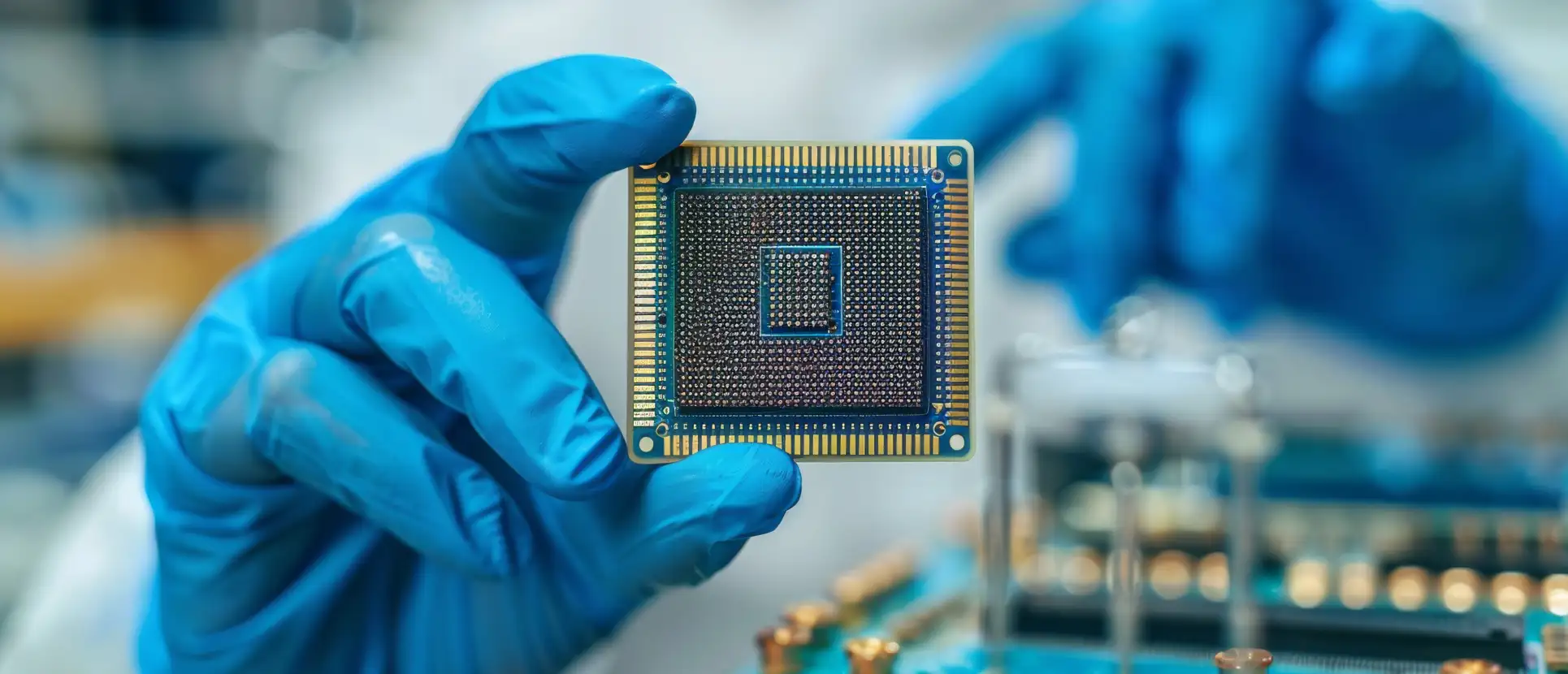
The chip performs on‑device signal processing, improving speed, accuracy, in portable and wearable medical devices.
In an innovative development for medical technology, researchers at the Indian Institute of Science (IISc), Bengaluru have unveiled a semiconductor chip designed to process biomedical signals in real time.
The IISc‑developed chip performs on‑device signal processing, improving speed and accuracy, in portable and wearable medical devices.
The chip significantly improves the functionality of wearable medical devices, such as ECG and EEG monitors, by enabling immediate signal analysis.
The chip’s primary function is to handle vast amounts of data quickly and efficiently, providing real-time insights into a patient’s health status.
This capability will allow healthcare providers to make quicker, more informed decisions during critical situations, such as emergency care or intensive monitoring.
The technology integrates seamlessly with existing medical devices, enhancing their diagnostic capabilities and minimizing delays between data collection and analysis.
As a result, healthcare professionals can monitor patients more effectively, improving both treatment outcomes and patient safety.
Dr. Anand Bansal, lead researcher at the project, said, “With this semiconductor chip, we are not just making medical devices smarter, but we are also giving healthcare providers the tools to act faster in critical moments. Real-time signal processing is a game changer for patient care.”
The chip’s integration into medical devices could lead to a broad range of applications, from personal health monitoring to large-scale hospital management systems, further driving the advancement of healthcare technology.
This innovation is also expected to lower the cost of monitoring devices, making them more accessible for both healthcare facilities and individual users.
Additionally, the chip can be adapted for use in a variety of medical fields, such as cardiology, neurology, and even wearable fitness devices, enhancing their data processing capabilities.
Looking ahead, the team behind this technology is optimistic about its widespread adoption in medical practices globally, offering a new frontier in patient care and diagnostics.
Stay tuned for more such updates on Digital Health News
Follow us