Swallowable Device Collects Microbial Samples from Small Intestine for Improved Diagnostics
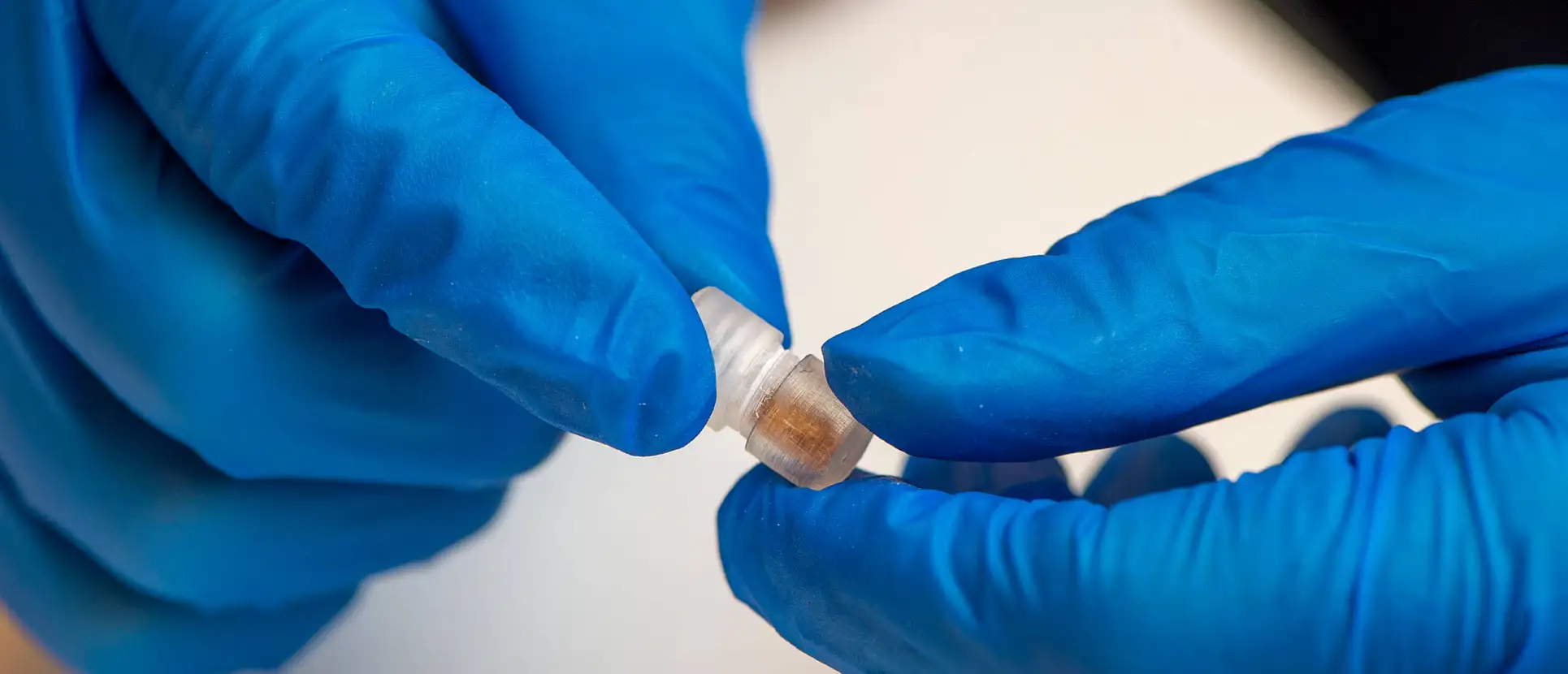
The swallowable device offers a non-invasive way to access microbial populations in the small intestine, providing richer data than stool samples and enhancing the potential for early diagnosis of gut-related diseases.
The Indian Institute of Technology (IIT) Delhi, in collaboration with All India Institute of Medical Sciences (AIIMS), New Delhi, have developed the swallowable device capable of collecting microbial samples directly from the small intestine.
The device, roughly the size of a tiny ingestible pill, travels through the gastrointestinal tract and opens at specific points to capture bacteria from the small intestine, an area that has historically been difficult to sample without invasive procedures.
This capability promises to revolutionize how clinicians study the gut microbiota, which plays a critical role in digestion, immunity and overall health.
Professor Sarvesh Kumar Srivastava, Principal Investigator at IIT Delhi’s Medical Microdevices and Medicine Laboratory, said, “The small intestine is a crucial yet underexplored region of the gut. This ingestible device allows us to access microbial populations in situ, offering a highly detailed view of gut health that stool samples cannot provide.”
Unlike traditional methods such as endoscopy or stool analysis - which either are invasive or fail to accurately reflect microbial communities in the upper gut - this swallowable device collects real-time samples while remaining non-invasive.
Once swallowed, it remains dormant until it reaches the small intestine, where it captures microbial samples and seals them for later analysis after excretion.
By providing direct access to microbial populations in the small intestine, the technology could significantly enhance the diagnosis of gastrointestinal disorders such as Irritable Bowel Syndrome (IBS), Crohn’s disease, and other metabolic conditions linked to microbial imbalance.
Clinicians and researchers believe this tool will not only improve diagnostic accuracy but also spur advancements in gut microbiome research, enabling tailored interventions that could benefit patients with chronic digestive diseases.
As the device moves closer to broader clinical testing and adoption, it represents an important step toward more precise, patient-friendly gastrointestinal diagnostics.
Stay tuned for more such updates on Digital Health News
Follow us