Healthcare IoT in India: How Connected Devices are Improving Patient Care

Healthcare IoT in India: How Connected Devices are Improving Patient Care
Advertisement

A patient who is 68 years old and suffers from diabetes and lives in a Tier-2 town had to travel for two hours to the nearest city-based hospital, spending the entire day getting just one reading of her blood glucose levels. Now, all she needs to do is wear an internet-connected blood glucose meter, which will measure her glucose levels continuously and send that information directly to her doctor’s phone, so he can pick up any warning signs before things get serious, without anyone having to leave their house. The move from the patient travelling to get their information to that information coming directly to the doctor is what IoMT is all about.

What Healthcare IoT Actually Means

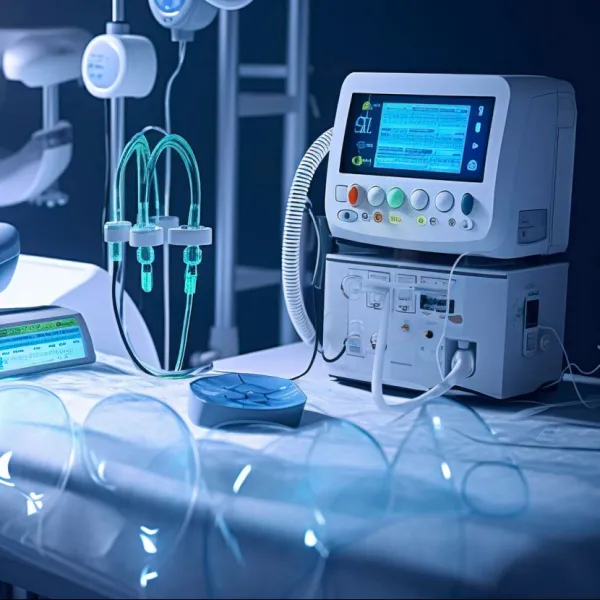
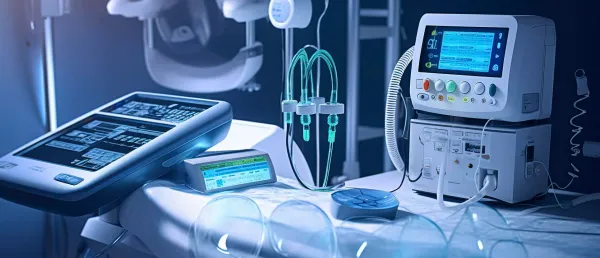
The Internet of Healthcare Things (IoHT), alternatively known as the Internet of Medical Things (IoMT), is made up of the various devices that constantly gather information about the patient and pass it on to the doctors or any app for the purpose. These can range from your watch measuring your heartbeat, a connected inhaler keeping track of your breathing activity, a Bluetooth-enabled blood pressure monitor, to a ventilation machine in the ICU sending all the data collected about the patient through to a central interface. Each device has its own function, but when put together they allow doctors to keep a constant check on the patient’s health condition.

Why It's Gaining Ground in India Specifically

The healthcare industry in India has struggled since its inception with the issue of geography, in which there was a lack of concentration of specialists in a few cities, while the population lived in villages and small towns, where the nearest hospital could take several hours to reach.

The market for healthcare IoT solutions in India is one of the most dynamically developing markets in Asia, demonstrating a faster rate of development than those in other Asian countries, thanks to various programs promoted by the state and private companies, growing use of telemedicine services, and smartphones penetrating even the semi-urban environment. This trend is driven not only by hospitals but by insurance companies, startups providing home care, and device manufacturers.

Where Connected Devices are Already Making a Difference

Remote Patient Monitoring (RPM): People suffering from diabetes, hypertension, and heart diseases today have wearable devices that continuously monitor their vitals and alert when there's an issue, long before there's an emergency. This replaces the old question that the doctor would ask: "How have your vitals been this month?"

Smart Hospitals: In the hospital setting, IoT technologies are making inroads in subtle ways too. From RFID tagging of expensive equipment like ventilators and infusion machines, smart beds alerting nurses when the patients move, and connected medical supplies, which ensure that no medicine goes out of stock.

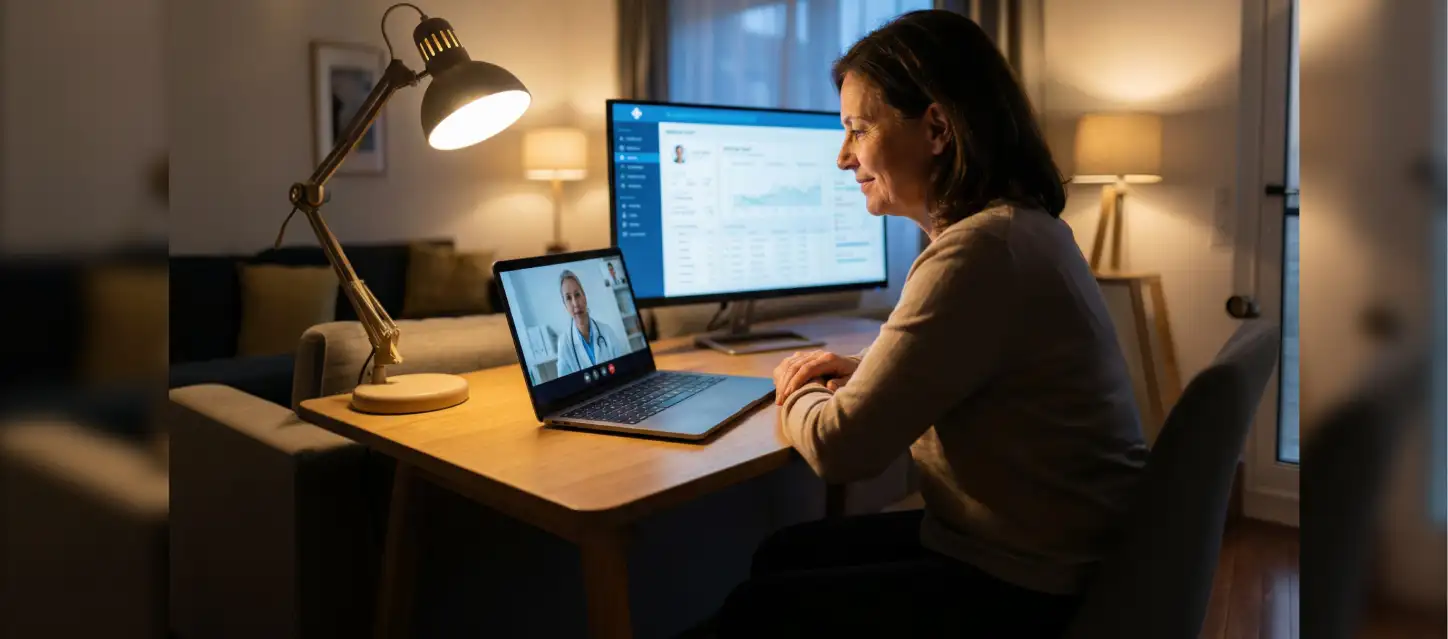
Telemedicine Based on Data: While video consultations alone are good to some point, the doctor does need data. Devices that connect and stream vital information during virtual consultations are enabling doctors to get real-time blood pressure and other vital signs of patients during telemedicine.

Management of Chronic Diseases: With millions of diabetics and hypertensive patients in India, continuous glucose monitors and connected BP cuffs are taking care of these cases from being reactive to being proactive.

The Elderly and Home Care: As many urban Indian families now have their elderly parents living alone or even in a different city, the fall-detection device worn by the patient and the remote monitoring of their vitals are proving to be very useful in ensuring that they remain healthy.

The Numbers Behind the Trend

As per industry estimates, India ranks high in terms of IoT technology uptake in the healthcare sector compared to other Asian-Pacific countries, citing Ayushman Bharat digital health programs and telemedicine technologies in Tier-2 and Tier-3 cities as factors that are propelling its growth. In the global market for IoT technology in the healthcare industry, the growth projection into the early 2030s includes many-fold growth, with remote patient monitoring and home care among the fastest-growing sectors.

The Challenges that Come with It

Connected devices produce useful data indeed, if and only if this data gets to a reliable place in a private manner.

Lack of interoperability: If one manufacturer’s glucose monitor and another manufacturer’s hospital EHR system do not understand each other, here comes the role of standards like HL7 FHIR (that was used to build ABDM). IoT data needs to be transformed to a standard form if it is needed to be clinically useful rather than stored in yet another app that nobody looks at.

Data privacy and security: Continuous health data is sensitive, and each connected device could be an additional entry point for hackers. Data encryption, access control, and secure API - these are just the basic requirements here.

Network coverage in rural areas: IoT devices are as good as the network that carries data produced by them. Poor network connection in remote places could undermine the very people who should benefit from these devices.

Costs: Clinical-grade connected devices are still costly for most Indians; hence, their adoption is observable mainly in cities and hospitals.

Regulatory clarity: Connected health devices fall somewhere between the regulation of information technology and medical devices, since they are neither drugs nor conventional medical devices; hence, India’s regulatory regime for them is yet to develop fully.

Where This is Headed

The path is pretty obvious: healthcare IoT in India is shifting from an auxiliary convenience based on a hospital to a default convenience based on home usage, specifically in relation to chronic diseases and elderly care. As deployment of 5G networks progresses and costs of various devices decline, connected monitoring should become as commonplace as a connected blood pressure device currently is in people’s houses, except that in this case it reports your condition to your physician. The next step in this direction will not be about adding more devices; it will be about linking all these devices into the interoperable ecosystem of medical records that ABDM is currently creating.

As connected devices become a routine part of Indian healthcare, the question is not how to get IoT to monitor patients’ health. The question is whether healthcare organisations and connected device manufacturers will be able to establish an interoperable data format fast enough for a reading taken by a wearable device and the patient’s medical record to become one story rather than two separate stories.

Stay tuned for more such updates on Digital Health News

Follow us

More Articles By This Author


Show All

Sign In / Sign up