Gujarat Biotechnology University Contributes to Nanoparticle-Based Alzheimer’s Research Breakthrough
The nanoparticle-based therapy boosted damaged brain cell survival from around 40–50 per cent to nearly 90 per cent in early studies. The treatment also demonstrated improvements in memory and behaviour during preliminary evaluations.
Indian researchers have reported a breakthrough in Alzheimer’s disease research through the development of a multifunctional nanoparticle-based therapeutic approach that addresses multiple disease mechanisms simultaneously.
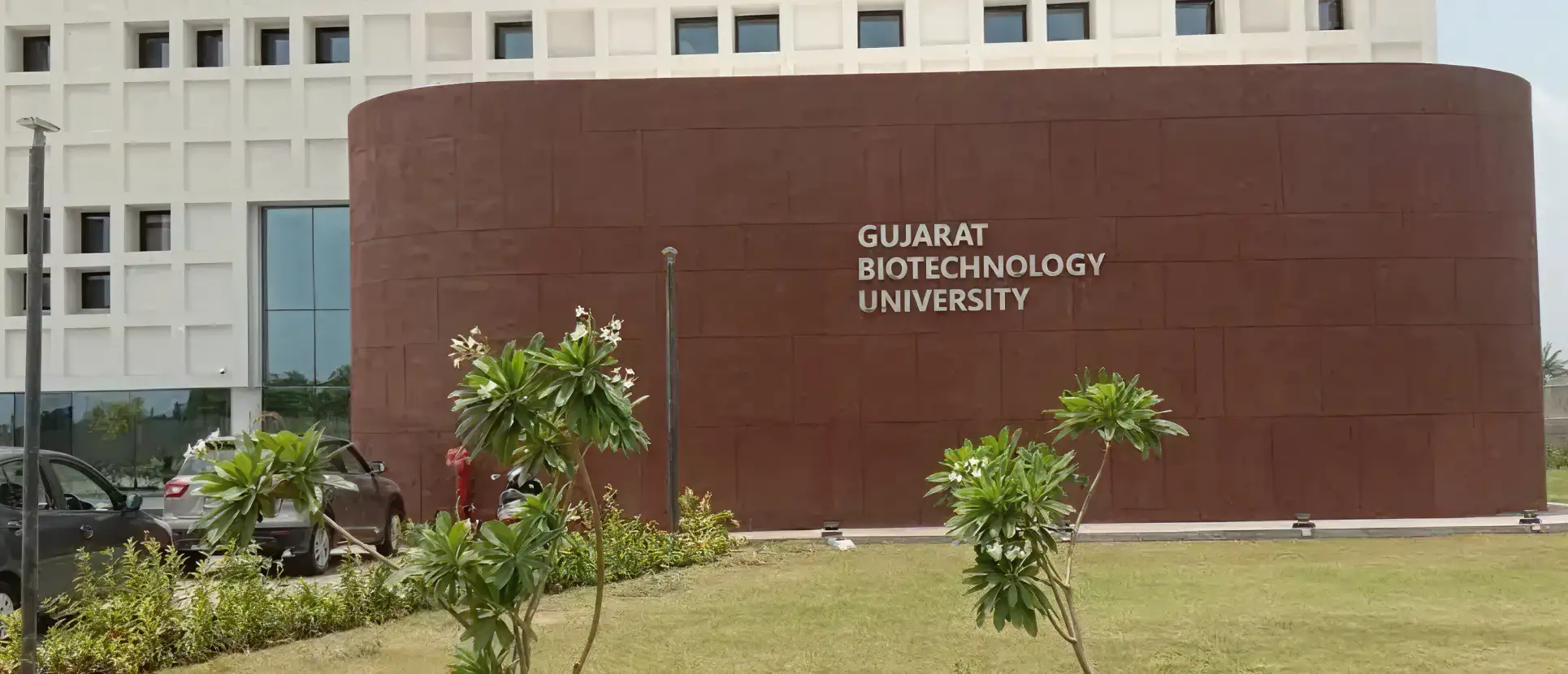
The study involved researchers from the Institute of Nano Science and Technology (INST), Mohali, the National Institute of Pharmaceutical Education and Research (NIPER), Raebareli, and Gujarat Biotechnology University (GBU).
According to the findings, the nanoparticle-based therapy boosted damaged brain cell survival from around 40–50 per cent to nearly 90 per cent in early studies. The treatment also demonstrated improvements in memory and behaviour during preliminary evaluations.
The study, published in the international journal Small, focuses on targeting several contributing factors of Alzheimer’s disease, including toxic protein accumulation, neuronal damage, inflammation, and brain repair. The approach differs from conventional treatments that typically address only a single aspect of the disorder.
As per reports, the new strategy simultaneously targets toxic protein accumulation, neuronal damage, inflammation, and brain repair.
The researchers highlighted that the multifunctional nature of the therapy could open new directions for treating complex neurodegenerative disorders such as Alzheimer’s disease.
Stay tuned for more such updates on Digital Health News
Follow us