Gleneagles Hospital Rolls Out AI-Based Hub-and-Spoke Stroke Model to Accelerate Care

The model integrates diagnostic centres in locations such as Ghatkopar, Mulund, and Panvel with the hospital’s central stroke team, ensuring that scans indicating a possible stroke trigger instant alerts to neurologists and interventional specialists.
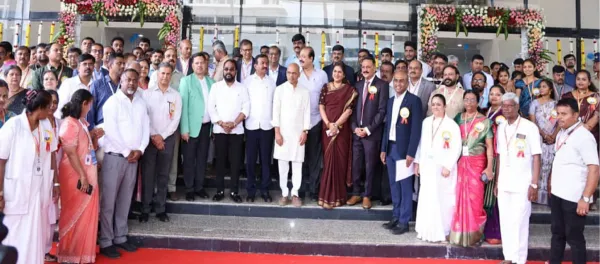
Gleneagles Hospital in Parel, Mumbai, has launched an AI-based Hub-and-Spoke stroke model that links diagnostic centres across the city directly to its stroke team, allowing suspected strokes to be detected and acted on in real time, reducing treatment delays and improving patient recovery.
The model integrates diagnostic centres in locations such as Ghatkopar, Mulund, and Panvel with the hospital’s central stroke team, ensuring that scans indicating a possible stroke trigger instant alerts to neurologists and interventional specialists.
Stroke, which occurs when blood flow to the brain is blocked or a blood vessel ruptures, is a leading cause of death and disability in India. High blood pressure, diabetes, heart disease, smoking, and high cholesterol are common risk factors.
Dr Nitin Dange, Director, Interventional Neurologist and Neurosurgeon, Gleneagles Hospital Parel, explains, "Gleneagles Hospital has taken the initiative of launching an AI-based Hub-and-Spoke stroke model to address the growing burden of stroke cases and the delays we commonly see in treatment. For the past six months, we have installed this AI software at selected diagnostic centres offering CT scan and MRI services in Mumbai and Navi Mumbai areas such as Ghatkopar, Mulund, and Panvel (and which other areas). The moment a scan suggests a stroke, the software automatically identifies whether it is a bleeding stroke or a blockage stroke, estimates the time of onset, and sends instant alerts to our stroke team on their mobile phones. This allows us to act immediately.
“In cases of blockage stroke, if the patient is within the 4.5-hour golden window, we can even start thrombolysis on the way while shifting the patient to our hospital for advanced procedures like mechanical thrombectomy. Till now, we have treated 3-4 patients so far under this model, all have shown good recovery. With more awareness and more diagnostic centres joining this network, many more stroke patients can receive life-saving treatment on time," he added.
Dr Bipin Chevale, CEO, Gleneagles Hospital Parel, adds, "This Hub-and-Spoke model is not just about technology; it is about saving time, brain function, and lives. By connecting diagnostic centres directly with our stroke specialists, we are ensuring that no patient loses crucial minutes due to confusion or delays. Our vision is to expand this network and collaborate with more centres so that early diagnosis leads to immediate treatment. With the rising incidence of stroke, such integrated care models will play a vital role in improving outcomes and creating greater public awareness."
The AI-enabled Hub-and-Spoke network enables diagnostic centres to play an active role in stroke care. By sending real-time alerts to specialists, the hospital can make faster clinical decisions, optimize resource use, and maximize the crucial 4.5-hour treatment window.
Stay tuned for more such updates on Digital Health News
Follow us