Gates Foundation Sets $9 Bn Healthcare-Heavy Budget for 2026, Plans Staff Reductions
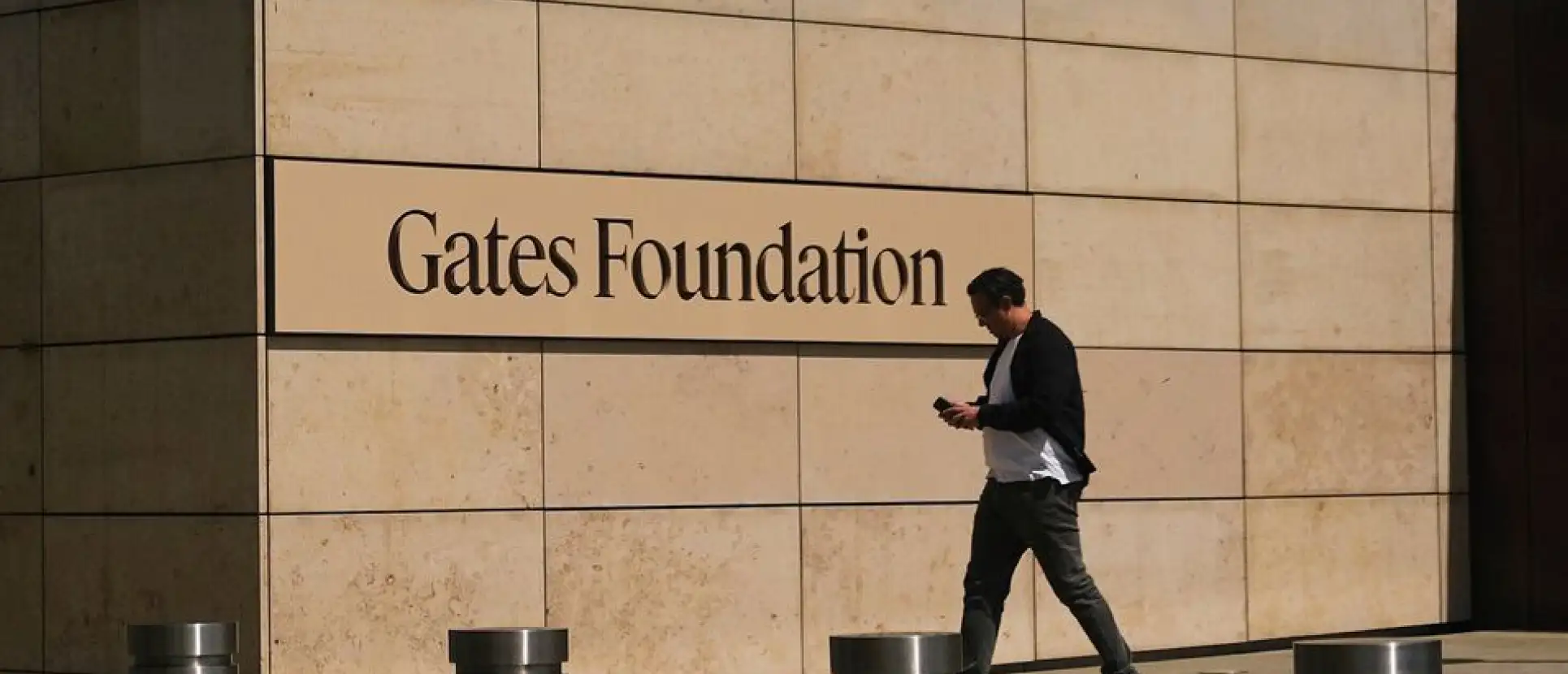
The budget, the largest in the foundation’s history, was approved by its board this week and follows the organization’s 2025 decision to wind down operations by 2045.
The Gates Foundation has approved a record $9 billion budget for 2026, significantly increasing funding for global health and healthcare-related programs, while announcing plans to reduce its workforce by as many as 500 positions over the next five years.
The budget, the largest in the foundation’s history, was approved by its board this week and follows the organization’s 2025 decision to wind down operations by 2045. Bill Gates has said the foundation will spend approximately $200 billion over the next 20 years as it accelerates grantmaking before closing.
A substantial portion of the expanded 2026 budget will be directed toward healthcare priorities, including women’s health, vaccine research and development, polio eradication, maternal and child health, and infectious disease prevention. The foundation has cited growing global health pressures following reductions in humanitarian and public health funding by the United States and other governments.
According to the foundation, recent setbacks have underscored the need for increased philanthropic investment. In a blog post published earlier this month, Bill Gates noted that global child deaths rose from 4.6 million in 2024 to 4.8 million in 2025, marking the first increase this century. He said the foundation plans to scale up funding for lifesaving interventions over the coming years.
Alongside higher program spending, the foundation’s board approved a cap on operating expenses at $1.25 billion, or roughly 14% of the total budget. Operating costs include staffing, salaries, facilities, infrastructure, and travel. To meet the cap, the foundation plans to reduce its workforce from the current 2,375 employees by up to 500 roles by 2030, including unfilled positions.
Foundation CEO Mark Suzman said the staff reductions would be implemented gradually and reviewed annually. He added that without intervention, operating expenses were projected to rise to nearly 18% of the foundation’s budget by the end of the decade.
The foundation is also reorganizing parts of its healthcare operations. It recently announced the creation of a new Africa and India Offices Division, with some HIV and tuberculosis programs shifting from Seattle headquarters to regional offices. As part of that transition, staffing levels in certain disease-focused teams in the U.S. will be reduced.
Artificial intelligence remains another healthcare-adjacent priority area. While warning about potential misuse and labor disruption, Gates has supported AI investments aimed at public health, healthcare delivery, and frontline services. AI-related grantmaking is expected to expand within the foundation’s portfolio.
Despite plans to close in 2045, foundation leadership has emphasized that the next two decades will involve intensified healthcare-focused spending, with adjustments to grant sizes and program priorities as global health needs evolve.
Stay tuned for more such updates on Digital Health News
Follow us