Fortis Hospital Noida Deploys O-arm 3D Imaging System to Enhance Surgical Precision
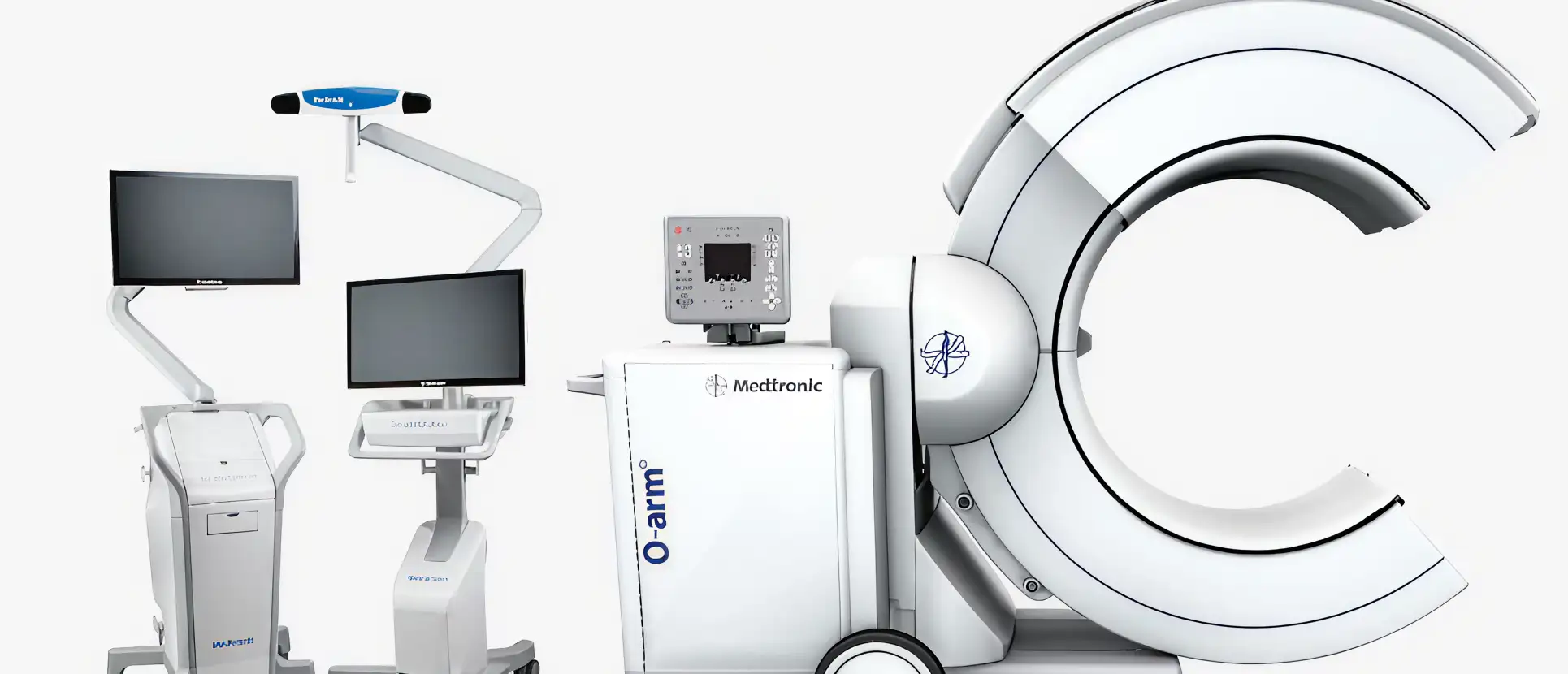
The hospital stated that the system allows surgeons to visualise bones, implants, and devices such as screws, plates, rods, and catheters with exceptional accuracy.
Fortis Hospital Noida has implemented the ‘O-arm’ intra-operative X-ray system to provide real-time, high-precision 3D imaging during surgical procedures.
The hospital stated that the system allows surgeons to visualise bones, implants, and devices such as screws, plates, rods, and catheters with exceptional accuracy. At the same time, the patient remains positioned within the circular scanner for a full spine scan.
The hospital highlighted that the technology supports minimally invasive procedures, shortens operation time, and lowers radiation exposure for patients and surgical teams. When integrated with neuro-navigation, the O-arm functions as a GPS inside the body, facilitating implant placement with 99.9 per cent accuracy.
“Smaller incisions, minimal muscle injury, and reduced surgical trauma are expected to contribute to faster recovery and a lower risk of post-operative infection,” the hospital noted. The technology will enhance precision during complex surgical procedures and improve patient post-operative outcomes.
According to the hospital, the O-arm system is particularly beneficial for spinal surgeries, where precise placement of implants is critical. By providing 3D visualisation in real-time, surgeons can adjust procedures as needed, potentially avoiding complications arising from traditional imaging techniques.
The system also supports workflow efficiency in the operating theatre. By reducing the need for repeated imaging and providing immediate feedback on implant placement, the O-arm helps minimize procedure time and the cumulative radiation dose for patients and medical staff.
The hospital’s adoption of the O-arm aligns with broader trends in surgical care, where advanced imaging tools are increasingly used to support minimally invasive interventions and enhance clinical outcomes. The technology is expected to improve patient safety and accelerate post-surgical recovery.
Stay tuned for more such updates on Digital Health News
Follow us