
FDA Issues New Guidance on Wearables & AI-Enabled Wellness Devices
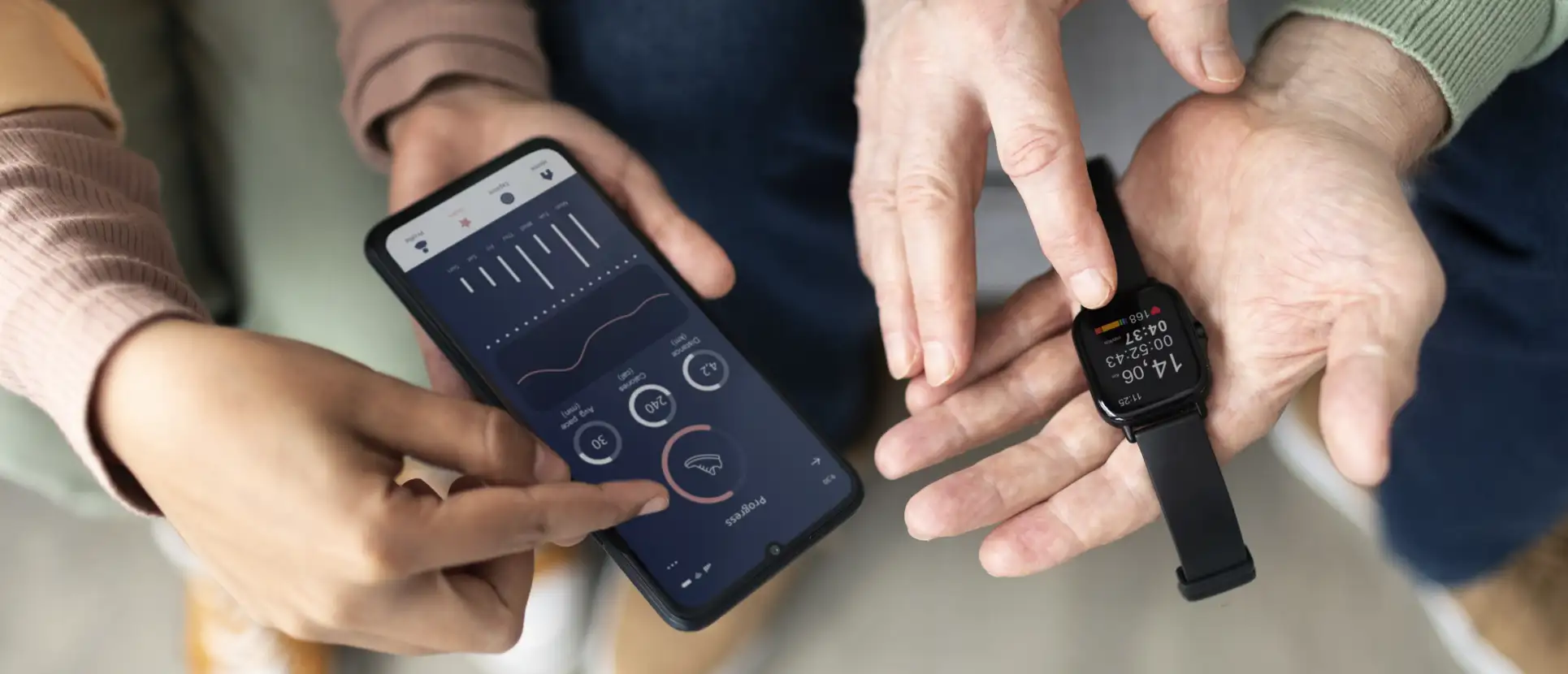
The FDA has also issued broader warnings to consumers about the risks associated with unauthorized devices, reiterating the need for clear distinctions between wellness products and regulated medical technologies.
The U.S. Food and Drug Administration has issued new guidance outlining how it will regulate wearable devices and artificial intelligence-enabled software designed to support healthy lifestyles, limiting oversight of low-risk wellness tools.
The guidance reinforces existing policy that classifies products such as fitness apps and activity trackers as non-medical devices, provided they do not make claims related to disease diagnosis or treatment. These tools remain exempt from stringent FDA regulation when they focus solely on promoting exercise and general wellness.
Commenting on the approach, FDA Commissioner Marty Makary said the agency aims to strike a balance between encouraging innovation and protecting consumers. “We have to promote these products and at the same time, just guard against major safety concerns,” Makary said in an interview with Fox Business, referring to artificial intelligence software such as ChatGPT.
Makary added that AI-based symptom lookups should support, not replace, clinical care. “If people are looking up a symptom on an AI-based tool, let's have that conversation when they come in to see their doctor or do a virtual visit,” he said.
Market reaction followed the announcement, with shares of continuous glucose monitor manufacturers Abbott, Medtronic and Dexcom closing between 1% and 4% higher. U.S.-listed shares of fitness smartwatch maker Garmin ended nearly 3% higher.
Makary said the guidance is intended to give companies clarity. “We want to let companies know, with very clear guidance, that if their device or software is simply providing information, they can do that without FDA regulation,” he told Fox Business.
He cautioned that stricter oversight applies when products present themselves as medical-grade tools. “The only stipulation is if they make claims of something being medical grade ... like blood pressure measurement. We don't want people changing their medicines based on something that's just a screening tool or an estimate of a physiologic parameter,” Makary said.
The FDA’s stance follows enforcement action taken last year against fitness band maker WHOOP, which received a warning letter over its blood-pressure insights feature. The agency said the feature blurred the line between wellness tools and medical devices by estimating systolic and diastolic values used to diagnose hypertension.
The FDA has also issued broader warnings to consumers about the risks associated with unauthorized devices, reiterating the need for clear distinctions between wellness products and regulated medical technologies.
Stay tuned for more such updates on Digital Health News
Follow us