Amandeep Hospitals Introduces Hospital-Based 3D Printing &VR Facility in Amritsar
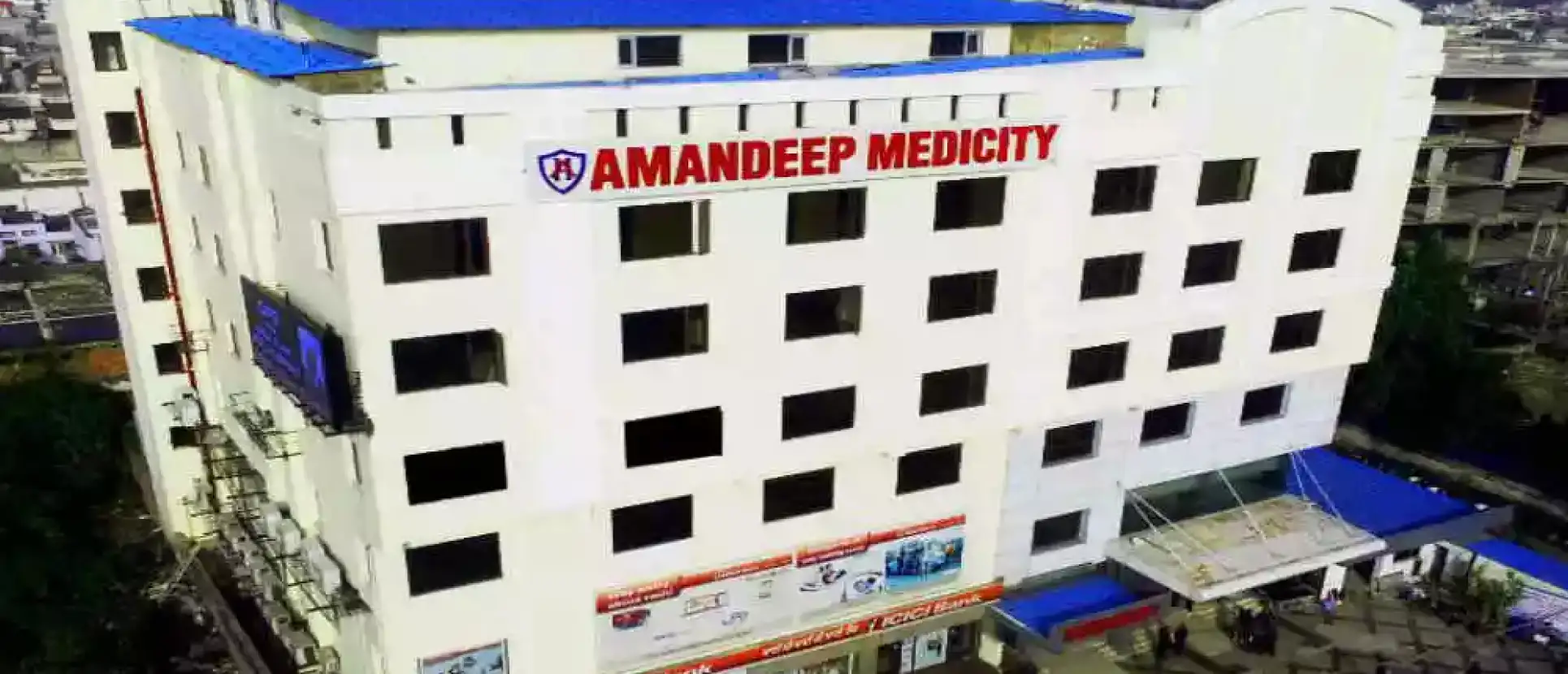
Amritsar becomes the first city in the region to house a hospital-based 3D printing and virtual reality facility, reinforcing its emerging role in advanced, patient-centric healthcare delivery.
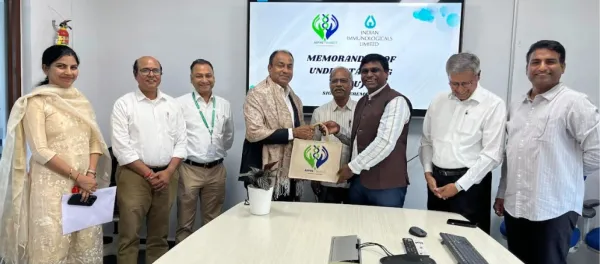
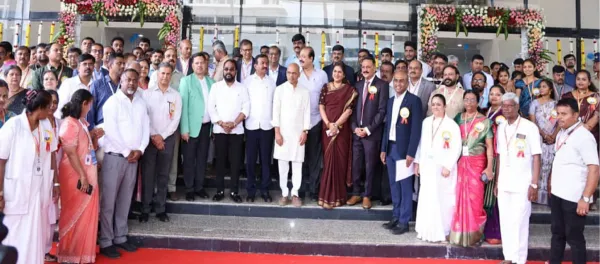
Amritsar-based Amandeep Hospitals, in partnership with Ujala Cygnus, has launched North India’s first hospital-based 3D Printing and Virtual Reality Technology facility, marking a significant step in the use of virtual reality and advanced manufacturing to support precision surgery and patient-specific care.
The initiative embeds virtual reality-enabled planning tools and 3D printing directly into clinical workflows, allowing surgeons to prepare patient-specific anatomical models, surgical guides, and customized implants on demand within the hospital.
The initiative forms part of a long-term collaboration between Amandeep Hospitals and Ujala Cygnus to extend advanced digital health solutions, including virtual reality-enabled care, robotics, and AI-driven diagnostics, to Tier 2 and Tier 3 cities across North India.
With this launch, Amritsar becomes the first city in the region to house a hospital-based 3D printing and virtual reality facility, reinforcing its emerging role in advanced, patient-centric healthcare delivery.
“This is a giant step forward in our commitment to precision surgery. With in-house 3D printing, we can now plan the most complex cases with unmatched accuracy, reduce surgical risks, and deliver more predictable outcomes for our patients,” said Dr. Avtar Singh, Chairperson of Orthopaedics at Amandeep Ujala Hospitals.
By bringing 3D printing and virtual reality in-house, Amandeep Hospitals aims to shorten preparation timelines, reduce dependence on third-party providers, and make advanced digital health tools more accessible in a Tier 2 city setting.
This approach supports detailed preoperative planning for orthopaedic, trauma, spine, maxillofacial, and reconstructive surgeries.
Surgeons can design and test customized jigs and guides for joint replacements and deformity corrections, while tailored implants can be manufactured with a higher degree of precision and anatomical fit.
Beyond direct patient care, the facility is also expected to strengthen medical education and skill development.
Dr. Abhijat Sheth, Chairman of the National Medical Commission, said, “The integration of 3D printing technology in hospitals is a significant step towards modernizing healthcare infrastructure. This innovation will undoubtedly lead to improved patient outcomes and more efficient surgical procedures.”
Stay tuned for more such updates on Digital Health News
Follow us