AI-Powered Innovation to Propel Indian Pharma onto Global Fast Track: Prof Milind J. Umekar

Indian pharma is increasingly leveraging AI to meet international standards faster, improve patient outcomes, and strengthen its position in the global healthcare ecosystem.
AI-powered innovation is set to propel Indian pharmaceutical companies onto the global fast track, reshaping how the industry discovers drugs, ensures quality, and delivers affordable healthcare at scale, according to Prof Milind J. Umekar.
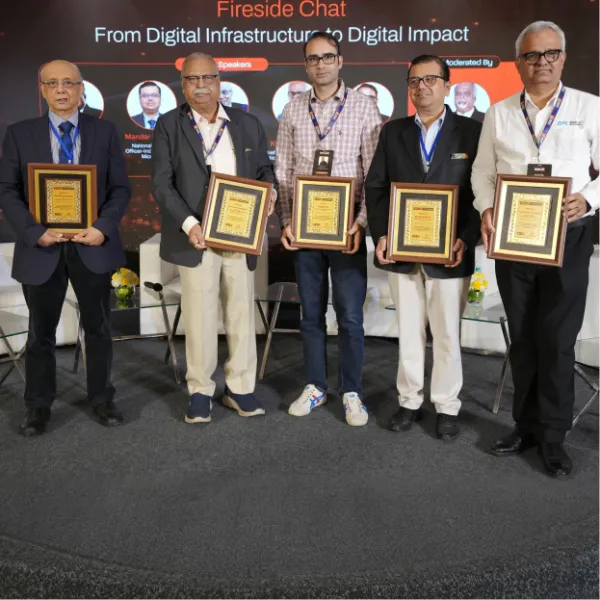
At a recent event, Prof Umekar highlighted that the strategic implementation of artificial intelligence across research and development, manufacturing, regulatory compliance, and supply chains is enabling Indian pharmaceutical companies to move towards innovation-led global competitiveness.
Supported by strong digital foundations and scientific talent, Indian pharma is increasingly leveraging AI to meet international standards faster, improve patient outcomes, and strengthen its position in the global healthcare ecosystem.
He noted that the ongoing focus on education, innovation, ethics, and professional excellence is central to the sector’s transformation. AI-enabled predictive analytical methodologies are now being used to anticipate equipment failures, reduce downtime, and improve yield in continuous manufacturing facilities.
Smart quality systems analyse real-time process data to detect deviations at an early stage, supporting consistent product quality and regulatory compliance.
AI-powered vision systems are already being deployed on production lines to inspect tablets, capsules, and packaging with accuracy beyond human capability, helping minimise errors, recalls, and wastage.
These developments are supporting Indian pharmaceutical manufacturers in their progress toward smart factories that align with global regulatory expectations.
The medical devices sector is also witnessing rapid AI-driven innovation, with intelligent diagnostic devices, smart wearables, and AI-assisted imaging tools enhancing early disease detection, remote monitoring, and personalised therapy.
These technologies are strengthening collaboration between pharmacists, clinicians, and patients, while expanding the pharmacist’s role in patient-centric care and medical device management.
The recent discussions also focused on the importance of exposing students, faculty, and researchers to the transformative role of AI in drug discovery and development.
Stay tuned for more such updates on Digital Health News
Follow us