Swaasa AI Analyzes Cough Sounds to Detect Respiratory Diseases
The platform was evaluated by a team of researchers from Andhra Medical College, Visakhapatnam, along with institutions from India, the US, and the UK.
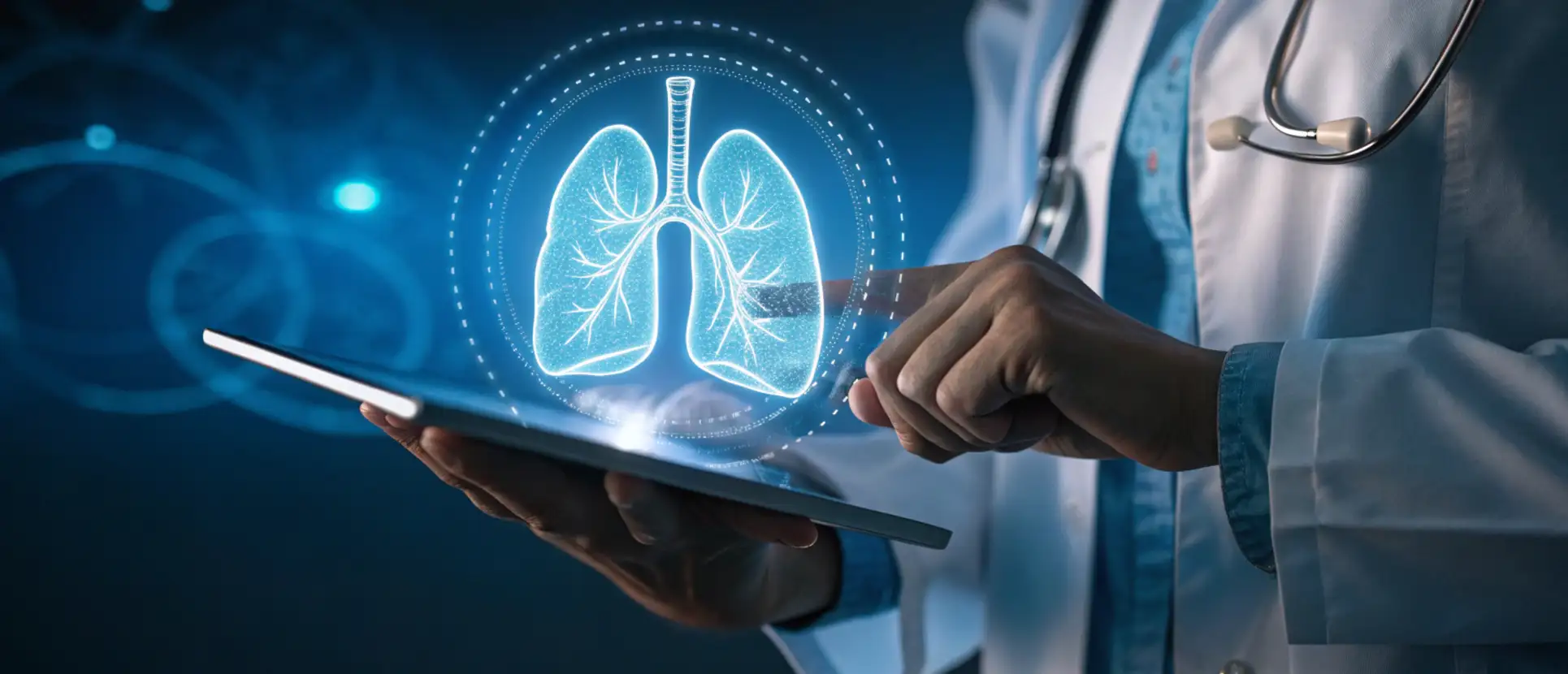
Hyderabad-based healthtech company Salcit Technologies has developed a new artificial intelligence platform, Swaasa AI, to detect respiratory diseases by analyzing cough sounds.
The new AI tool uses patented technologies to analyse the unique sound patterns in a person's cough.
The platform was evaluated by a team of researchers from Andhra Medical College, Visakhapatnam, along with institutions from India, the US, and the UK.
According to reports, in its clinical trial of 355 participants, Swaasa demonstrated a sensitivity of 97.27%, meaning it successfully identified a large proportion of individuals with respiratory disorders.
The overall accuracy of the risk classifier was reported at 87.32%, indicating a reliable performance in distinguishing individuals without respiratory conditions.
Further, the AI platform, beyond flagging ‘risk yes’ or ‘risk no’, can also classify coughs into normal, obstructive, restrictive, or mixed patterns, helping identify conditions such as asthma, COPD, pulmonary fibrosis, tuberculosis, and COVID-19.
Dr PV Sudhakar, former principal of Andhra Medical College and lead investigator, said, “Diagnosing respiratory disease usually requires a detailed medical history, a physical exam, spirometry, and imaging like X‑rays. Such tests are resource‑heavy and often unavailable in remote areas, making timely diagnosis difficult. Advances in AI, however, have renewed interest in cough sound analysis as an accessible pre-screening method. Machine-learning models trained on large datasets can detect patterns associated with tuberculosis, COVID-19, asthma, and COPD, and can be built into portable devices or mobile apps for use in community settings. In this study, we used the Swaasa platform to classify cases as ‘risk yes’ or ‘risk no’.”
“Machine-learning models trained on large datasets can detect patterns associated with tuberculosis, Covid-19, asthma, and COPD, and can be built into portable devices or mobile apps for use in community settings. In this study, we used the Swaasa platform to classify cases as ‘risk yes’ or ‘risk no’. When compared with physicians’ assessments, the model achieved a sensitivity of 97.27%. There was also strong agreement between the patterns identified by pulmonologists and the findings generated by Swaasa,” he added.
Stay tuned for more such updates on Digital Health News
Follow us