



RGCB Secures INR 7 Cr Grant to Develop Blood-Based Cervical Cancer Detection Device
The project is supported by the MAHA MedTech Mission, launched by the Anusandhan National Research Foundation (ANRF), the Indian Council of Medical Research (ICMR) and the Gates Foundation.
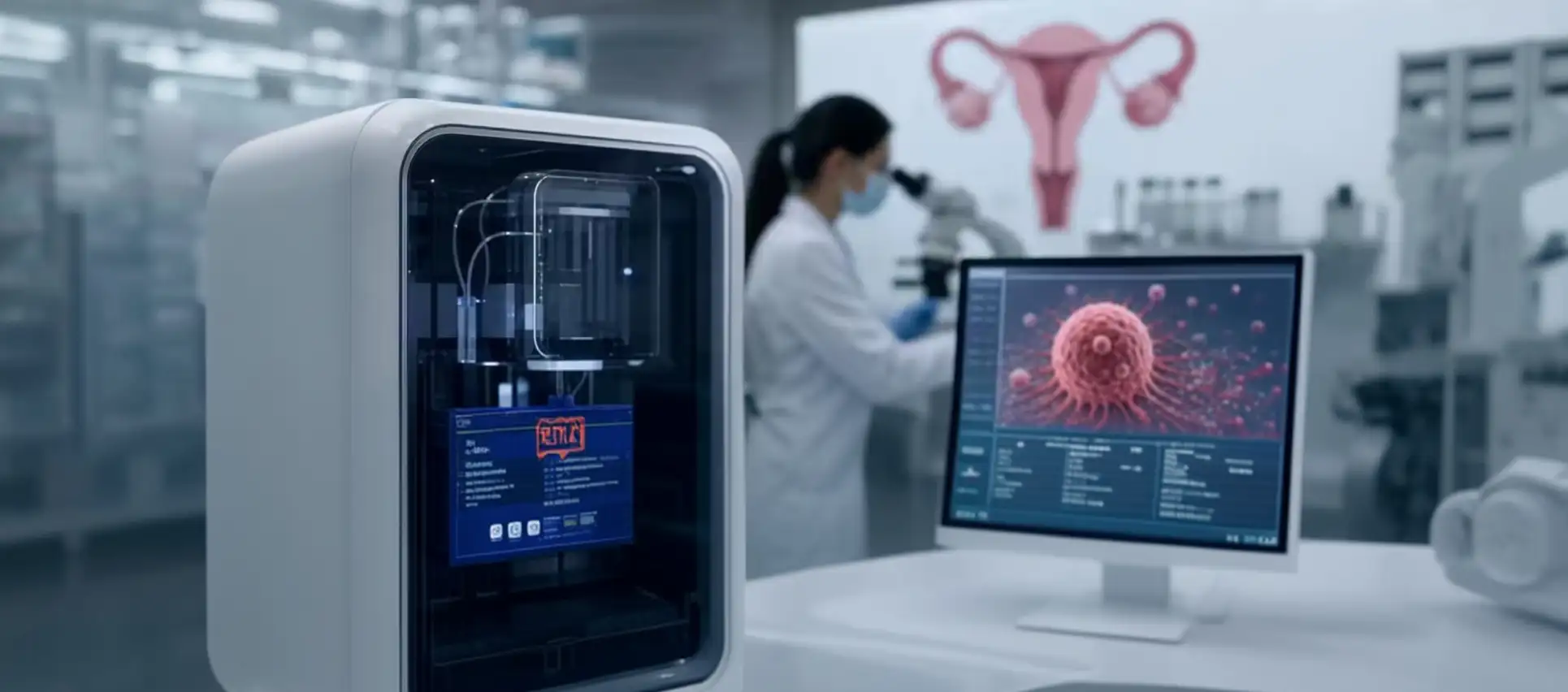
Researchers at the BRIC–Rajiv Gandhi Centre for Biotechnology (RGCB) in Thiruvananthapuram have received an INR 7 crore grant to develop an automated diagnostic device that could detect cervical cancer at an early stage using a blood sample, potentially reducing the need for invasive procedures.
The project is supported by the MAHA MedTech Mission, launched by the Anusandhan National Research Foundation (ANRF), the Indian Council of Medical Research (ICMR) and the Gates Foundation. RGCB is collaborating with Thiruvananthapuram-based startup IndZita Biotech Private Ltd and Karkinos Healthcare Private Ltd, based in Barshi, Maharashtra.
RGCB Director Beena Pillai said the center was proud to have secured the grant. More than 1,000 proposals were received for the ANRF grant, of which 33 were selected, she said.
The proposed device will detect piRNA-based biomarkers in blood samples and analyze them using nanopore technology, a molecular detection platform. The aim is to develop a rapid, automated system that can operate with minimal specialized training.
Project lead researcher Jackson James said the technology was being designed for use beyond specialized laboratory settings. Once developed and validated, the system would automatically analyze a patient's blood sample, he said.
Research team member Ani V Das said the technology could potentially improve access to screening in areas with limited laboratory infrastructure.
The technology has been patented, and laboratory-scale validation has been completed using cell cultures and mouse models. A pilot study involving human blood samples has also been completed at the laboratory level, while an early-stage prototype is currently under development.
The research team, comprising James, Das and Mahendran K R, aims to develop a functional diagnostic platform. Further clinical validation and regulatory approval will be required before the device can be used for routine screening.
Stay tuned for more such updates on Digital Health News
Follow us