Remote Patient Monitoring Devices: A Complete Guide to Technology Transforming Modern Healthcare
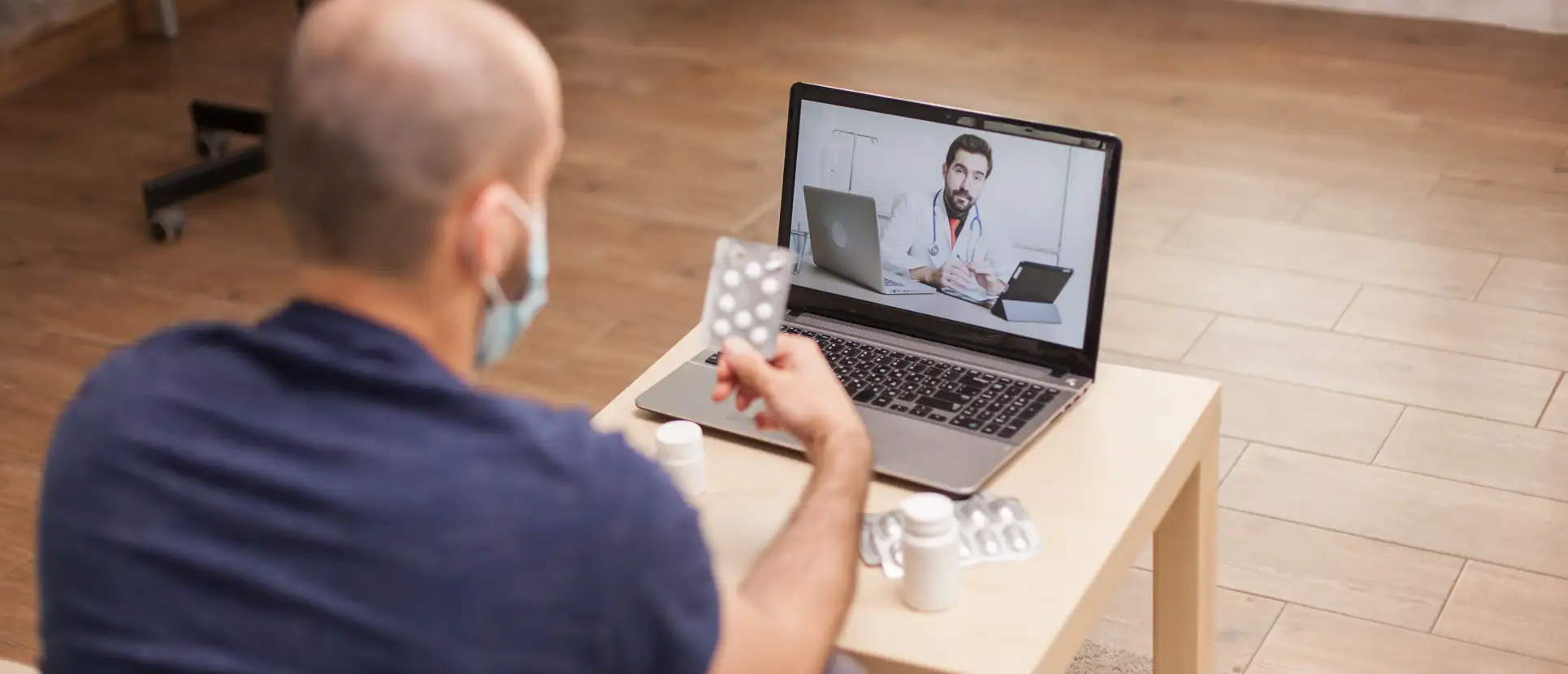
Beyond continuous vitals tracking, remote patient monitoring devices are becoming central to chronic-care management by integrating AI analytics, real-time alerts and interoperable data flows that support early intervention and reduce hospital utilization.
What Are Remote Patient Monitoring Devices?
Remote Patient Monitoring Devices are medical tools that track patient health metrics from outside traditional clinical settings. They help doctors continuously observe a patient’s condition without requiring frequent hospital visits.
Key Features of Remote Patient Monitoring Devices
- Measure vital signs such as blood pressure, glucose, and heart rate
- Sync data through Bluetooth, Wi-Fi, or cellular networks
- Send alerts to healthcare providers in case of abnormalities
- Support chronic disease management from home
How Remote Patient Monitoring Devices Work
Remote Patient Monitoring Devices work through a continuous cycle of collecting data, transmitting it securely, and allowing healthcare teams to analyze and respond to patient needs. This creates a proactive care model.
How RPM Devices Function
- Data Collection: Sensors capture real-time health information
- Connectivity: Devices transfer data using smartphones or hubs
- Cloud Storage & AI: Platforms analyze trends and detect risks
- Provider Response: Doctors adjust treatment based on device readings
Types of Remote Patient Monitoring Devices
Different Remote Patient Monitoring Devices serve different medical conditions. These technologies help clinicians track a wide range of physiological metrics.
1. Blood Pressure Monitors
Blood pressure monitors are one of the most widely used RPM devices, especially for patients with hypertension or cardiovascular risks. These digital cuffs automatically measure systolic and diastolic pressure and send data to healthcare providers.
How They Help
- Detect early signs of hypertension crises
- Reduce hospital visits for routine BP checks
- Allow doctors to titrate medication based on daily readings
- Help track long-term cardiac health
2. Continuous Glucose Monitors (CGM)
CGMs are wearable sensors used primarily by diabetic patients to measure glucose levels continuously throughout the day. They sync with a mobile app and alert users and providers if glucose levels become dangerously high or low.
How They Help
- Provide real-time glucose trends
- Reduce the need for finger-prick tests
- Improve insulin dosing decisions
- Prevent hypoglycemia and hyperglycemia events
3. Pulse Oximeters
Pulse oximeters measure blood oxygen saturation (SpO₂) and pulse rate. They became especially important during COVID-19 for monitoring respiratory function at home.
How They Help
- Detect early respiratory decline
- Support COPD and asthma management
- Monitor oxygen therapy effectiveness
- Provide ongoing respiratory health trend data
4. Wearable ECG Monitors
These chest patches or smartwatch-based ECG tools track heart rhythm, detect arrhythmias, monitor palpitations, and identify signs of atrial fibrillation. They are more advanced than standard heart-rate tracking.
How They Help
- Detect abnormal heart rhythms
- Monitor cardiac patients continuously
- Support early detection of strokes related to AFib
- Reduce the need for hospital-based ECG tests
5. Smart Weight Scales
Smart scales connect to RPM platforms and track weight trends, which is crucial for cardiac patients, especially those with heart failure.
How They Help
- Identify fluid retention early
- Help adjust diuretic medications
- Track obesity and metabolic conditions
- Support remote monitoring for CHF (Congestive Heart Failure) patients
6. Digital Thermometers & Wearable Temperature Sensors
These RPM devices measure body temperature and are often used for infection management, post-surgical patients, and children.
How They Help
- Detect fevers early
- Track temperature trends post-surgery
- Monitor infectious diseases like flu or COVID-19
- Provide alerts for sudden temperature spikes
7. Portable Spirometers
Portable spirometers measure lung function by analyzing airflow, helping monitor patients with respiratory diseases such as asthma and COPD.
How They Help
- Track lung capacity and breathing patterns
- Detect early signs of respiratory deterioration
- Reduce emergency room visits for asthma attacks
- Help clinicians adjust inhalers or treatment plans
8. Smart Medication Dispensers
Medication dispensers remind patients when to take medicines and dispense correct doses. They are particularly useful for elderly patients or those with chronic illnesses.
How They Help
- Improve medication adherence
- Prevent missed doses
- Reduce medication errors
- Alert caregivers when a dose is skipped
9. Wearable Sleep & Activity Trackers
These devices track physical activity, heart rate variability, sleep cycles, and stress level indicators. They provide valuable lifestyle and recovery data.
How They Help
- Track sleep quality and duration
- Identify stress patterns
- Improve mental health monitoring
- Support post-surgical activity recommendations
10. Multi-Parameter RPM Kits
These are comprehensive kits that include multiple sensors-for example, BP monitor, thermometer, pulse oximeter, and weight scale-often used in hospital-at-home programs.
How They Help
- Provide all-in-one monitoring
- Enable virtual inpatient care
- Reduce hospital admissions and readmissions
- Support chronic disease and acute care management
Applications of Remote Patient Monitoring Devices
Remote Patient Monitoring Devices are used across many areas of healthcare. They play a critical role in ongoing disease management and continuous observation.
Key Clinical Applications
- Chronic Disease Management: Diabetes, heart failure, hypertension, COPD
- Post-operative Monitoring: Track recovery and prevent complications
- Elderly Care: Fall detection, mobility tracking, and safety monitoring
- Pregnancy & Maternal Monitoring: Fetal heart rate and blood pressure tracking
- Infectious Disease Care: Home-based monitoring for conditions like COVID-19
- Mental Health & Neurological Support: Sleep and stress tracking
Benefits of Remote Patient Monitoring Devices
Remote Patient Monitoring Devices bring value to both patients and healthcare providers by improving access, efficiency, and health outcomes.
Major Benefits
- Early Intervention: Alerts providers before symptoms worsen
- Reduced Hospital Visits: Cuts down unnecessary admissions
- Cost Savings: Helps providers and patients reduce healthcare expenses
- Improved Patient Engagement: Encourages self-care and tracking
- Better Access to Care: Especially helpful for remote and rural areas
- Personalized Treatment: AI insights help tailor care plans
Challenges of Remote Patient Monitoring Devices
Despite their advantages, Remote Patient Monitoring Devices face adoption challenges that providers need to address.
Common Challenges
- Data Privacy & Cybersecurity Concerns
- Inaccurate or Inconsistent Data Readings
- Integration Issues with EHR and Telehealth Platforms
- Low Digital Literacy Among Elderly Users
- Regulatory Requirements for Medical Device Approval
Future of Remote Patient Monitoring Devices
Remote Patient Monitoring Devices are expected to become more intelligent, predictive, and seamlessly integrated into healthcare systems.
Future Trends in RPM Technology
- AI-driven Predictive Monitoring: Early detection of health events
- 5G-powered Connectivity: Faster, more accurate data transfer
- Smart Homes with Health Sensors: Beds, mirrors, and toilets tracking vitals
- Digital Twin Models: Personal health simulations for treatment planning
- Full EHR Integration: One-stop platforms for all patient data
Conclusion
Remote Patient Monitoring Devices are redefining healthcare by enabling continuous care, reducing hospital burdens, and improving patient outcomes. As healthcare systems move toward digital transformation, these devices will play an increasingly central role in chronic disease management, preventive care, and personalized medicine.
Stay tuned for more such updates on Digital Health News
Follow us