Jaslok Hospital Launches Clinical Study to Enable AI-Based Parkinson’s Disease Prediction
The system leverages computer vision and machine learning, designed to identify subtle changes in movement patterns that are expected to indicate a higher risk of freezing episodes.
Mumbai-based leading hospital, Jaslok Hospital & Research Center, has launched an AI-driven clinical study focused on enabling AI-based prediction of Freezing of Gait (FOG) episodes, one of the earliest symptoms associated with Parkinson’s disease patients.
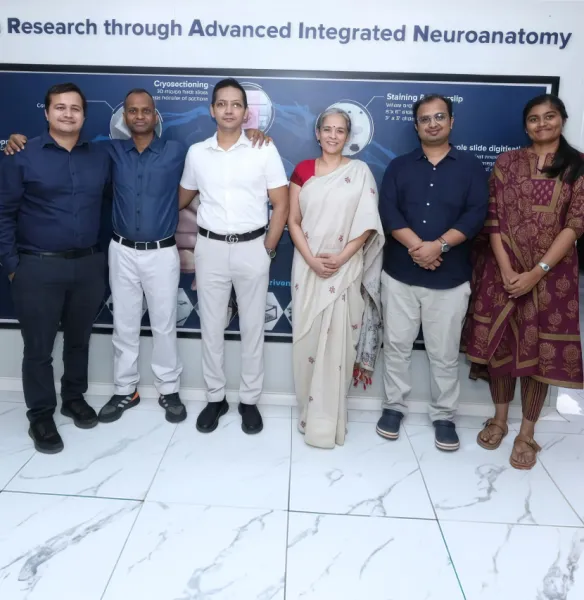
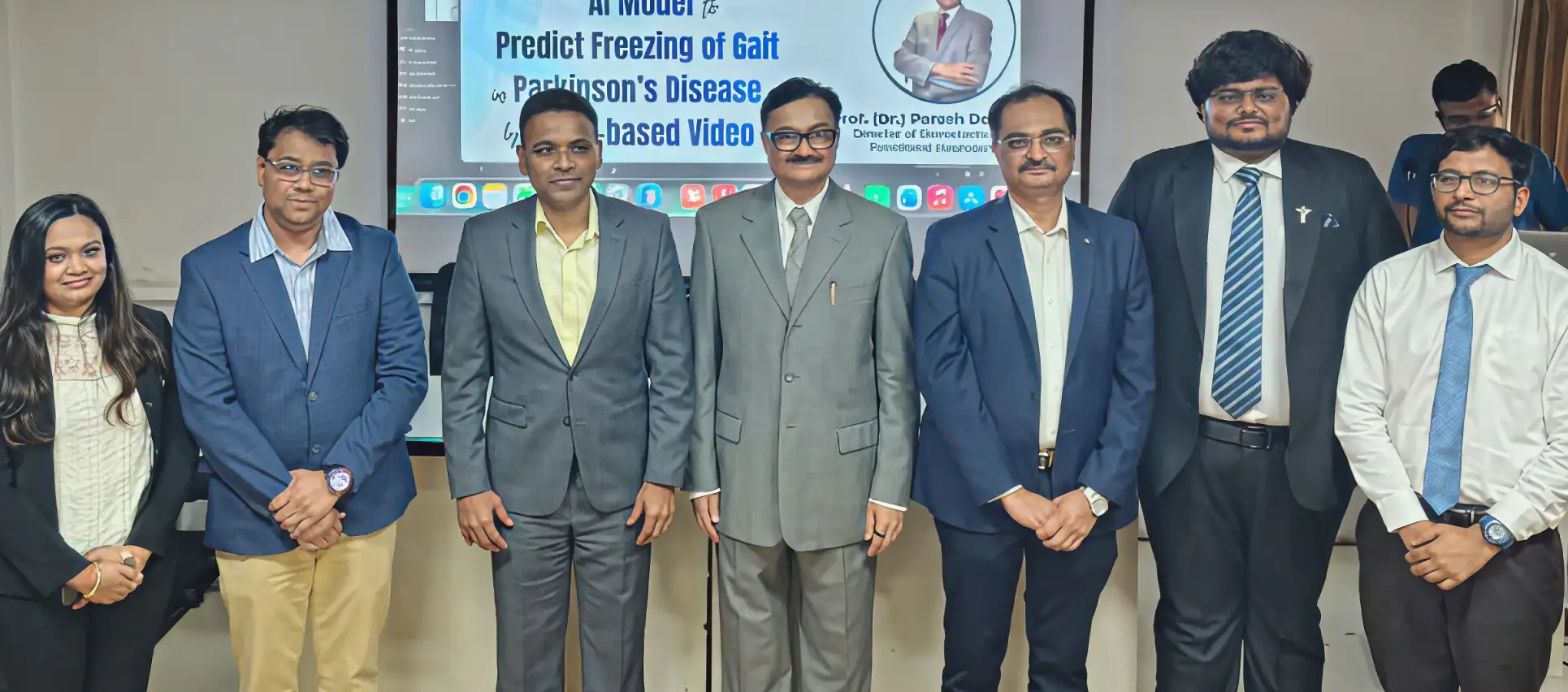
The project initiative was undertaken ahead of World Parkinson’s Day on April 1 and is being led by Dr Paresh Doshi, Director of Neurosurgery at Jaslok Hospital, in collaboration with the Paris Brain Institute in France, under the leadership of Dr Carine Karach.
The study is expected to be completed within approximately two years.
The research initiative seeks to develop a scalable and cost-effective digital tool capable of analyzing routine walking videos of patients to detect early signs of gait abnormalities.
The system leverages computer vision and machine learning, designed to identify subtle changes in movement patterns that are expected to indicate a higher risk of freezing episodes.
Freezing of gait is a common complication in Parkinson’s disease, affecting up to 75–80% of patients in advanced stages. It is characterised by a sudden inability to initiate or continue walking, often leading to falls, injuries, and loss of independence.
The proposed AI-based system aims to address this gap by introducing a dual approach that estimates both the likelihood of FOG and its probable time to FOG, enabling earlier clinical intervention and more targeted preventive planning.
Notably, its wearable-free approach is intended for resource-limited Indian hospitals, clinics, and telemedicine, enabling early interventions like motor training to delay onset.
The research is expected to be completed in two distinct phases. The first phase focuses on model development using retrospective clinical data and video recordings from more than 150 Parkinson’s patients who developed Freezing of Gait during long-term follow-up.
The second phase will involve prospective validation of the model in a cohort of 337 patients followed over a period of up to three years.
Furthermore, the research leverages a large repository of longitudinal clinical and video data collected over several years, enabling the development of predictive models tailored to real-world patient scenarios.
The approach is expected to enable clinicians with an early-warning tool that can support timely intervention, improve treatment planning, and reduce the risk of falls and associated complications.
Highlighting the significance of the initiative, Dr Paresh Doshi said, “Parkinson’s is steadily increasing in India, placing greater pressure on neurological care systems. This collaboration strengthens early identification of motor changes in real-world settings, helping clinicians act before disability escalates.”
Dr. Doshi further added, “FOG is a core Parkinson’s challenge. Our institute’s novel DBS programming paper complements this AI effort.”
Stay tuned for more such updates on Digital Health News
Follow us