India Launches First Indigenous CRISPR Gene Therapy BIRSA 101 for Sickle Cell Disease
The therapy, developed at the CSIR–Institute of Genomics & Integrative Biology (IGIB), helps reduce the disease burden among tribal populations in central and eastern India.
India has officially launched its first homegrown CRISPR-based gene therapy, “BIRSA 101,” to target sickle cell disease, a hereditary blood disorder causing painful crises, anaemia, and organ damage.
The therapy, developed at the CSIR–Institute of Genomics & Integrative Biology (IGIB), helps reduce the disease burden among tribal populations in central and eastern India.
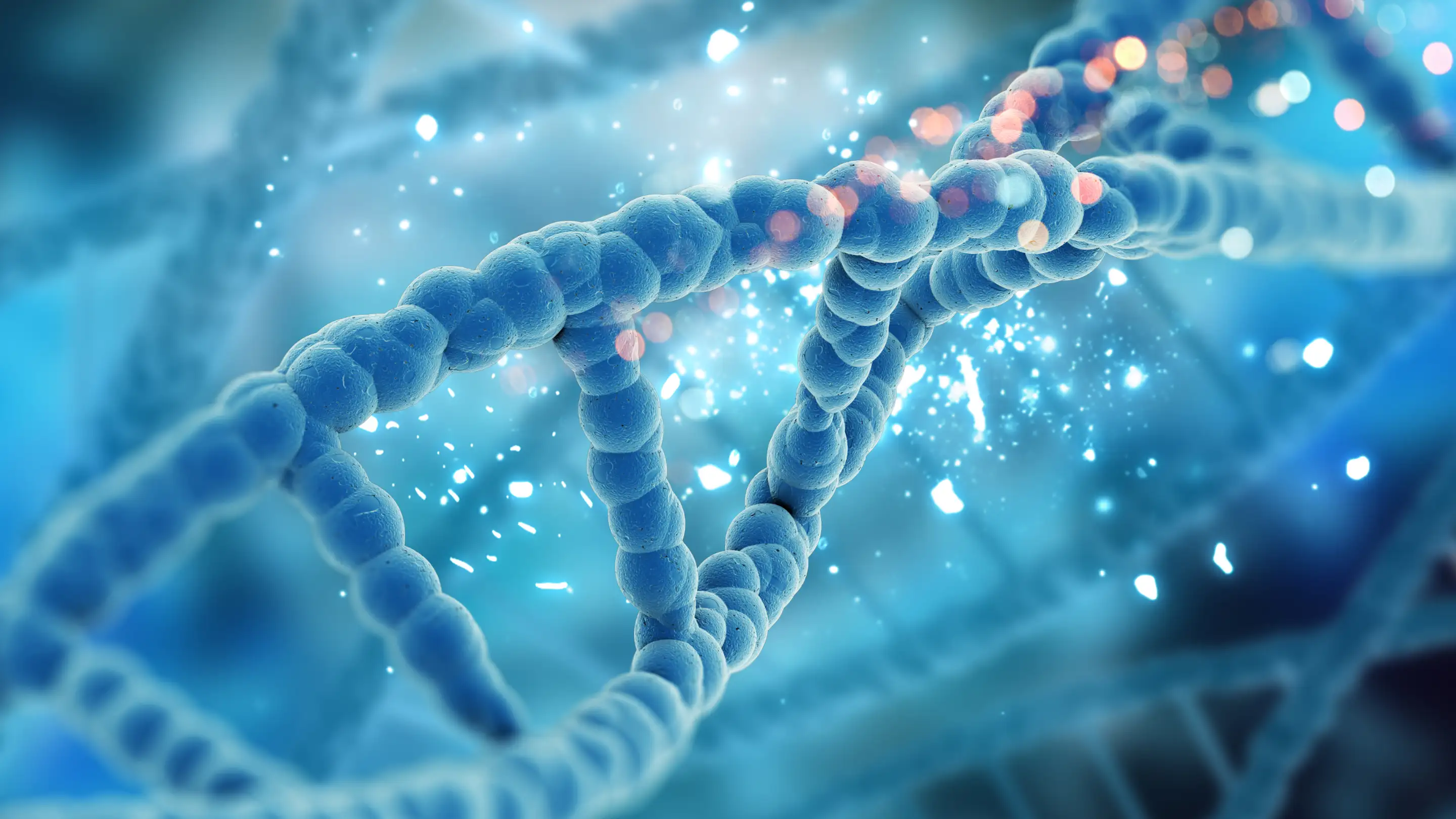
BIRSA 101 uses CRISPR (clustered regularly interspaced short palindromic repeats) technology to edit patients’ stem cells. Blood is collected from patients carrying the sickle cell mutation, stem cells are modified, and reinfused to produce healthy red blood cells, addressing the disease at its root.
A technology transfer and collaboration agreement has been signed between CSIR-IGIB and the Serum Institute of India Pvt. Ltd., enabling large-scale, cost-effective production of CRISPR therapies for sickle cell and other genetic disorders.
Commenting on the launch, Souvik Maiti, Director of CSIR-IGIB, noted that Phase 1 clinical trials involved three patients and were funded by the Department of Science & Technology (DST), catalyzed by the Ministry of Tribal Affairs. He highlighted that global therapies were prohibitively expensive, necessitating an indigenous solution.
Union Minister of State for Science & Technology, Dr. Jitendra Singh, said the launch signifies India’s journey toward a sickle cell disease-free nation. Named in honor of tribal freedom fighter Birsa Munda, whose 150th birth anniversary was recently observed, BIRSA 101 demonstrates India’s ability to develop advanced therapies at a fraction of international costs, potentially replacing treatments priced at Rs 20–25 crore abroad.
Dr. Singh described the gene-editing therapy as “precise genetic surgery” capable not only of curing sickle cell disease but also transforming treatment approaches for multiple hereditary disorders.
Furthermore, he emphasized the significance of the breakthrough for tribal communities, where the disease prevalence is highest, and underlined its potential to make cutting-edge therapies widely accessible in India.
Stay tuned for more such updates on Digital Health News
Follow us