
Global Use of Wearable Health Tech Could Rise 42-Fold by 2050, Study Finds
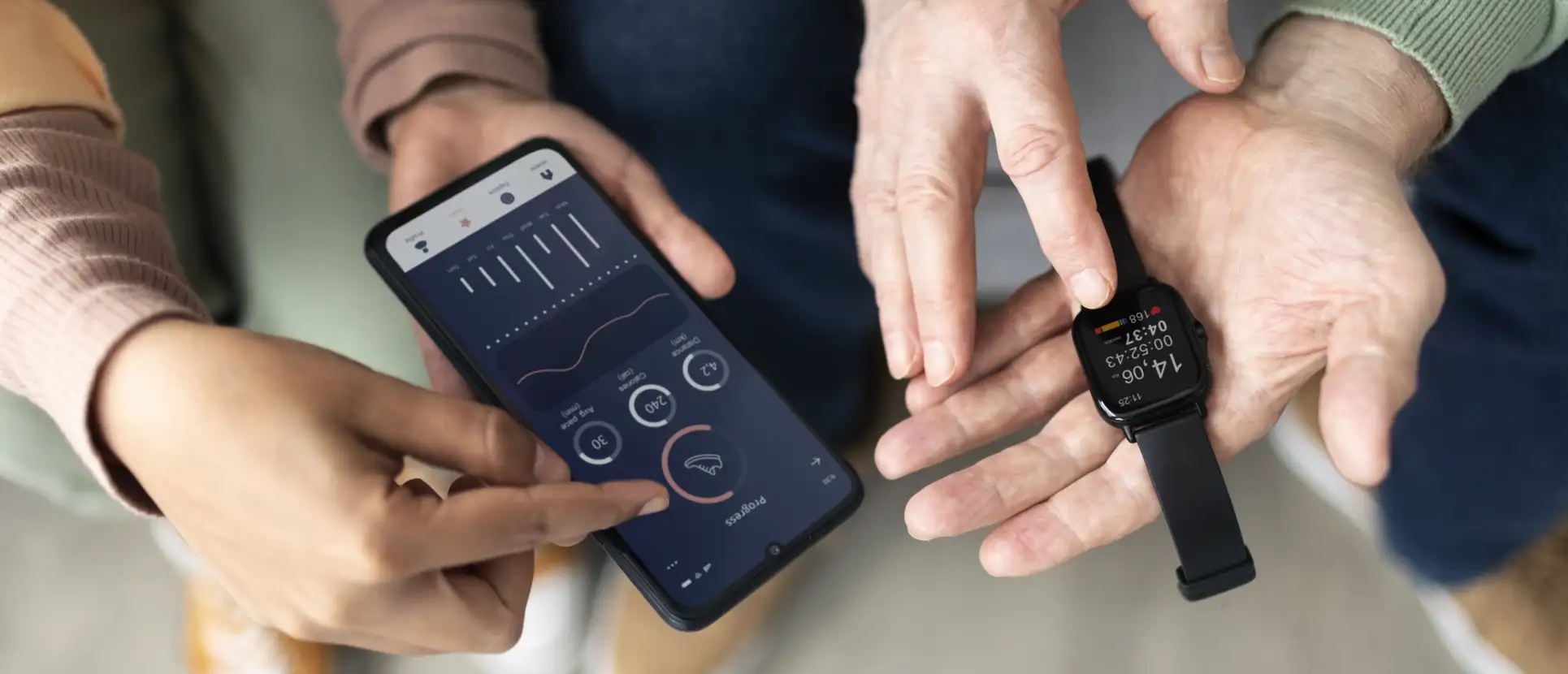
According to the findings, the wearable health market is currently dominated by continuous ECG and blood pressure monitors.
The use of wearable healthcare technologies such as continuous glucose monitors, ECG devices, blood pressure monitors, and ultrasound patches is projected to rise sharply worldwide by 2050, with annual consumption approaching two billion units, a new analysis has found.
The study, conducted by researchers from Cornell University and the University of Chicago and published in the journal Nature, estimates that this surge could generate around 3.4 metric tonnes of carbon dioxide equivalent emissions annually, alongside growing concerns around ecotoxicity and electronic waste.
China is expected to account for the highest annual greenhouse gas emissions from wearable healthcare electronics by 2050, followed by India, the researchers said. The analysis highlights how the rapid expansion of digital health technologies could carry a substantial environmental footprint if sustainability is not addressed at the design and manufacturing stages.
Using a life cycle assessment approach, the researchers evaluated the environmental impact of wearable devices from raw material extraction and manufacturing to usage and disposal. They found that a single wearable healthcare device can emit between 1.1 and 6.1 kilograms of carbon dioxide equivalent over its lifetime, depending on the device type and design.
Four representative devices were assessed in detail: a non-invasive continuous glucose monitor, a continuous electrocardiogram (ECG) monitor, a blood pressure monitor, and a point-of-care ultrasound patch. These devices were selected based on clinical relevance, diversity of sensing modalities, and coverage across different stages of technological maturity.
According to the findings, the wearable health market is currently dominated by continuous ECG and blood pressure monitors. However, by 2050, non-invasive continuous glucose monitors are projected to account for 72 percent of global wearable healthcare device usage, followed by continuous ECG monitors at 19 percent and blood pressure monitors at eight percent.
The researchers noted that by mid-century, global sales of non-invasive continuous glucose monitors alone could exceed current worldwide smartphone sales, which were estimated at 1.2 billion units in 2024.
The study also examined potential strategies to reduce the environmental impact of wearable devices. It found that the use of recyclable or biodegradable plastics offers limited benefits, while replacing critical-metal conductors and optimizing circuit architectures could significantly lower emissions without affecting device performance.
The researchers said their engineering-based framework for assessing environmental impacts across a device’s lifecycle could support more ecologically responsible innovation in next-generation wearable healthcare electronics.
Stay tuned for more such updates on Digital Health News
Follow us