Fluorescent DNA Sensor Reveals Full Timeline of Damage & Repair in Living Cells
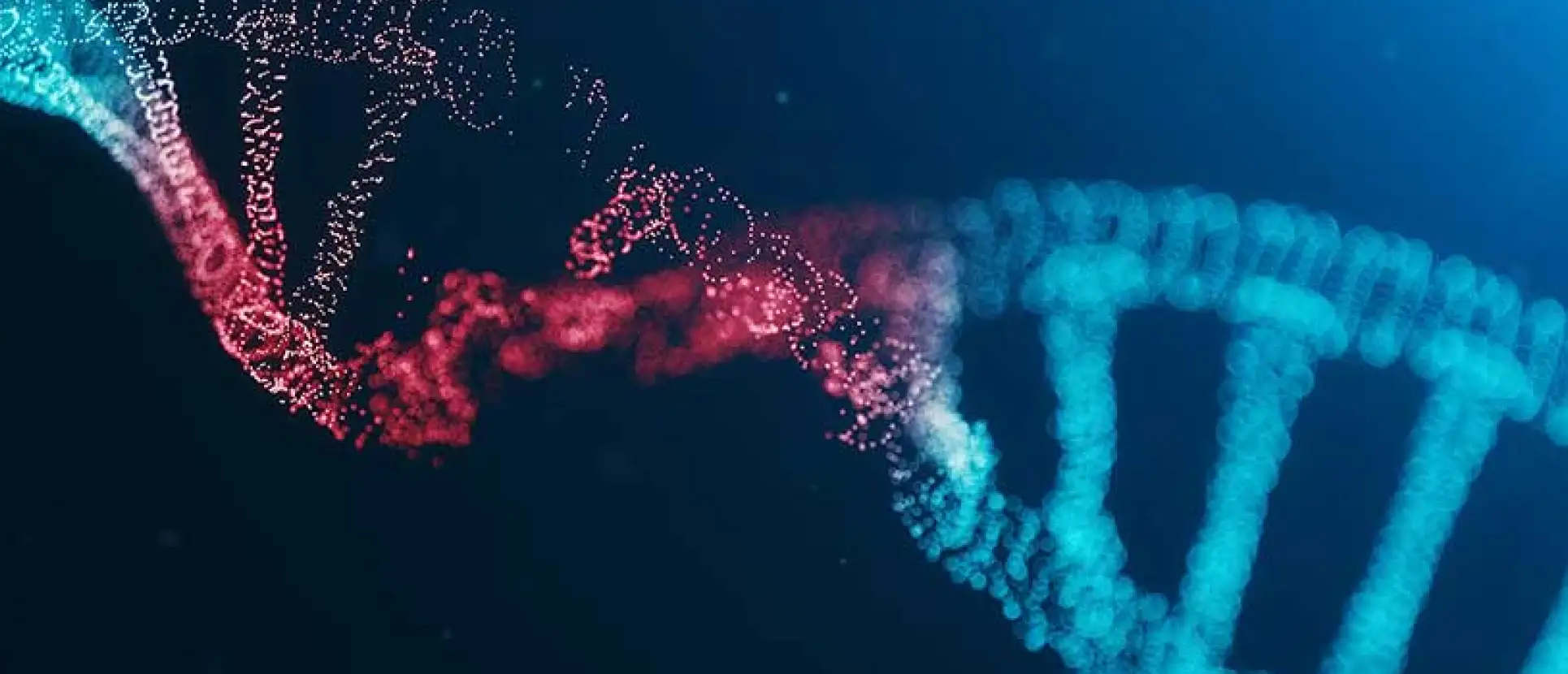
The fluorescent DNA sensor enables continuous, real-time imaging of DNA damage and repair inside living cells, allowing researchers to observe the full repair timeline without destroying cells at multiple stages.
Scientists at Utrecht University have developed a fluorescent DNA sensor that captures the complete sequence of DNA damage and repair events inside living cells, offering a real-time view of how cells maintain genomic stability.
The innovation replaces conventional snapshot-based techniques with continuous imaging of DNA lesions as they form, recruit repair proteins, and resolve.
The new sensor, detailed in Nature Communications, is built from a small domain of a natural cellular protein that recognizes a chemical marker present exclusively on damaged DNA. A fluorescent tag is attached to this domain, allowing it to bind gently and reversibly to sites of DNA injury without interfering with the cell’s repair machinery.
Tuncay Baubec, lead researcher, Utrecht University, explained that the tool enables researchers to observe the repair sequence as a single timeline rather than a collection of static snapshots. Baubec noted, “Our sensor is different. It’s built from parts taken from a natural protein that the cell already uses. It goes on and off the damage site by itself, so what we see is the genuine behavior of the cell.”
The newly developed fluorescent biosensor enables scientists to visualize each stage of DNA damage and provides a continuous timeline of cellular response rather than single snapshots captured by existing methods.
Instead of killing cells at intervals to preserve them for imaging - one of the limits of traditional DNA repair studies - the new approach allows scientists to watch the entire response unfold in living cells and even in living organisms.
Richard Cardoso da Silva, senior author, Utrecht University, highlighted the research advantage, stating, “You get more data, higher resolution and, importantly, a more realistic picture of what actually happens inside a living cell.” He noted that the system provides new insight into repair kinetics and the efficiency of pathways that safeguard the genome.
Many Cancers treatments work by inducing DNA damage in tumour cells; the sensor enables precise quantification of damage levels and repair activity. It can also support drug-development programs by helping assess the DNA toxicity of experimental compounds.
In fields such as aging research - where accumulated DNA damage and changes in repair efficiency are central themes - the sensor helps reveal how different cell types respond under stress, how repair pathways shift with age, and how genomic instability contributes to disease risk.
Researchers noted growing interest from laboratories worldwide, with the tool already being adopted by teams studying DNA repair in multiple cellular and organismal models. The sensor has been made widely accessible to encourage broader scientific use and integration into diverse experimental workflows.
Stay tuned for more such updates on Digital Health News
Follow us