China’s Fudan Hospital Implants World’s First Commercial Brain-Computer Interface Chip in Patient
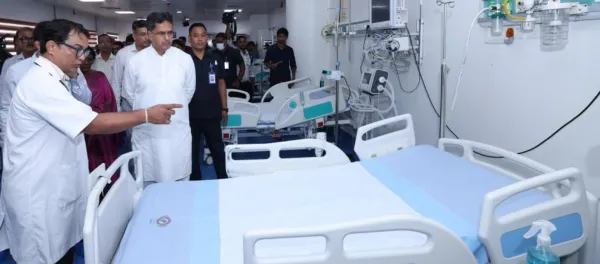
The procedure was performed on July 13 by a research team at Huashan Hospital, affiliated with Fudan University in Shanghai, using the NEO BCI system developed by Chinese medical device startup NeuraClear Medical Technology.
China has completed the world’s first implantation of a commercially approved brain-computer interface (BCI) chip in a patient with spinal cord injury, marking a significant milestone in the clinical adoption of neurotechnology. The procedure was performed on July 13 by a research team at Huashan Hospital, affiliated with Fudan University in Shanghai, using the NEO BCI system developed by Chinese medical device startup NeuraClear Medical Technology.
The patient had lost hand function following a traffic accident that caused spinal cord damage a decade ago. The implanted device is designed to interpret neural signals from the brain and translate them into hand movements, supporting motor rehabilitation.
Unlike some invasive BCI systems, NEO places its electrodes on the surface of the brain rather than penetrating brain tissue. According to the research team, the procedure resulted in stable and clear extradural brain signal acquisition. The patient’s recovery and vital signs have remained stable following the surgery.
The implantation follows regulatory approval granted by China’s National Medical Products Administration (NMPA) on March 13. According to Shanghai authorities, NEO is the world’s first commercially approved BCI product that can be prescribed and used in medical institutions, rather than being limited to laboratory research or clinical trials.
Within approximately four months of receiving regulatory clearance, the device moved through manufacturing, hospital deployment, and patient selection. The report also noted that the technology has been included under commercial health insurance coverage in certain regions of China.
The development comes as the global race to commercialize brain-computer interfaces intensifies. In the United States, Elon Musk-founded Neuralink is conducting clinical trials of its first BCI system, Telepathy, with more than 20 participants enrolled. However, the company has not yet received formal commercialization approval from the U.S. Food and Drug Administration (FDA).
China has identified brain-computer interfaces as a strategic emerging industry and is accelerating investment in the field. The government aims to establish core technologies and industrial frameworks for BCIs by 2027 and develop two to three globally competitive companies in the sector by 2030.
Stay tuned for more such updates on Digital Health News
Follow us