AIIMS Deploys AI Tool to Speed Up Chest X-Ray Reporting
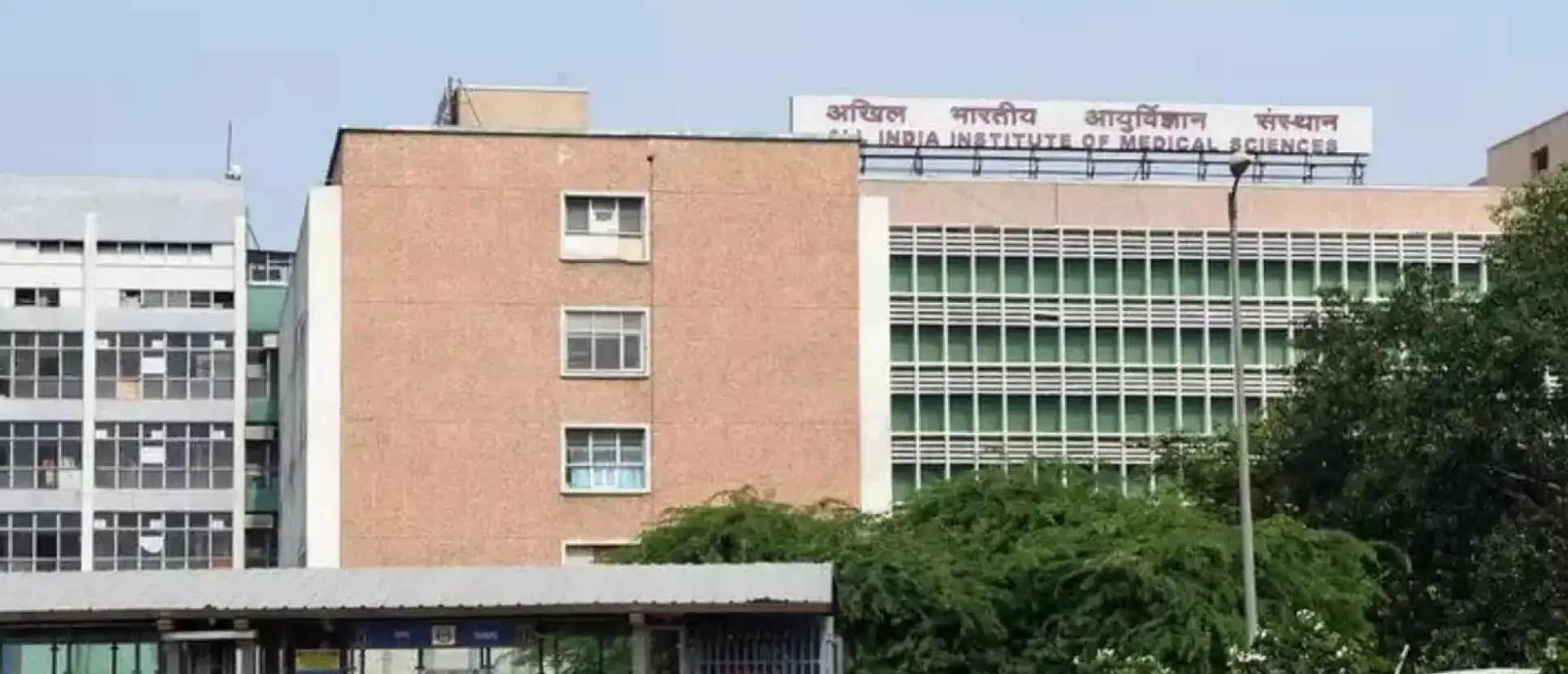
The AI tool is expected to reduce turnaround time by generating preliminary reports that are later reviewed by specialists.
At the All India Institute of Medical Sciences in Delhi, where nearly 1,000 chest X-rays are conducted every day, delays in radiology reports have long been a challenge due to heavy diagnostic workloads.
Now, the premier medical institute is turning to artificial intelligence to accelerate diagnosis and improve patient care.
AIIMS has started using an AI-based software that reads chest X-rays and generates provisional reports within five to ten minutes. The tool, sourced from a Mumbai-based private healthtech startup, has received approval from the U.S. Food and Drug Administration.
“This AI tool dramatically speeds up initial assessment and allows clinicians to identify potential abnormalities much sooner,” said Dr Raju Sharma, professor and head of the radiology department at AIIMS.
Doctors explained that the software uses deep learning algorithms to analyse chest X-ray images, detect nodules and identify early signs of abnormalities involving the lungs, heart, bones and diaphragm. The technology is designed to assist clinicians in faster decision-making, especially in high-volume settings.
AIIMS, however, plans to develop its own AI system in the future. “The system was customized during a pilot phase, and AIIMS aims to eventually develop its own AI tool. While still experimental, it is already helping improve workflow by easing workload pressure, speeding care, and enhancing diagnostic accuracy,” said Dr Devasenathipathy K, professor of radio diagnosis at AIIMS.
According to Dr Sharma, the AI tool plays a key role in triaging cases by flagging abnormalities and helping clinicians prioritise patients based on urgency. He stressed that artificial intelligence is only a support system.
“All images undergo a detailed review by a group of radiologists and clinicians before treatment begins,” he said. “The bottom line is that it might work 24/7, but the decision is that of a radiologist.”
Dr Devasenathipathy said AI-generated findings are closely monitored. “We carry out weekly joint conferences to ensure thorough review and discussion of all AI-assisted reports. There is strong oversight, and these findings are never used in isolation,” he said.
The radiology outpatient department at AIIMS sees around 1,000 patients daily, with limited radiologists handling routine cases during the day while also managing CT scans and ultrasound reports at night. The AI tool is expected to reduce turnaround time by generating preliminary reports that are later reviewed by specialists.
For patients, the change could mean quicker consultations. “If a patient gets an X-ray and goes to the doctor, they can now receive a preliminary report to share during consultation,” Dr Devasenathipathy said.
During emergency hours, when junior doctors often manage cases without senior supervision, the tool provides additional support. “Without quick initial results, it can be difficult to identify which patients need urgent attention first,” Dr Sharma said.
The AI system helps address this by prioritising chest radiographs that require immediate care. “It has a sensitivity of 99.7%, detecting nearly all abnormalities,” Dr Sharma said.
“In emergency situations, junior doctors can use the software for support and learning, which helps reduce missed findings and speeds treatment,” Dr Devasenathipathy added.
Stay tuned for more such updates on Digital Health News
Follow us