AI-Powered Drug Discovery: Revolutionising Pharmaceutical Research in India
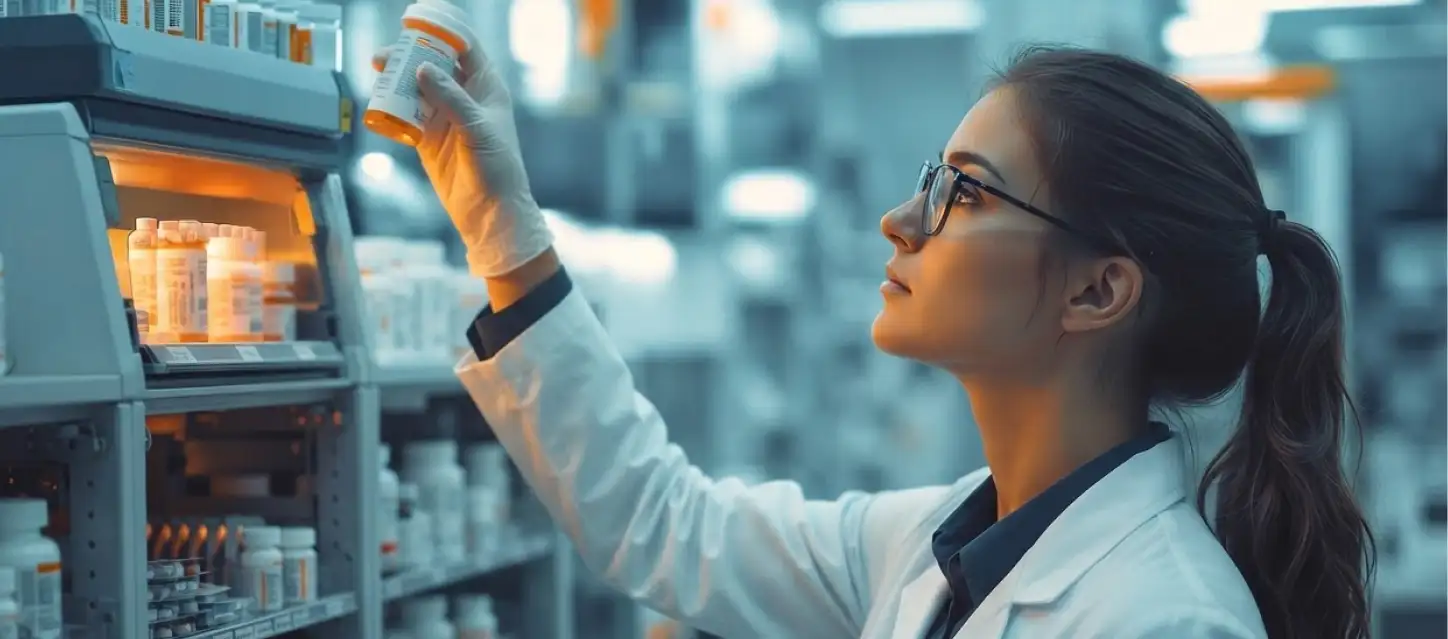
The pharmaceutical industry in India has been widely known as the "pharmacy of the world" thanks to the manufacture of affordable generics, vaccines, and active pharmaceutical ingredients supplied to over 200 countries, especially during global crises where the world depended upon Indian manufacturing capabilities to plug the gaps. This reputation is built solely on the manufacturing aspect of the business, due to which India has earned the reputation of the pharmacy of the world rather than the innovation aspect of creating a drug molecule. The reason behind this being the invention of a new drug molecule has always been costlier, riskier, and slower compared to replicating an already invented drug molecule in another country. In recent years, industry analysis has predicted that this scenario is about to change, and one of the key reasons for this transformation is going to be the role played by artificial intelligence in reducing the time and cost gap, which previously made the creation of a drug molecule possible only for a select few countries with enough funding.
What the Numbers Actually Show
There is now evidence of how the pharmaceutical innovation ecosystem in India has been evolving, based on interviews with founders, pharma executives, and investors, as well as patent and investment data.
The Indian drug discovery pipeline grew by roughly 1.5x to above 1,095 projects within 195 companies, with the number of pharma patent families filed from India rising from about 716 in 2015 to close to 3,000 in 2024, making India’s share in the global pool of pharma patents rise from 3-4% to about 10%. Private money is also moving in the same direction: pharma PE/VC funding increased more than twice in five years to above $730 million in the most recent financial year.
Where AI Fits into That Shift
Discovery driven by AI is seen as integral to this wave, playing a role in various aspects of the drug development process simultaneously:
Target identification: Machine learning algorithms can pinpoint disease targets much faster than in a conventional laboratory setting, thereby determining which pathways are even worth investigating.
Molecular design: The design of new molecules is carried out computationally using generative models instead of pure trial-and-error synthesis in a physical laboratory setting.
Toxicity and safety prediction: By predicting the toxic potential and behaviour of a substance within the body, AI can determine the potential risks well before any actual lab work takes place and avoid costly failures during the later phases.
Clinical trial design and documentation: Some of the burdensome paperwork associated with drug development and clinical trials themselves is starting to be automated to give researchers more time to carry out their experiments.
All these innovations together represent an attempt to tackle the economics of the pharmaceutical industry head-on, which continues to develop new drugs that cost more than USD 2.5 billion to bring to market over a 10- to 15-year period.
The Honest Gap with Global Leaders
But independent observers monitoring the scene are decidedly less upbeat, and their perspective cannot be ignored. Investment in AI-enabled drug discovery by India is thought to stand at about $800 million, which pales in comparison to the almost $5 billion spent on the same front by a competing Asian rival. Less than five molecules powered by AI technology from Indian initiatives have reached the clinical stage, while 15 or more such molecules from the other initiative have done so. The drug regulator of the other nation came out with draft guidelines for AI approval in 2024; India’s drug regulator has yet to release anything similar. To cut a long story short, the plain truth from the observer's point of view is that India lags by three to five years.
The Enablers Now Falling into Place
What has shifted is the scaffolding that is being created around the raw talent. Some $5 billion is being spent on research and development efforts, along with a greater involvement of academia via technology transfer projects, and regulatory reform, which has shortened drug development approval cycles from 180-270 days to 60-120 days. In terms of computing power, the IndiaAI Mission, worth ₹10,371 crores, is using over 10,000 GPUs to handle public sector AI workloads, while the National Quantum Mission has ₹6,003 crore allocated to it, with drug design mentioned as one specific use case. The government departments overseeing pharmaceuticals have also started holding sessions on the impact of AI on drugs.
What Still Needs to Happen
But this does not make up the difference by itself. A systematic attempt at creating a reference catalogue of the nation’s genetic diversity is certainly a structural strength that cannot be easily matched by any other approach, but turning this strength into drugs is again subject to the same questions: regulatory approval process for AI-led discovery, standardisation of data in various labs, and sufficient number of interdisciplinary specialists who know how to deal with biology and machine learning. The latter point is perhaps just as important as the former ones; attracting such specialists back from foreign labs where Indian-born researchers dominate AI/pharma research is perhaps just as important as raising the funds. Several Indian biotech and pharmaceutical companies have already started developing their own AI capabilities.
Where This Goes from Here
The market for global AI in drug discovery maintains its momentum into the early 2030s, and India has an increased supply of all four key components: patents, funding, compute, and government interest, compared to two years ago. Experts in the field differ regarding the future implications, since while some see the increase in pipeline as an indication that India's AI pharmaceutical capability is already robust, others contend that the presence of capability does not automatically translate into results, and that the closure of existing gaps will dictate how much of this potential can be harnessed globally.
With global investment and patenting increasingly moving towards AI science, it remains to be seen whether the next step for India's pharmaceutical sector should focus on bringing 1,095 projects in the pipeline to fruition, or on building out the necessary infrastructure and regulation framework.
Stay tuned for more such updates on Digital Health News
Follow us