Yashoda Hospitals Launches AI-enabled Clinic for Early Cancer Detection

The newly launched AI-enabled clinic aims to integrate artificial intelligence with genetic and molecular profiling to design personalised treatment plans.
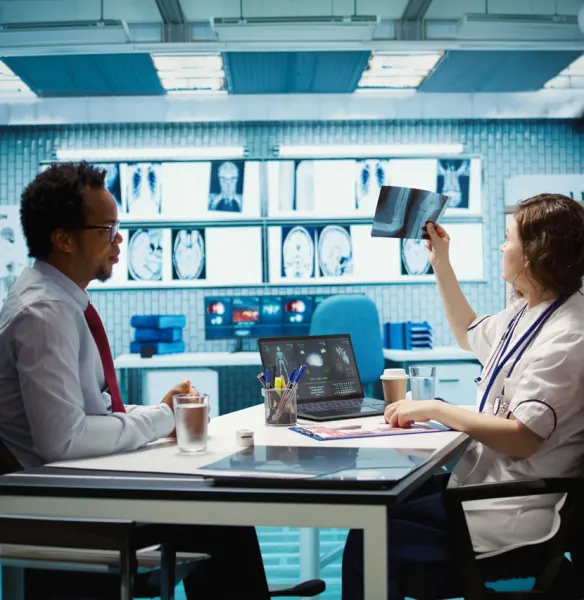
Yashoda Hospitals has launched an AI-enabled Head and Neck Oncology Clinic at its Hitech City unit, positioning the facility as a step toward more accurate and early detection of head and neck cancers.
Head and neck cancers account for nearly 30% of all cancer cases in the country, with experts estimating around 2.25 lakh new cases and about 1.25 lakh deaths each year.
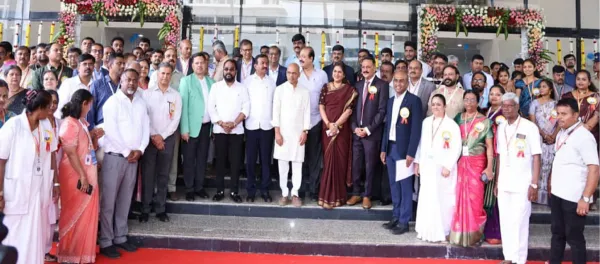
These figures were shared during a recent summit held at Yashoda Hospitals, Hyderabad, which brought together more than 500 oncology specialists from India and overseas to discuss evolving clinical practices, research advances and the role of digital tools in cancer care.
Against this backdrop, the newly launched AI-enabled clinic aims to integrate artificial intelligence with genetic and molecular profiling to design personalised treatment plans.
According to a hospital release, the AI-enabled clinic will help clinicians identify cancer at earlier stages and select treatment pathways tailored to the biological characteristics of individual tumours. These pathways may include robotic surgery, targeted therapies and immunotherapy, depending on patient-specific data.
Experts noted that lifestyle factors such as tobacco use, alcohol consumption and betel nut chewing continue to drive high rates of head and neck cancers in India. Late diagnosis remains a persistent challenge, often resulting in advanced disease at presentation and limited treatment options. Digital health tools and AI-enabled clinics are increasingly being viewed as a way to address gaps in early detection, clinical decision-making and care coordination.
Yashoda Hospitals managing director G. S. Rao said the launch marked a major step forward in personalised cancer care. He noted that integrating advanced technology into oncology practice would help improve diagnostic precision and treatment outcomes.
Globally, artificial intelligence is being adopted across oncology to assist with imaging analysis, risk stratification and treatment planning. In the Indian context, where patient volumes are high and specialist resources are unevenly distributed, AI-enabled clinics are seen as a potential equaliser, supporting clinicians with data-driven insights while maintaining clinical oversight.
Stay tuned for more such updates on Digital Health News
Follow us