Trump Signs Executive Order to Advance AI in Childhood Cancer Research

The order also provides an additional $50 million in research grants to accelerate the search for new treatments, according to a White House official.
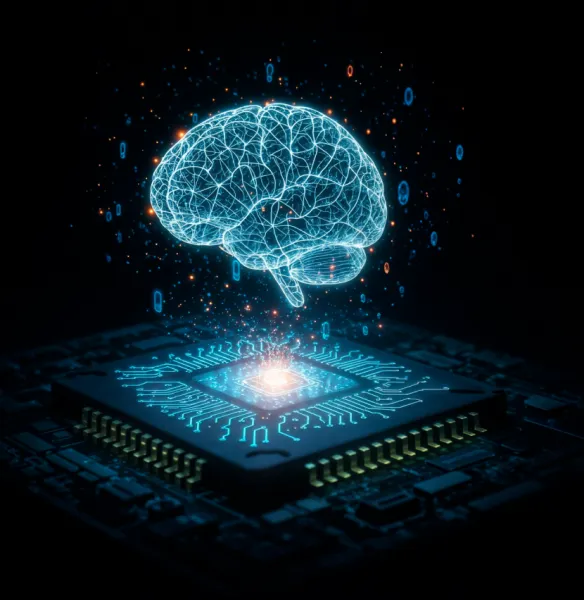
US President Donald Trump has signed an executive order aimed at advancing the use of artificial intelligence in childhood cancer research.
The order also provides an additional $50 million in research grants to accelerate the search for new treatments, according to a White House official.
The move builds on the National Cancer Institute's Childhood Cancer Data Initiative, a $500 million, 10-year program announced by Trump during his 2019 State of the Union Address. The initiative was created to expand the collection and sharing of data on childhood cancers.
“Pediatric cancer remains the leading cause of chronic disease-related deaths for children in the United States, and its incidence has increased by more than 40% since 1975,” said Michael Kratsios, director of the White House Office of Science and Technology Policy.
He added that the data gathered under the 2019 initiative now allows researchers to use AI to “improve clinical trials, sharpen diagnoses, fine-tune treatment, unlock cures and strengthen prevention strategies.”
According to the White House, the National Institutes of Health will double its investment with an additional $50 million to enhance the use of existing data, with further investments planned. The funds will support competitive research grants to attract leading scientific teams.
The announcement comes despite Trump’s 2026 budget proposal that sought to cut the National Cancer Institute budget by 37%. Those proposed cuts were not adopted in either the House or Senate versions of the 2026 budget, which are still under review.
Progress in AI for pediatric cancers has been slower compared to adult cancers, partly due to the diversity and rarity of pediatric conditions and ethical concerns related to data protection for young patients, according to a 2024 editorial in The Lancet.
Globally, around 400,000 children and adolescents up to age 19 are diagnosed with cancer each year, according to the World Health Organization.
Stay tuned for more such updates on Digital Health News
Follow us