Scientists Develop 3D Color Imaging Technique to Visualize Human Tissue & Blood Flow
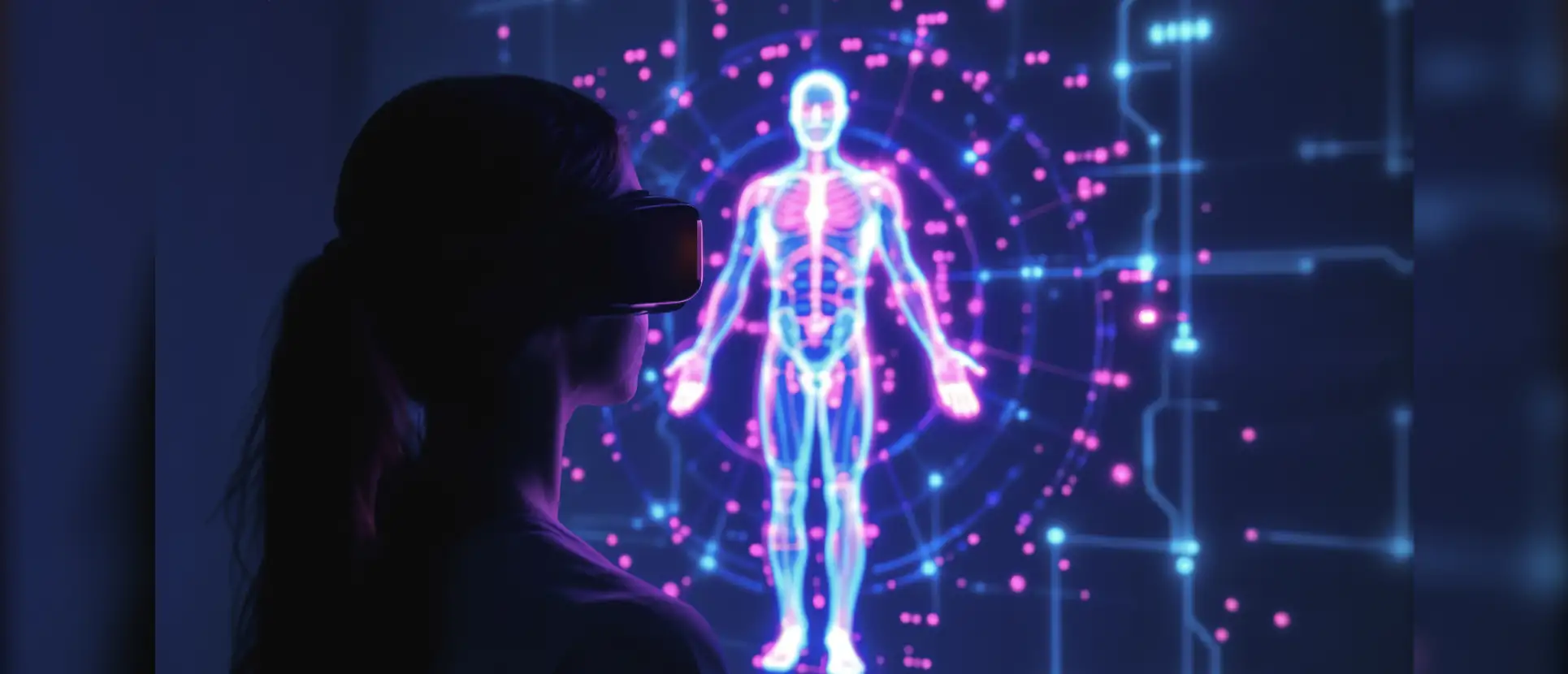
The method combines ultrasound imaging with photoacoustic tomography, offering a single approach to capture anatomical and functional information simultaneously.
Scientists from the California Institute of Technology (Caltech) and the University of Southern California (USC) have developed a new medical imaging technique that enables three-dimensional, full-color visualization of both soft tissue structure and blood-vessel function.
The method combines ultrasound imaging with photoacoustic tomography, offering a single approach to capture anatomical and functional information simultaneously.
The technique, known as RUS-PAT—short for rotational ultrasound tomography combined with photoacoustic tomography—has been described in a study published in Nature Biomedical Engineering. In early demonstrations, researchers successfully imaged multiple regions of the human body, including the head, breast, and extremities.
Ultrasound imaging is widely used in clinical settings due to its speed, low cost, and ability to visualize soft tissue. However, it typically produces two-dimensional images and provides limited information about blood flow or vascular function. Photoacoustic tomography addresses some of these gaps by using laser pulses to generate acoustic signals from light-absorbing molecules in blood vessels, allowing visualization of vascular function in optical color. On its own, however, photoacoustic imaging lacks sufficient structural detail.
RUS-PAT integrates both approaches to address these limitations. The system uses a small number of arc-shaped detectors that rotate around the body, functioning similarly to a full hemispheric detector while reducing complexity and cost. The same detectors are used to capture signals from both ultrasound and photoacoustic modalities, enabling quasi-simultaneous imaging.
According to the researchers, this design allows large-field-of-view imaging while maintaining high resolution. In clinical testing, the system demonstrated the ability to capture both tissue morphology and vascular activity in under one minute per scan.
The technique could have applications across multiple clinical areas. Potential use cases include improved breast tumor imaging, monitoring of nerve damage associated with diabetic neuropathy, and brain imaging that captures both structural details and blood flow. The system currently supports imaging at depths of up to four centimeters, with the possibility of accessing deeper tissues through endoscopic light delivery.
“The feasibility for human application has been demonstrated here in multiple contexts,” said Dr. Charles Y. Liu, a co-author of the study and professor at USC’s Keck School of Medicine.
The current RUS-PAT setup includes ultrasound transducers and laser components housed beneath a scanning bed. The technology has been tested on human volunteers and patients and remains in the early stages of translational development.
Stay tuned for more such updates on Digital Health News
Follow us