Remote Diagnostics: Devices Transforming Home Care
Remote diagnostics is reshaping healthcare delivery, particularly within home care settings. Through connected devices, digital platforms, and real-time data tracking, patients can now be monitored outside traditional clinical environments. This approach is increasingly used for individuals with chronic conditions, post-surgical recovery needs, and limited mobility, where continuous observation is essential.
Advancements in remote patient monitoring (RPM) technologies allow healthcare providers to collect and assess patient data without requiring frequent in-person visits. These systems support early detection of health changes and improve coordination between patients and care teams.
Evolution of Remote Diagnostics in Home Care
Remote diagnostics has progressed from basic teleconsultations to integrated monitoring systems. Earlier, patient assessments relied heavily on self-reported symptoms via phone or video consultations. With the introduction of connected medical devices, healthcare providers can now access objective and continuous health data.
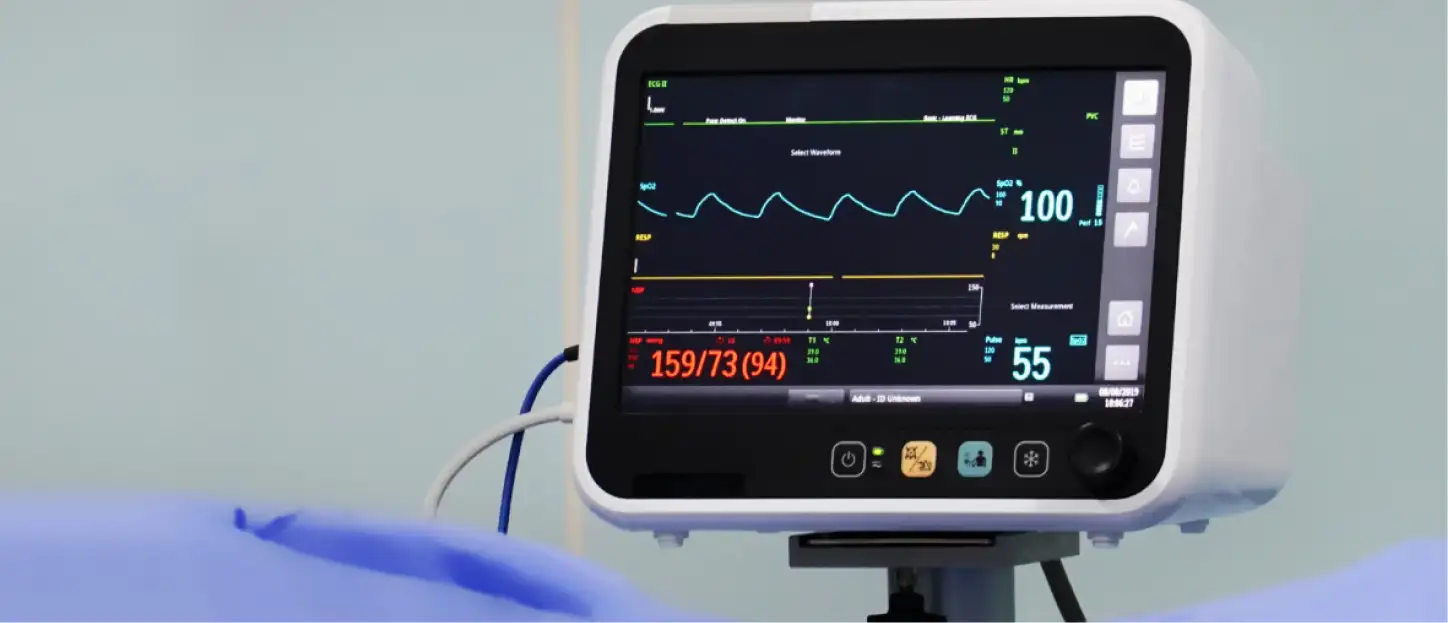
Modern systems combine wearable sensors, mobile applications, and cloud-based platforms to track vital signs such as heart rate, oxygen saturation, and blood pressure. This has enabled more accurate and timely assessments, especially for patients managing long-term conditions at home.
Healthcare institutions have begun integrating these systems into routine care. For instance, Mayo Clinic has implemented remote monitoring programs for patients with chronic illnesses, allowing clinicians to track vital parameters and intervene when abnormalities are detected. Similarly, Cleveland Clinic has used digital monitoring tools to support post-discharge care, reducing the need for repeated hospital visits.
A wide range of devices support remote diagnostics in home care. Wearables such as smartwatches and fitness trackers monitor activity levels, heart rate, and sleep patterns, offering continuous insights into overall health.
Medical-grade devices, including digital blood pressure monitors, glucometers, pulse oximeters, and portable ECG monitors, are widely used for condition-specific monitoring. These devices are often connected to applications that automatically transmit data to healthcare providers, minimizing manual input and reducing errors.
Advanced tools are also being introduced to expand the scope of home diagnostics. Portable imaging devices and AI-enabled sensors are increasingly used in certain care settings. For example, Mount Sinai Health System has explored remote monitoring solutions that combine wearable devices with data analytics to track patients with cardiovascular conditions, enabling continuous observation outside hospital environments.
Impact on Patient Care & Outcomes
Remote diagnostics supports early detection of health issues by continuously monitoring patient data. Healthcare providers can identify irregular patterns and respond before conditions worsen. This is particularly relevant for chronic disease management, including diabetes, hypertension, and respiratory disorders.
The use of monitoring devices also contributes to better treatment adherence. Patients are more likely to follow care plans when their health metrics are regularly tracked. Automated alerts and reminders help maintain consistency in medication schedules and lifestyle adjustments.
Hospitals have reported measurable impacts from these systems. At Johns Hopkins Medicine, remote patient monitoring has been used for managing patients with chronic conditions, helping reduce hospital readmissions by identifying early warning signs. These approaches also reduce the need for frequent in-person visits, easing pressure on healthcare facilities.
Challenges & Considerations in Implementation
The adoption of remote diagnostics involves several challenges. Data privacy and security are primary concerns, as patient information is transmitted across digital platforms. Healthcare providers must ensure compliance with regulatory standards to safeguard sensitive data.
Access to technology remains uneven. Limited internet connectivity and lack of access to smart devices can restrict the effectiveness of remote monitoring, particularly in rural or underserved regions. This creates gaps in the reach of home-based healthcare services.
Device usability and accuracy also require attention. Some patients may face difficulties in using medical devices correctly, which can affect data reliability. Addressing these issues requires clear instructions, accessible design, and technical support.
Future Outlook of Remote Diagnostics
The future of remote diagnostics is closely linked to developments in artificial intelligence and data analytics. These technologies can process large volumes of patient data and identify trends that support earlier and more precise interventions.
Improved integration with electronic health records (EHRs) is expected to enhance care coordination. Seamless data sharing between devices and healthcare systems can provide a more comprehensive view of patient health, enabling informed clinical decisions.
As healthcare systems continue to adapt to changing needs, remote diagnostics is likely to remain an important component of home care. Ongoing advancements in technology and infrastructure will influence how widely and effectively these systems are implemented.
Key Devices Enabling Remote Monitoring
Stay tuned for more such updates on Digital Health News
Follow us