



Metropolis Healthcare Plans 100 Diagnostic Mini-Hubs Over Three Years to Expand Diagnostic Access
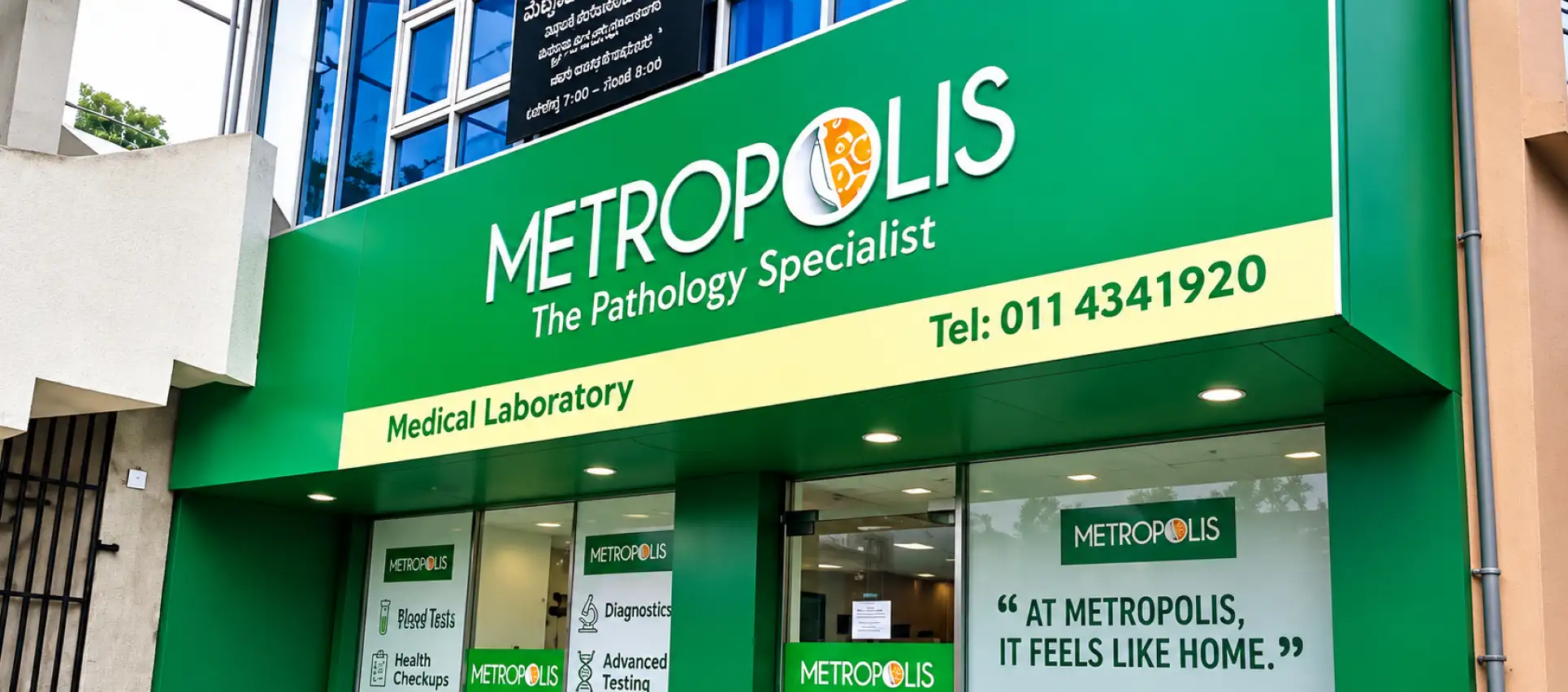
The proposed mini-hubs will integrate pathology, basic radiology and doctor consultations under one roof, bringing diagnostic services closer to patients, particularly in Tier II and Tier III markets.
Metropolis Healthcare has outlined plans to establish approximately 100 diagnostic mini-hubs over the next three years as part of its Metropolis 3.0 strategy.
The proposed mini-hubs will integrate pathology, basic radiology, and doctor consultations under one roof, bringing diagnostic services closer to patients, particularly in Tier II and Tier III markets.
Highlighting the expansion, Surendran Chemmenkotil, Managing Director, Metropolis Healthcare, said, "Advanced testing can become far more accessible in Tier II and Tier III markets without a specialised laboratory in every city. What it needs is a point of care close to the patient, with complex testing carried out at centres that have the right expertise and technology. We are also planning around 100 mini-hubs over the next three years to bring basic radiology, consultations and faster reporting within easy reach of patients."
He added that the company's approach centres on three elements, including a strong collection and logistics network, technology connecting patients, laboratories and clinicians, and deeper engagement with doctors in smaller markets.
The diagnostic group is also looking to expand its presence in high-end diagnostics, particularly across oncology, reproductive health, and rare and inherited disorders.
Its focus is on strengthening capabilities in molecular pathology, genetics, genetic counselling, and bioinformatics, supported by its genomics laboratories in Gurgaon and Mumbai
The company is also leveraging technology to improve diagnostic turnaround times.
According to Chemmenkotil, AI-assisted karyotyping has reduced reporting time from approximately 15 days to around seven days. He further stated that every report will continue to be reviewed by a qualified pathologist.
As part of its network expansion strategy, Metropolis is prioritising the utilisation of its existing laboratory infrastructure while increasing the reach of its collection network. The company currently operates across approximately 750 towns through 5,119 service points.
“Our priorities over the next two to three years are clear and measurable. We will take network density towards 35 collection centres for every laboratory, establish around 100 mini-hubs, add B2B partners faster with a sharper focus on specialty, and continue to expand beyond the metros. We also expect Specialty and Preventive Health to account for a larger share of our portfolio, supported by new tests in genomics and oncology,” Chemmenkotil said.
The diagnostic group is also planning to roll out a new CRM platform, a dynamic pricing engine and a sales app for our field teams, while strengthening integration with hospital partners to facilitate semaless connection with the system.
“AI is being scaled across customer engagement, laboratory operations, and quality, and our systems are being aligned with the Digital Personal Data Protection framework,” Chemmenkotil added.
Through its Metropolis 3.0 strategy, the company is focusing on diagnostic network expansion, specialty testing, technology integration and operational efficiency, with plans to increase the contribution of specialty and preventive health services to its overall portfolio.
Stay tuned for more such updates on Digital Health News
Follow us