India Takes Major Steps to Include AI-Based Diagnostic Tools in Healthcare
Experts like Dr. Jitendra Sharma of AMTZ and MTaI Chairman Pavan Choudary emphasize that AI tools can significantly improve diagnostic accuracy and accessibility, particularly in regions lacking specialist doctors.
India is accelerating the adoption of AI-driven diagnostic tools as part of a broader national push to modernize clinical workflows, strengthen early disease detection and improve accessibility across underserved regions.
The shift comes amid rising interest from policymakers, hospitals and research organizations exploring how artificial intelligence can help reduce diagnostic delays and enhance medical accuracy.
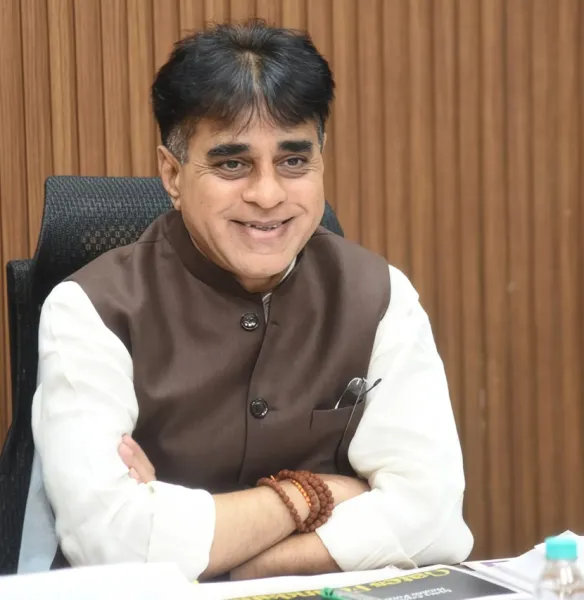
Speaking at a recent discussion on AI’s role in healthcare, Dr. Jitendra Sharma, Managing Director & CEO of AMTZ (Andhra Pradesh MedTech Zone), highlighted the transformative potential of AI-based diagnostics in India’s current healthcare landscape.
Dr. Sharma said, “AI will not replace clinicians, but it will empower them to diagnose faster and more accurately, especially in settings where specialists are not readily available,”
The adoption of AI-based diagnostic technologies has seen significant momentum across radiology, pathology and preventive care programs.
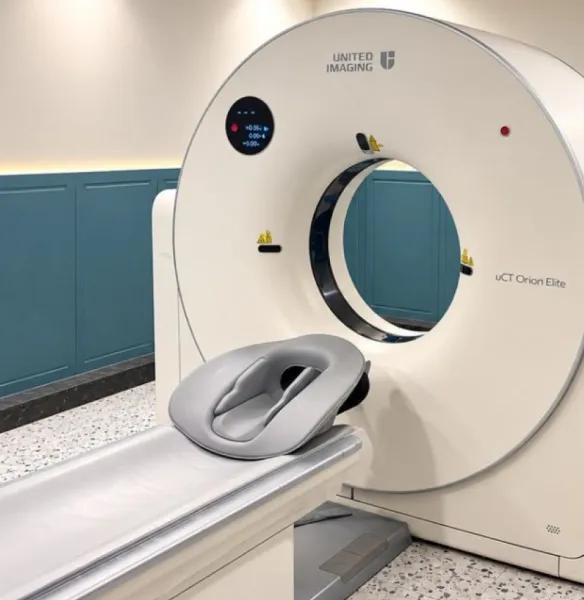
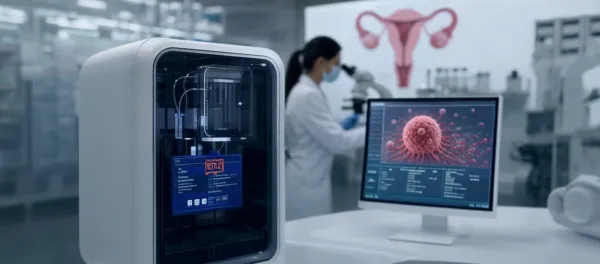
Hospitals are increasingly deploying AI models capable of analyzing X-rays, CT scans, retinal images and histopathology slides, assisting clinicians by identifying risk patterns and flagging abnormalities earlier than conventional workflows.
Industry figures, including Pavan Choudary, Chairman of the Medical Technology Association of India (MTaI), have welcomed these advancements. Choudary stated that AI offers meaningful support to clinicians by reducing repetitive workload and improving interpretation accuracy.
He also highlighted the need for strong regulatory pathways and quality frameworks to ensure safe deployment across India’s diverse healthcare settings.
Researchers and innovators working with government agencies believe AI presents an opportunity to bring standardized, high-quality diagnostics to remote districts.
With the Ministry of Health encouraging broader digital transformation across clinical workflows, AI-driven diagnostics are increasingly viewed as essential components of India’s future healthcare model.
Looking ahead, India is expected to expand validation studies, strengthen data governance frameworks and promote collaboration between hospitals, technology partners and regulatory bodies.
Stay tuned for more such updates on Digital Health News
Follow us