India Can Drive Inclusive AI for the World, Says UNDP, Highlighting its Growing Digital Health Strength
India is in a strong position to push global progress on inclusive Artificial Intelligence, particularly in digital health, according to a new UNDP report that warns inequality could deepen if AI access and benefits are not broadened.
India’s digital health systems, public digital platforms, and expanding AI research ecosystem are seen as major advantages as countries navigate an AI shift that could either close or widen global development gaps.
The report notes that without deliberate policy action, AI could amplify differences in income and opportunity, but India has the scale and infrastructure to demonstrate how the technology can serve the public good.
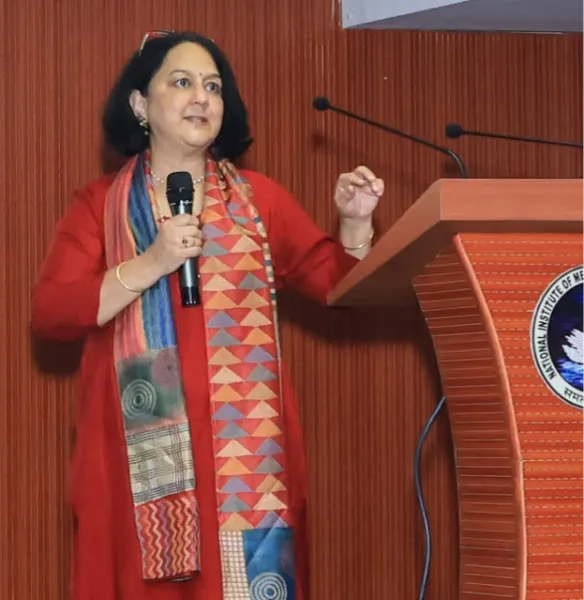
“India’s digital strengths give it a head start in building an AI future that works for everyone. AI is already strengthening public health and supporting better services. The real test is ensuring these gains reach every community,” said Dr Angela Lusigi, Resident Representative, UNDP India.
She emphasised that expanding access will be crucial. “The choices we make now will determine whether AI narrows gaps or widens them. India can lead by ensuring its benefits reach rural communities, women, and young people, not only those already connected.”
The report highlights India as a country capable of showing how safe, inclusive, and people-first AI systems can scale, particularly in sectors like healthcare, where AI is increasingly used for tasks such as chest X-ray screening for tuberculosis.
India is in a strong position to push global progress on inclusive Artificial Intelligence, particularly in digital health, according to a new UNDP report that warns inequality could deepen if AI access and benefits are not broadened.
It calls “for India to continue leading on people-first AI, focusing on transparency, equitable access, and participation of marginalised communities in designing AI systems”.
With the right regulatory and policy frameworks, the report adds, India can guide the broader region toward an AI future aligned with the Sustainable Development Goals.
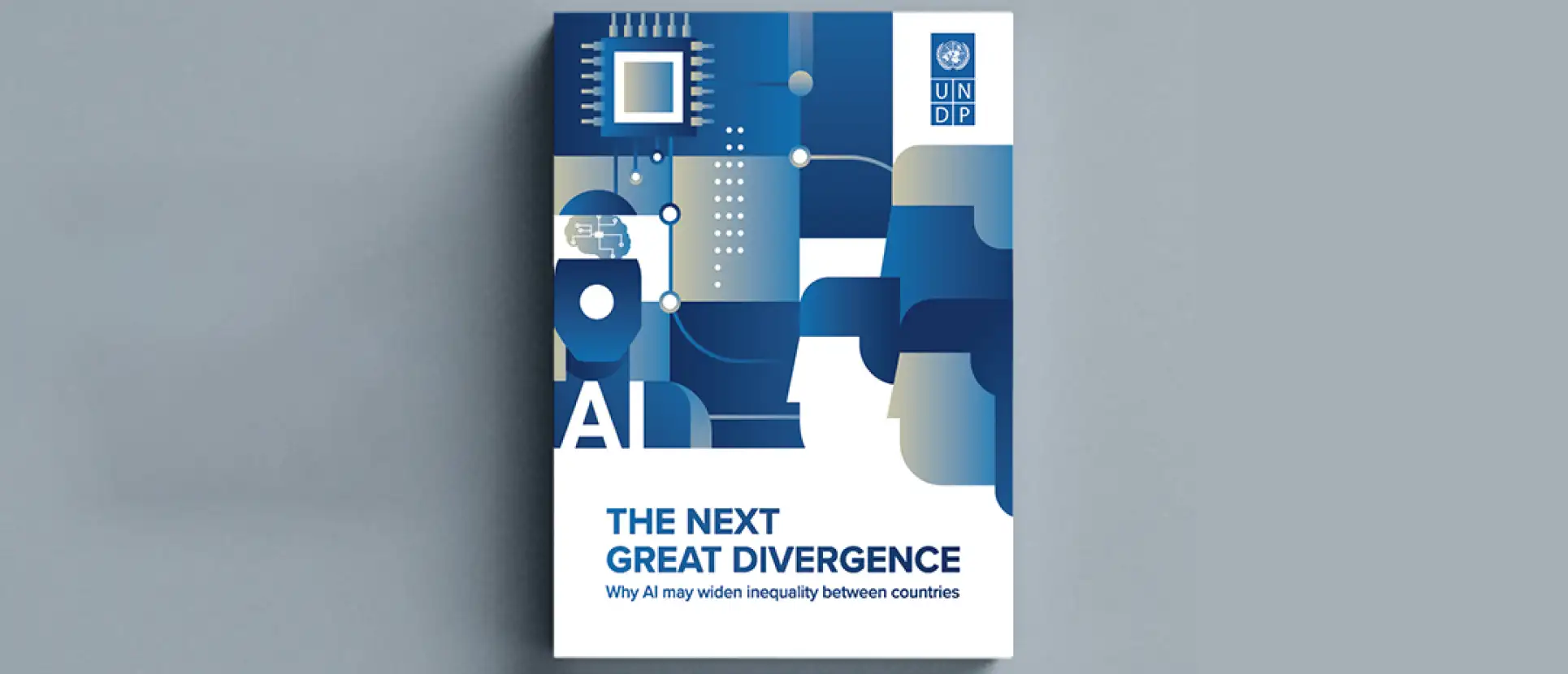
Titled 'The Next Great Divergence: Why AI May Widen Inequality Between Countries', the UNDP report stresses that while AI offers enormous development potential, the starting point for nations varies widely.
Asia and the Pacific, home to over half of the world's population, sits at the centre of this transition, driving innovation momentum and hosting more than half of global AI users. The region’s AI-driven economic impact could be significant, with gains projected across healthcare, finance, and public administration.
Examples such as Singapore’s Moments of Life service, which cuts administrative time for new parents from two hours to 15 minutes, illustrate how AI can streamline public services.
“The central fault line in the AI era is capability,” said Philip Schellekens, UNDP Chief Economist for Asia and the Pacific. “Countries that invest in skills, computing power and sound governance systems will benefit; others risk being left far behind.” The report ultimately argues for turning this risk into a pathway for shared global progress.
Stay tuned for more such updates on Digital Health News
Follow us