IIT Kanpur Researchers Develop Biosensor to Track Drug Activation of Key Receptors
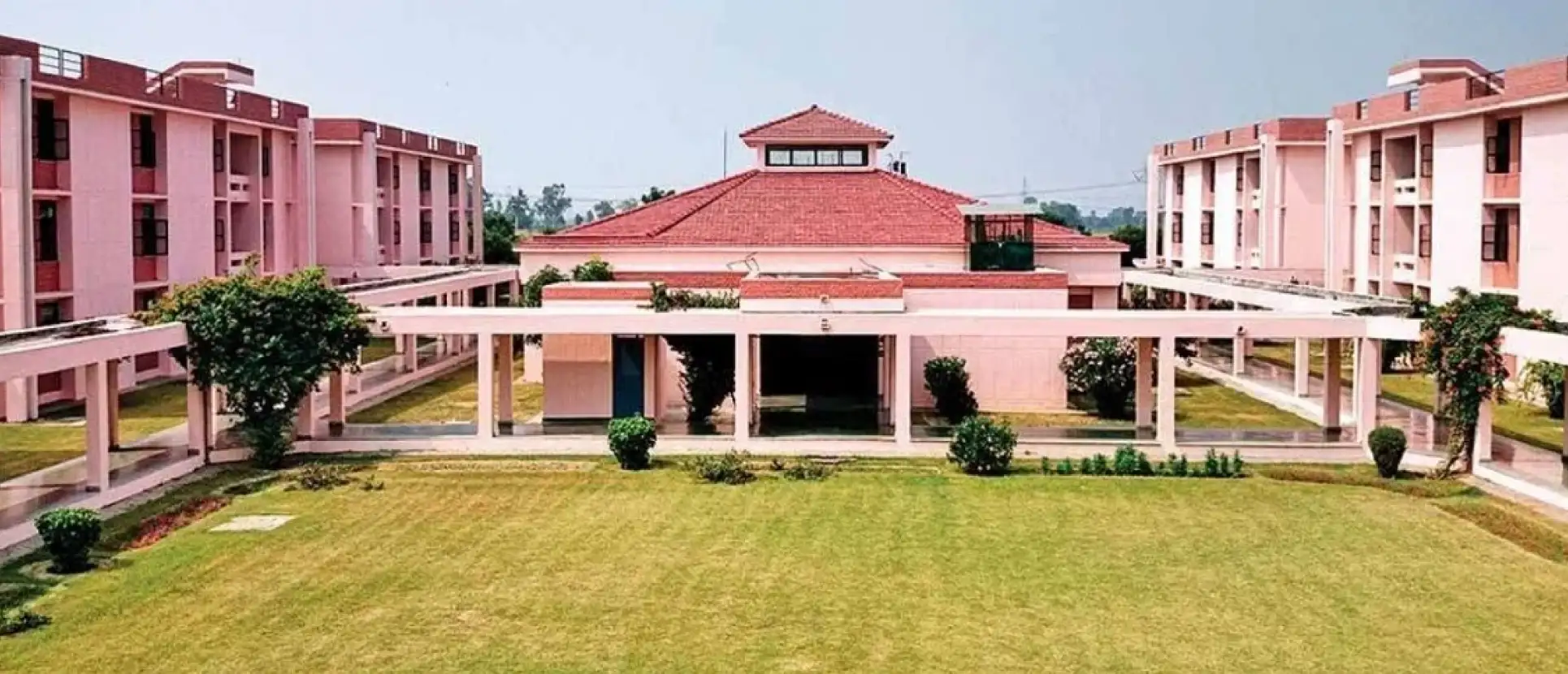
GPCRs represent the largest family of receptor proteins in human cells and are targeted by more than one-third of all clinically prescribed medicines.
Researchers at the Indian Institute of Technology Kanpur (IIT Kanpur) have developed an antibody-based biosensor capable of monitoring the activation of G protein-coupled receptors (GPCRs) in live cells.
GPCRs represent the largest family of receptor proteins in human cells and are targeted by more than one-third of all clinically prescribed medicines.
The study, led by Prof. Arun K. Shukla, addresses a long-standing challenge in studying GPCR activations in real time. These receptors remain inactive until triggered by signals such as light, hormones, or small molecules, initiating a process called signal transduction. While central to human physiology, observing this activation in live cells has remained technically difficult.
To overcome this, the IIT Kanpur team engineered a nanobody-based sensor that binds to GPCRs only when they are activated and in association with arrestins. Once activated by their ligands, the receptors bring the nanobody into proximity, triggering an enzymatic reaction that produces a measurable luminescence signal.
“The beauty of this biosensor is that it does not require any modification of GPCRs, and still, it can report their activation by ligands. This opens up possibilities for imaging these receptors in disease contexts,” said Prof. Arun K. Shukla, Professor, IIT Kanpur, who led the study.
Highlighting its applications, Annu Dalal, Ph.D. student at IIT Kanpur and one of the lead authors, said, “The versatility of this sensor allows us to monitor the localization of GPCRs in different sub-cellular compartments, which in turn tells us about their downstream signalling mechanisms. This is an important development in understanding GPCR signalling for novel drug discovery.”
The project was conducted in collaboration with Prof. Josef Lazar’s laboratory at the Institute of Organic Chemistry and Biochemistry, Czech Academy of Sciences, Prague. It was supported by an Indo-Czech joint research initiative funded by the Department of Science and Technology (DST), Government of India.
The findings have been published in the peer-reviewed journal Proceedings of the National Academy of Sciences (PNAS), USA.
Stay tuned for more such updates on Digital Health News
Follow us